




Stepwise Answers and PDF for Class 7 English Chapter 3 Three Days to See
Factual Section: NCERT Solutions Class 7 English Chapter 3 Three Days to See (2026-27)
Let Us Do These Activities Before We Read. (Page 28)
I. Work in pairs. Recall a visit to a place that you liked. Discuss the details of that place and write about the following:
Question 1. Name of the place:
Answer: Qutub Minar.
Question 2. The Person(s) you went with
Answer: Family.
Question 3. The things that you could:
See
listen
smell
taste
touch and feel.
Answer: At the Qutub Minar – Using My Five Senses
See: The towering Qutub Minar, its intricate carvings, and the lush green gardens surrounding it.
Listen: Echoes of footsteps, birds chirping, and tour guides explaining the history to visitors.
Smell: The freshness of the grass and the earthy scent of ancient stone.
Taste: Snacks from local vendors, such as warm roasted peanuts.
Touch and Feel: The cool surface of the monument’s stones and the soft texture of the grass under my feet.
II. How does this memory make you feel?
Answer: I felt a sense of awe and calmness. I loved discovering the history of the place while enjoying special moments with my family.
III. Do you think your visit/experience would be different if you could not see or hear? Share your answers with your classmates and the teacher.
Did you know that our five senses are essential for us to experience and make sense of the world around us?
Answer:Yes, without sight, I would have had to depend more on touch and sound to explore the monument. Without hearing, I would have missed the interesting stories told by the guides.
This experience makes me realise how important our five senses are—they help us fully enjoy and understand the world around us.
Three Days to See Class 7 Question Answer – Let us discuss (Pages 31-32)
I. Work in pairs. Identify the statements that are true from the ones given below. Share your answers with the teacher.
Question 1. The author expresses a deep longing to experience the world through the sense of hearing.
Answer:
False:
The author expresses a deep longing to experience the world through the sense of sight, rather than through hearing.
Question 2. The author would like exploring the city only to observe how people are suffering.
Answer:
False: The author explores the city to observe different aspects of people’s lives—such as their smiles, determination, and struggles—not just their suffering.
Question 3. The author would spend the first day seeing the people whose kind-heartedness and friendship have enriched her life.
Answer:
True:
The author clearly states that she would spend her first day seeing the people whose kindness and companionship have made her life meaningful.
Question 4. The author acknowledges that even in three days, she would not be able to see everything.
Answer:
True:
The author admits that even with three days, she would still not be able to see everything she wished to.
Question 5. The author feels that everyone can find the greatest joy merely by the sensg of touch.
Answer:
False:
Although the author finds pleasure in the sense of touch, she believes that sight must be the most wonderful and enjoyable of all the senses.
Question 6. The author advises those who can see to appreciate every moment as if they might lose their senses tomorrow.
Answer:
True:
The author urges those who can see to value every moment, as if their senses might be taken away the next day.
Question 7. On the third day, the author would like to observe people in their daily lives and understand their experiences.
Answer:
True:
On the third day, the author watches people as they go about their daily lives to better understand their experiences.
II. Complete the table given below with what Helen Keller wanted to do on the three days if she had sight.
Answer:
III. The author says that you need eyes to be able to ‘see’ the true self of a person. Therefore, she refers to the eye as ‘window of the soul’. How is the narrator able to understand the feelings of a person?
Answer: The narrator, though unable to see, understands a person’s emotions through her sense of touch. By gently feeling the contours of a face, she can sense feelings such as happiness, sadness, or worry. This tactile awareness helps her interpret expressions and gain meaningful insights about others. Her heightened sensitivity shows that true understanding can go beyond sight.
Class 7 English Three Days to See Question Answer – Let us think and reflect (Pages 32-33)
I. Read the extracts given below and answer the questions that follow.
Question 1. I feel the delicate symmetry of a leaf. I pass my hands lovingly about the smooth skin of a silver birch, or the rough, shaggy bark of a pine. In spring, I touch the branches of trees hopefully in search of a bud, the first sign of awakening Nature after her winter’s sleep. Occasionally, I am very fortunate; I place my hand gently on a small tree and feel the happy quiver of a bird in full song.
(i) What does the ‘delicate symmetry of a leaf symbolise?
Answer: The delicate symmetry of a leaf represents harmony, balance, and the intricate beauty found in nature.
(ii) List two phrases from the extract that describe the texture of objects in nature.
Answer: The textures of natural objects are described as:
“The smooth surface of a silver birch.”
“The coarse, rugged bark of a pine tree.”
(iii) Complete the sentence appropriately.
The phrase ‘awakening Nature after her winter’s sleep’ refers to _________.
Answer: The phrase refers to the onset of spring, when nature awakens and becomes lively again after the cold winter.
(iv) What is the tone of the writer in this extract?
A. nostalgic
B. proud
C. admiring
D. celebratory
Answer: Admiring.
Question 2. The next day I should arise with the dawn and see the thrilling miracle by which night is transformed into day. I should behold with awe the magnificent panorama of light with which the sun awakens the sleeping earth. This day I should devote to a hasty glimpse of the world, past and present. I should want to see the pageant of man’s progress, and so I should go to the museums.
(i) The word ‘thrilling’ has been used with ‘miracle’.
Which of the following words does not match with the word “thrilling’?
A. experience
B. tale
C. knowledge
D. adventure
Answer: C. Knowledge
(ii) Why does the writer refer to the earth as ‘sleeping earth’?
Answer: The writer calls the earth a “sleeping earth” to represent its quiet, inactive state before dawn brings it back to life and activity.
(iii) Complete the sentence with an appropriate reason.
The writer wishes to dedicate the day to a brief look at the present and past world because _________.
Answer: The writer wants to spend the day taking a quick look at both the present and the past because it allows her to observe human progress and understand the history of the earth.
(iv) Why does the writer use ‘should’ multiple times in the extract?
Answer: The writer repeats the word “should” throughout the extract to express intention, possibility, and what she ideally hopes to do.
II. Answer the following questions.
Question 1. The sense of touch makes up for the loss of sight and hearing. Explain this statement with reference to the text.
Answer: The sense of touch makes up for the loss of sight and hearing by enabling the writer to feel textures, shapes, and emotions through physical contact, helping her form a deeper connection with the world.
Question 2. Why does the author believe that the sense of sight is the most wonderful?
Answer: The author considers sight the most wonderful sense because it reveals the beauty, variety, and vivid colours of life—things she cannot experience in any other way.
Question 3. How might the author’s opinion on making the most of our senses guide us to be kinder towards people with special abilities?
Answer: The author’s viewpoint inspires empathy and encourages people to appreciate their own senses, promoting a kinder and more understanding attitude toward those with special abilities.
Question 4. What is the significance of imagining the loss of a sense, according to the author?
Answer: Imagining life without a sense helps people value their abilities more and encourages them to enjoy their sensory experiences to the fullest.
Question 5. How does the author encourage people to approach their everyday sensory experiences?
Answer: The author encourages people to make full use of their senses and appreciate the everyday beauty and joy that these senses bring.
Question 6. What do the author’s choices for the three days tell us about her values and priorities?
Answer: The author’s choices show her strong appreciation for relationships, nature’s beauty, human progress, and the daily lives of people, reflecting her values of gratitude and curiosity.
Three Days to See Class 7 Questions and Answers – Let us learn (Pages 34-35)
I. Sensory words are descriptive — they describe how we experience the world: how we see, hear, smell, taste or feel something.
Complete the following table with sensory words from the text in Column 2 for the five senses in Column 1. Add new words in Column 3.
Answer:
II. Read the following sentences from the text and underline the verbs.
I should divide the period into three parts.
On the fist day, I should want to see…
The next day I should arise with the dawn…
I should behold with awe…
The words you have underlined are a combination of two verbs. In each of these sentences, ‘should’ is the modal verb (suggestion), and the second verb (divide, want, arise, behold) is the main verb.
Modal verbs are helping (auxiliary) verbs that express the mood, possibility, necessity, ability, permission or obligation of the main verb.
They are used with the base form of the main verb (without ‘to’).
Some common modal verbs are: can (abili-ty/permission), could (polite request), may (permission/possibility), might (possibility), shall (suggestion/future), should (advice/ obligation), will (future/promise), must (necessity/strong obligation).
Answer:
the should divide period into three parts.
On the first day, I should want to see…
The next day I should arise with the dawn…
I should behold with awe…
The underlined verbs are a combination of two verbs. In all the above sentences ‘should’ is the modal verb (suggestion), and the second verb (divide, want, arrive and behold) is the second verb.
GOLDEN GRAMMAR TIPS
Modal verbs are helping (auxiliary) verbs that express the mood, possibility, necessity, ability, permission or obligation of the main verb.
They are used with the base form of the main verb (without ‘to’).
Some common modal verbs are: can (ability/permission), could (polite request), may (permission / possibility), might (possibility), shall (suggestion / future), should (advice / obligation), will (future / promise), must (necessity/strong obligation).
III. Identify the modal verbs in the following sentences. Choose the functions they express from those given in the box below.
1. You can learn a lot from this experience.
2. They might arrive late due to traffic.
3. She must finish her homework before dinner.
4. They ought to apologise for their mistake.
5. He would like to have some lassi, please.
Answer:
The functions they express are:
1. can – Ability
2. might – Possibility
3. must – Necessity
4. ought – Moral obligation
5. would – Polite request
IV. Read the situations in Column 1 and functions in Column 2. Fill in the blanks in the sentences in Column 4 with appropriate modal verbs from Column 3. After filling in the blanks, explain the function of each modal verb you used to your classmates and the teacher.
Answer:
Explanation:
May – used to give permission.
Must – expresses obligation or something that is required.
Should – used to offer advice or make a recommendation.
May – can also indicate a strong possibility.
Would – commonly used to make polite requests.
Ought to – used to give strong advice or express what is the right thing to do.
Can – used to show ability.
Three Days to See Question Answer Class 7 – Let us listen (Page 36)
You will listen to a conversation between a mother and son. As you listen, select four true statements from 1-7 given below. (Transcript for the teacher on NCERT textbook page. 41)
table-3
Answer:
True – Reason: Anuj wants to understand what a screen reader is and how it helps blind people.
False – Reason: Anuj’s mother is confident that the school has facilities to support visually impaired students.
True – Reason: Anuj says that Digital India is about becoming computer literate.
True – Reason: Anuj’s mother explains to him what assistive technologies are.
False – Reason: Anuj did not know that visually impaired individuals can use computers until his mother told him.
False – Reason: It is Anuj’s mother who explains assistive technologies when he asks about Digital India.
True – Reason: The mother believes that computers can greatly improve the quality of life for visually impaired people.
Class 7 English Chapter 3 Question Answer – Let us Speak (Pages 36-37)
Work in pairs. Take turns to speak for a minute on any one of the senses you value the most.
Use the given prompts to frame your response before you speak.
I value my sense of sight/sound/ touch/smell/taste the most because…
One of my favourite experiences is…
This is so because…
I appreciate being able to see/hear/ touch / smell / taste…
God forbid, if I were to lose the sense of sight/sound/touch/smell/taste, it would make me feel…
I would not be able to…
I thank God that I am able to see/ hear / touch / smell / taste.
Remember to
speak clearly and confidently
glance at your notes for reference rather than reading
make eye contact
use gestures if you wish to
pronounce words clearly and avoid mumbling
speak at a steady, moderate pace
Answer:
I value my sense of sight the most because it lets me experience the beauty of the world—the vibrant colours of flowers, the sparkle of sunlight on water, and the warm smiles of the people I love. One of my favourite moments is watching the sunrise from a hilltop, when the sky transforms into shades of orange, pink, and gold, filling me with peace and hope. I also cherish seeing the faces of my family and friends, as their expressions reveal their feelings without a single word.
If I were ever to lose my sight, I would feel frightened and limited because I would no longer be able to enjoy books, paintings, or the wonders of nature. I would struggle to see my surroundings and would have to depend more on my other senses.
I am truly grateful to God for my ability to see the beautiful things life offers, and I treasure every moment that my eyes allow me to experience the world.
NCERT Class 7 English Poorvi Chapter 3 Question Answer – Let us write (Page 37)
A descriptive paragraph describes a person, place, object or event to create a memorable experience for the reader. Write a descriptive paragraph describing a place that you visited recently.
Follow the guidelines given below to draft this paragraph.
1. In the opening line, begin with something interesting to capture the reader’s attention. Introduce the place you visited.
2. In the supporting lines, describe the place using adjectives and specific details that appealed to your five senses—sight, sound, smell, taste, and touch. You may include alliterations, similes, and personifications to hold the reader’s attention.
3. In the concluding lines, summarise the description to provide a final impression. Mention what was the most important thing about that place which others should also experience.
Answer: During my last vacation, I visited a beautiful hill station. Tall green pine trees surrounded me, swaying gently in the breeze as if they were whispering to one another. The fresh air carried the scent of pine and wildflowers, filling me with peace and happiness. I could hear the soft gurgling of a nearby stream and the cheerful chirping of birds hidden among the trees. The warm sunlight felt comforting on my skin, while the stone pathway beneath my feet felt cool and refreshing.
At a small café, I tasted buttery croissants that were so soft and delicious they almost melted in my mouth. Later, I stood atop a hill and watched the sunset paint the sky in shades of red, orange, and pink. It was a magical and calming moment that made me feel completely relaxed.
The best thing about the hill station is how quiet and peaceful it is. It’s the perfect place for anyone who wants to connect with nature and escape the noise of the city.
Class 7th English Chapter 3 Day the River Spoke Question Answer – Let us Explore (Pages 37-38)
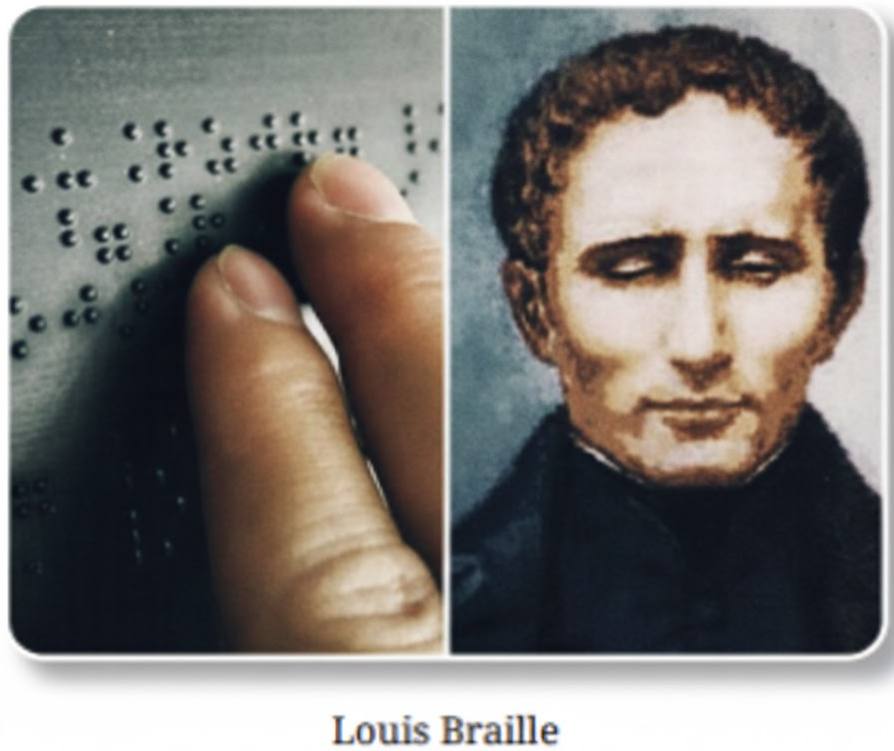
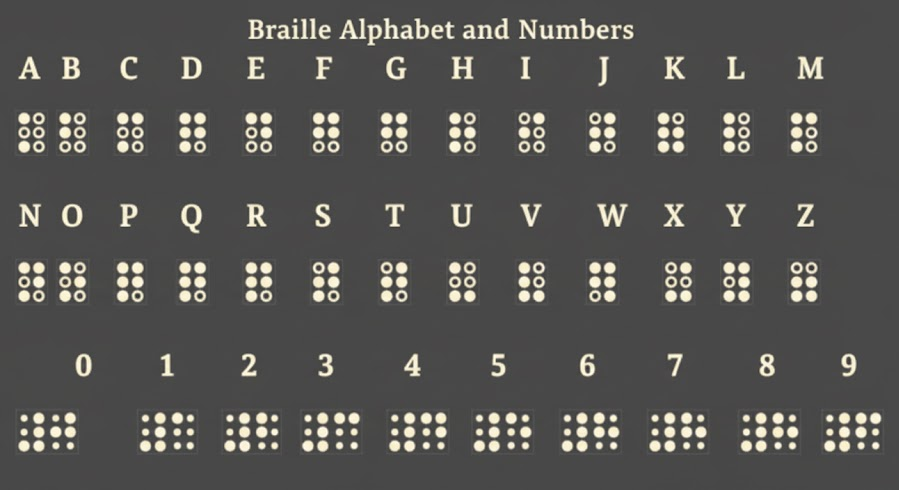
I. Do you know how persons with visual challenges are able to read and write? They read through touch with the help of Braille, a code of raised dots that represents the letters of the alphabet. This tactile code was developed over a period of nine years by Louis Braille, who became blind at a very young age due to an accident.
Answer: Students to do as directed in the question.
II. Have you heard about the International Day of Persons with Disabilities? Find out when and how it is observed in India. Write your findings on a sheet and put it up on the class board.
Answer: The International Day of Persons with Disabilities (IDPD) is celebrated every year on December 3rd to raise awareness and promote the rights and inclusion of people with disabilities. In India, the day is observed through initiatives such as the Accessible India Campaign, which works to make public spaces and services more accessible, and the Deendayal Divyangjan Rehabilitation Scheme, which focuses on rehabilitation and creating opportunities. The day highlights the importance of inclusion and recognises the valuable contributions of persons with disabilities.
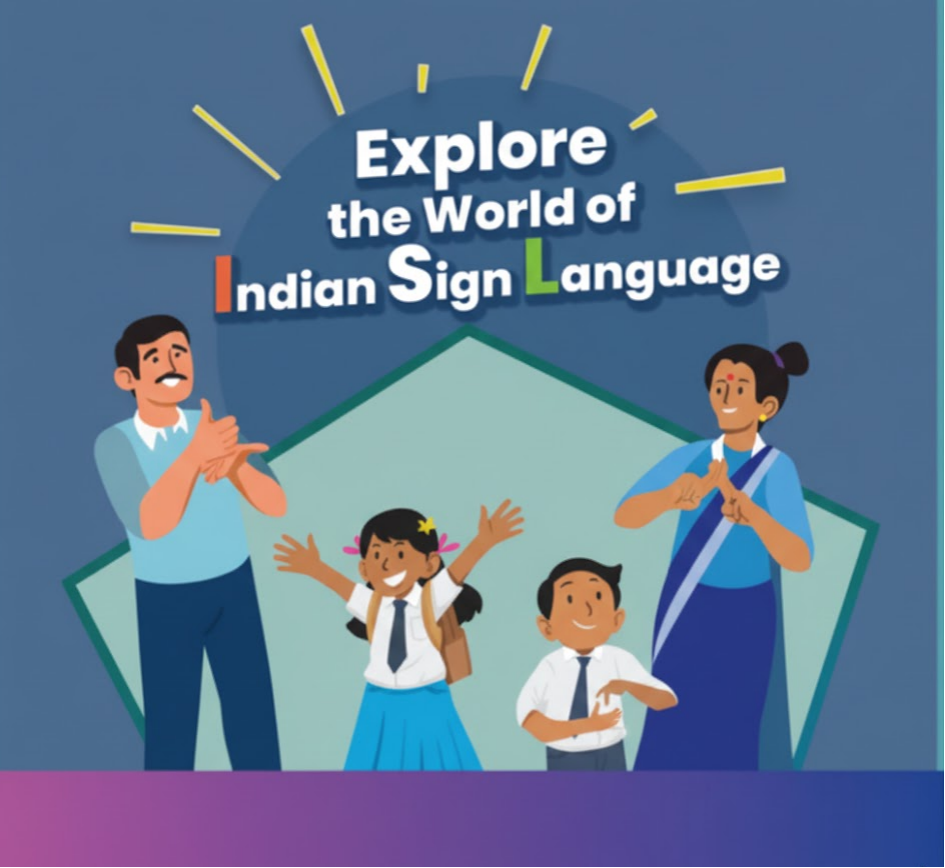
III. Do you want to know about sign language? Go to the link given below to learn about the Indian sign language.
https://ncert.nic.in/pdf/accessibility/ISL_200word_v15.pdf
Answer: Students to follow instructions given in the question and do themselves.
NCERT Solutions Class 7 English Chapter 3 Three Days to See – Key Insights
Exploring NCERT Solutions Class 7 English Chapter 3 Three Days to See inspires students to value the world around them. This chapter encourages readers to open their eyes to everyday beauty and to make the most of their senses.
By practicing with NCERT solutions for Class 7 English Chapter 3, you can develop a deeper appreciation for thoughtful observation—a key skill for exams and life. Remember to express what moves you most while answering questions.
Stay curious and reflect on Helen Keller’s message as you prepare. Consistent reading and practicing these questions will strengthen comprehension and help you score well in the NCERT Class 7 English exam for 2026-27.
FAQs on NCERT Solutions For Class 7 English Chapter 3 Three Days To See - 2026-27 Free PDF Download (Login Required)
1. What are NCERT Solutions for Class 7 English Chapter 3: Three Days to See?
NCERT Solutions for Class 7 English Chapter 3: Three Days to See provide step-by-step answers to all textbook questions, helping students master every exercise for CBSE 2026–27.
Key features:
- Covers short and long answer questions with clear explanations
- Includes word meanings, definitions, and summaries
- Aligns with the latest CBSE marking scheme
- Helps students practise and revise efficiently
2. How can I write step-by-step answers for full marks in Class 7 English Chapter 3?
To get full marks in Class 7 English Chapter 3, structure your answers according to CBSE guidelines:
Tips for full marks:
- Read the question carefully and address all parts
- Start with a direct answer, followed by supporting details
- Use proper paragraphs for long answers and bullet points where suitable
- Include relevant definitions, examples, and keywords
- Maintain neat handwriting and proper grammar
3. Is a PDF download of Three Days to See Class 7 NCERT Solutions available?
Yes, a free PDF download of NCERT Solutions for Class 7 English Chapter 3 is available for offline study.
Advantages:
- Quick revision before exams
- Access solutions without internet
- Print or use on any device for flexible learning
4. What is the summary of Class 7 English Chapter 3 Three Days to See?
The summary of Chapter 3 Three Days to See highlights Helen Keller's thoughts on how she would spend three days if she could see.
Main points:
- Helen Keller imagines how she would use each day to appreciate the world
- She emphasizes the importance of valuing our senses
- The chapter inspires gratitude and awareness of nature, friends, and experiences
5. Which questions from Three Days to See are most likely to be asked in exams?
Exam questions from Chapter 3 commonly focus on key themes and values.
Frequently asked types:
- Short answer questions on Helen Keller’s wishes and experiences
- Long answer questions about the message of the lesson
- Vocabulary and word meaning questions
- Summary writing or main idea identification
6. Are definitions or diagrams required in Class 7 English Chapter 3 answers?
For Three Days to See, writing clear definitions for new words is important, but diagrams are not required.
Suggestions:
- Always define important terms mentioned in the chapter
- Use examples from the text to explain meanings
- No diagrams or map labelling are included for this chapter
7. How should I structure long answers in Class 7 English to score better?
To score well in long answers for Class 7 English, follow this structure:
Answer structure:
- Begin with an introduction stating the main idea
- Write 2-3 supporting paragraphs covering details, examples, and explanations
- End with a brief conclusion that reinforces your answer
- Highlight key points with bullet lists if needed
8. Are NCERT Solutions enough for Class 7 English exam preparation?
NCERT Solutions are excellent for building exam readiness as they provide reliable, syllabus-based answers.
Why they help:
- Cover all important questions as per CBSE syllabus
- Help understand how to structure and present answers
- Improve confidence and concept clarity for exams
9. Where can I find chapterwise NCERT Solutions for Class 7 English?
You can find chapterwise NCERT Solutions for Class 7 English on trusted educational websites and in downloadable PDF format.
Benefits:
- Easy access to stepwise answers for all chapters
- Helpful for systematic revision and practice
10. What are common mistakes to avoid in Class 7 English Chapter 3 answers?
To avoid losing marks in Chapter 3 answers, steer clear of these mistakes:
Common mistakes:
- Leaving out key points or summary details
- Writing vague or off-topic responses
- Ignoring word meanings and definitions
- Lack of structure in long answers
- Handwriting or grammar errors
11. Do examiners award partial marks for correct steps even if the final answer is wrong?
Yes, CBSE examiners often award partial marks if the steps and core concepts are correct, even if the final answer has minor mistakes.
Tips to maximize marks:
- Show clear steps and reasoning in your answers
- Always explain your approach, especially for descriptive questions
12. What are the most important topics in Class 7 English Chapter 3?
The most important topics in Chapter 3 Three Days to See include:
- Helen Keller’s wishes and how she would use three days of sight
- The lesson’s moral about valuing our senses and appreciating life
- Key vocabulary, character traits, and chapter summary
