








What are the Types and Biological Importance of Carbohydrates for NEET?
Carbohydrates are among the most fundamental biomolecules in Biology and form a core part of NEET exam preparation. They act as the main source of energy for living organisms, play structural and storage roles, and are frequently asked about in NEET questions. Understanding the structure, types, and functions of carbohydrates helps students master essential biochemistry and cell biology concepts essential for competitive medical entrance exams like NEET.
What are Carbohydrates? - Simple Definition and Meaning
Carbohydrates are organic compounds made up of carbon, hydrogen, and oxygen, usually in the ratio of 1:2:1. They are one of the primary food groups and are crucial for providing energy to the body. In biology, carbohydrates include sugars, starches, and fibers that are found in foods and living tissues. Their basic unit is a simple sugar molecule known as a monosaccharide. Carbohydrates can also combine to form larger units, leading to a variety of structures and functions.

Core Ideas and Fundamentals of Carbohydrates
Basic Structure and General Formula
Carbohydrates have the general formula (CH2O)n, where 'n' represents the number of carbon atoms. Most carbohydrates have either an aldehyde (CHO) group or a ketone (C=O) group along with multiple hydroxyl (OH) groups attached to the carbon skeleton.
Classification of Carbohydrates
Carbohydrates are classified based on the number of sugar units they contain:
- Monosaccharides - Single sugar unit (e.g., glucose, fructose)
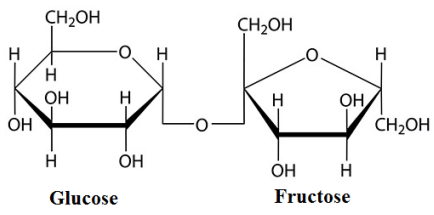
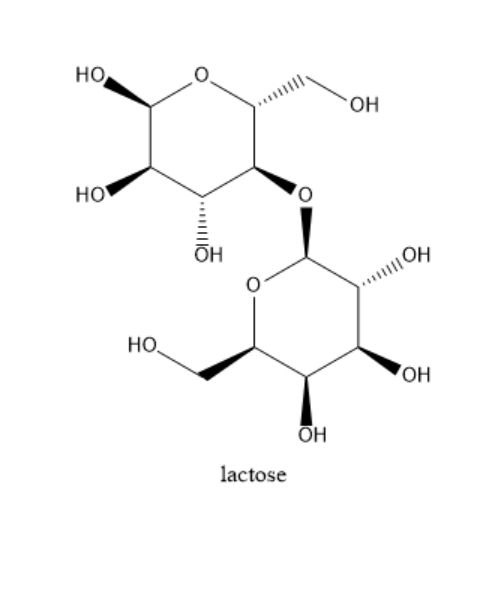
- Disaccharides - Two sugar units joined together (e.g., sucrose, lactose)
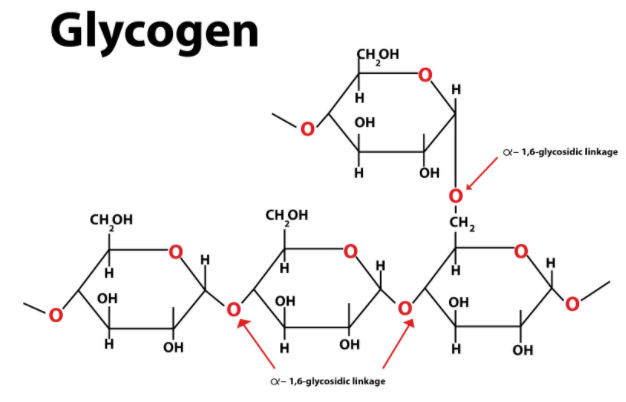
- Polysaccharides - Many sugar units (e.g., starch, glycogen, cellulose)
Functions of Carbohydrates
Carbohydrates perform several critical functions in living organisms:
- Provide instant energy (e.g., glucose during respiration).
- Serve as energy storage (glycogen in animals, starch in plants).
- Act as structural components (cellulose in plant cell walls, chitin in fungi).
- Help in cell recognition and signaling (glycoproteins in cell membranes).
Key Sub-Concepts Related to Carbohydrates
Monosaccharides
Monosaccharides are the simplest form of carbohydrates made up of a single sugar unit. Examples include glucose, fructose, and galactose. They are the primary building blocks for more complex carbohydrates and are quickly absorbed for energy.
Disaccharides
Disaccharides consist of two monosaccharide units joined by a glycosidic bond. Common example is sucrose (glucose + fructose) found in table sugar, lactose (glucose + galactose) in milk, and maltose (glucose + glucose).
Polysaccharides
Polysaccharides are long chains of monosaccharide units. They function as energy storage (starch in plants, glycogen in animals) or as structural polymers (cellulose in plant cell walls).
Glycosidic Bond
This covalent bond forms between two monosaccharide units in oligosaccharides and polysaccharides. Understanding how glycosidic bonds form and break is fundamental for mastering carbohydrate metabolism.
Formulas, Principles, and Relationships in Carbohydrates
Some essential relationships and formulas related to carbohydrates include:
- General formula: (CH2O)n (where ‘n’ = 3-7 for most monosaccharides)
- Glucose (C6H12O6), Fructose (C6H12O6) - both are hexoses
- Sucrose formation: Glucose + Fructose - H2O → Sucrose (condensation reaction, removal of water)
- Starch and glycogen are polysaccharides made up of multiple glucose units (hundreds or thousands linked by glycosidic bonds)
Features and Importance of Carbohydrates
Carbohydrates are water soluble (mostly monosaccharides and disaccharides), easily digestible, and major contributors to diet. Structural polysaccharides like cellulose are insoluble and provide rigidity and strength to plant cells. Their abundant presence in nature and crucial biological functions make them a central focus for NEET Biology.
Why Carbohydrates Matter for NEET Exam
A clear understanding of carbohydrates is essential for NEET because:
- Many questions test your ability to classify carbohydrates, identify molecular structures, or understand their biological roles.
- Concepts are linked to important chapters like Biomolecules, Digestion and Absorption, Cell Structure and Function, and Enzymes.
- Diagrams and structure identification are common NEET MCQs.
- Thorough understanding improves accuracy in solving cross-topic Biology questions.
How to Study Carbohydrates Effectively for NEET
- Start with clear definitions of monosaccharides, disaccharides, and polysaccharides. Know at least one example of each.
- Practice drawing structures and identifying functional groups.
- Understand and memorize the types of glycosidic bonds (alpha and beta).
- Make short notes or flashcards for types and examples of carbohydrates.
- Regularly revise tables and charts showing carbohydrate classification and functions.
- Solve previous year NEET MCQs and sample biology questions based on carbohydrates.
Common Mistakes Students Make in Carbohydrates
- Confusing types of carbohydrates (e.g., calling sucrose a monosaccharide).
- Mispairing the components of disaccharides (e.g., mixing up glucose and galactose for lactose).
- Mixing up the structure and functions of starch, glycogen, and cellulose.
- Forgetting the importance of glycosidic bonds or how they are formed/broken.
- Neglecting diagram practice for monosaccharide and polysaccharide structures.
Quick Revision Points on Carbohydrates
- Carbohydrates are made up of C, H, and O, usually with H:O in 2:1 ratio.
- Monosaccharides - simplest carbohydrates; examples include glucose and fructose.
- Disaccharides - two monosaccharides; examples include sucrose and lactose.
- Polysaccharides - long polymer chains; examples include starch, glycogen, and cellulose.
- Cellulose provides structural strength in plants; starch and glycogen are storage carbohydrates.
- Glycosidic bonds join monosaccharide units in larger carbohydrates.
- Know the biological role and source food of each carbohydrate type for NEET questions.
FAQs on Carbohydrates in NEET Biology: Structure, Classification & Role
1. What are carbohydrates in biology?
Carbohydrates in biology are organic compounds made up of carbon, hydrogen, and oxygen, essential for providing energy and structural support in living organisms.
Key features include:
- Contain carbon (C), hydrogen (H), and oxygen (O) atoms.
- Have the general formula Cn(H2O)n.
- Play a vital role in energy storage (like glucose and glycogen).
- Form structural elements in cell walls (e.g., cellulose in plants).
2. What are the different types of carbohydrates?
Carbohydrates are classified into three main types based on their structure and complexity.
The types include:
- Monosaccharides: Simple sugars (e.g., glucose, fructose).
- Oligosaccharides: Two to ten monosaccharide units (e.g., sucrose, lactose).
- Polysaccharides: Long chains of monosaccharides (e.g., starch, glycogen, cellulose).
3. What is the general formula of carbohydrates?
The general formula for most carbohydrates is Cn(H2O)n, where ‘n’ can vary.
Key points:
- This formula is applicable mainly to monosaccharides (like glucose: C6H12O6).
- Oligosaccharides and polysaccharides are formed through the condensation of monosaccharides and may not strictly follow this ratio.
4. What are the functions of carbohydrates?
Carbohydrates serve multiple essential functions in living organisms, especially relevant for NEET biology exams.
Primary functions include:
- Energy source: Provide immediate and stored energy (e.g., glucose, glycogen).
- Structural support: Form key structures like plant cell walls (cellulose).
- Cell recognition: Involved in cell signaling and recognition (glycoproteins).
- Storage: Plants store energy as starch; animals as glycogen.
5. What is the difference between monosaccharides, disaccharides, and polysaccharides?
The main difference lies in the number of sugar units and their complexity:
- Monosaccharides: Single sugar unit (like glucose or fructose).
- Disaccharides: Two monosaccharides joined (like sucrose or lactose).
- Polysaccharides: Many monosaccharide units linked together (like starch, glycogen, cellulose).
6. What are reducing and non-reducing sugars?
Reducing sugars can donate electrons and react with Benedict's or Fehling's solution, while non-reducing sugars cannot.
Key distinctions:
- Reducing sugars: All monosaccharides (glucose, fructose) and some disaccharides (maltose, lactose).
- Non-reducing sugars: Disaccharides without a free aldehyde/ketone group (like sucrose).
7. What is the importance of carbohydrates in human nutrition?
Carbohydrates are the primary energy source in human nutrition, vital for NEET preparation.
Main contributions:
- Supply immediate energy for cells (as glucose).
- Help in storing energy (as glycogen in muscles and liver).
- Assist in proper functioning of the brain and nervous system.
- Include dietary fibers (cellulose) for healthy digestion.
8. Name the storage polysaccharide in animals and plants.
Glycogen is the main storage polysaccharide in animals, while starch is the primary storage form in plants.
Details:
- Glycogen: Stored mainly in the liver and muscles of animals.
- Starch: Stored in seeds, roots, and tubers of plants.
9. What are examples of carbohydrates?
Examples of carbohydrates include various monosaccharides, disaccharides, and polysaccharides:
- Monosaccharides: Glucose, fructose, galactose
- Disaccharides: Sucrose, lactose, maltose
- Polysaccharides: Starch, glycogen, cellulose
10. Why are carbohydrates called hydrates of carbon?
Carbohydrates are termed 'hydrates of carbon' because their basic chemical formula represents carbon atoms bonded with water molecules.
Key points:
- The empirical formula Cn(H2O)n mimics water attached to carbon atoms.
- This reflects the presence of hydrogen and oxygen in a 2:1 ratio, similar to water.
