




Exercise-wise Solutions & Key Answers for NCERT Class 5 English Chapter 6
Let us Think (Page 68)
A. Answer the following questions.
Question 1. What do we use a water tank for?
Answer: A water tank is used to store water that we need for different activities like drinking, cooking, bathing, and cleaning.
Question 2. Where is Punjab located on the map of India?
Answer: Punjab lies in the northwestern region of India.
Question 3. How are the water tanks in Punjab made?
Answer: In Punjab, water tanks are built by first creating a frame with steel rods and then shaping it with concrete. These tanks are usually placed on the rooftops of houses.
Question 4. How do the unique shapes of water tanks reflect the identity of the house owners?
Answer: The special designs of many water tanks show the hobbies or professions of the people living in the house. For instance, a farmer may choose a tank shaped like a tractor, while someone who loves football might have one designed like a football.
B. Think and answer
Question 1. An overhead water tank is a way to store water. Do you know any other ways of storing water?
Answer: Yes, water can also be stored in underground tanks, wells, clay pots, and big community storage reservoirs.
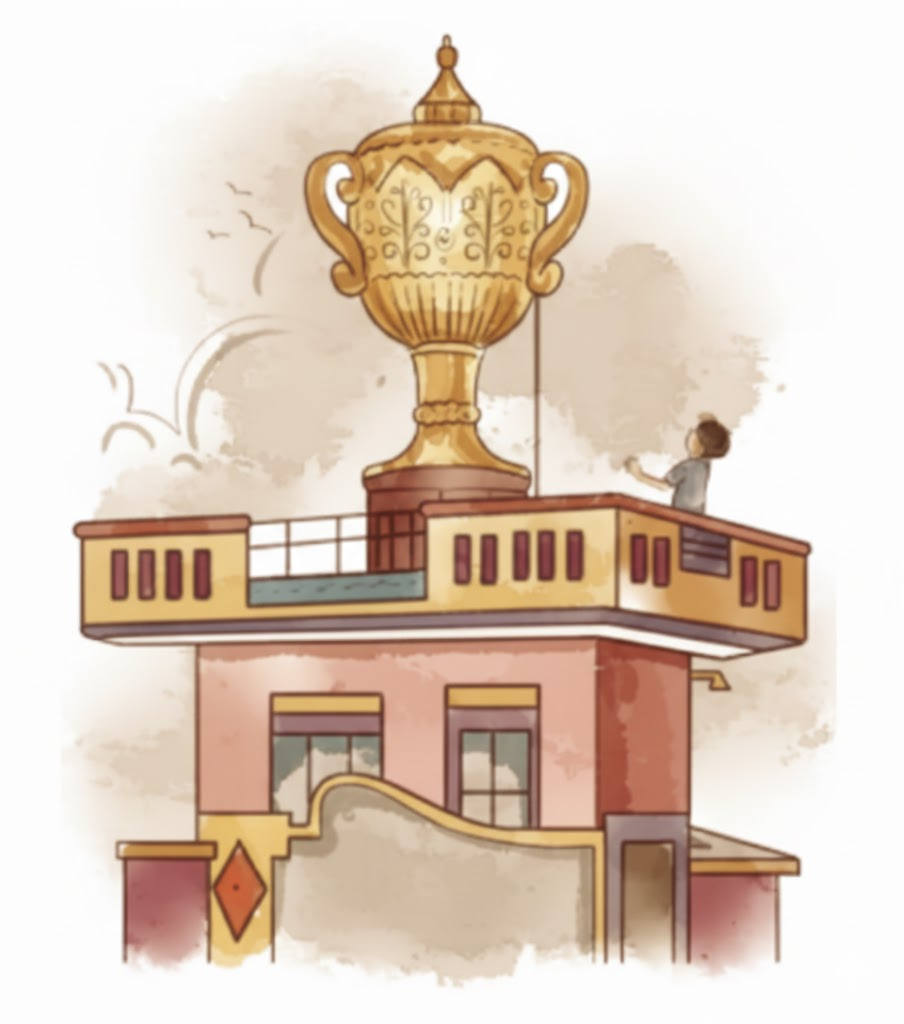
Question 2. If you had to build a water tank, what would you make it look like? Why?
Answer: If I were to design a water tank, I would shape it like a tree, since trees provide shade and are vital for our environment. It would serve as a reminder for everyone to conserve water and care for nature.
Let us Learn (Pages 68-72)
Short forms (or contractions) are when two words are combined and some letters are left out.
An apostrophe (’) takes the place of the missing letters.
For example:
aren’t = are not
wouldn’t = would not
A. Write the contractions for the following words.
Question 1. do not ……………
Answer: don’t
Question 2. is not ……………..
Answer: isn’t
Question 3. are not ………………
Answer: aren’t
Question 4. cannot …………..
Answer: can’t
Question 5. could not ……………
Answer: couldn’t
Question 6. did not ………………
Answer didn’t
B. Rewrite the following underlined words using contracted forms.
Question 1. Partho is not feeling well today. His parents have decided that he will stay at home till he gets better. Partho is bored and cannot stay at home anymore. He decides to ask his grandmother if he can go outside, but he thinks she, too, would not agree.
Answer: Partho is unwell today, so his parents have decided he should remain at home until he recovers. Feeling restless and tired of staying indoors, he thinks about asking his grandmother if he can go outside, though he is sure she would also say no.
Question 2. It is a rainy day, and Tina is not happy. She cannot go out to play with her friends. Her brother does not want to play indoors either. They have decided to watch a movie instead. Their mother says she will make popcorn for them.
Answer: It’s raining today, and Tina is upset because she can’t play outside with her friends. Her brother doesn’t feel like playing indoors either. So, they choose to watch a movie, and their mother promises to make popcorn for them.
Read the following
1. That’s so creative!
2. He saw a rooster, a tractor, and a giant football, all made of cement!
3. Hurrah! India has won the match.
These sentences are examples of exclamatory sentences. Exclamatory sentences express strong emotions.
Can you name any four emotions?
………………………………………………..
An exclamatory sentence can be identified by the use of exclamatory words like ‘Wow’, ‘Hurrah’, ‘Oh’ and the use of an exclamation mark (!).
Answer: Happiness, surprise, anger, sadness
D. Find at least five exclamatory sentences from your Grade 4 English textbook and identify the emotions or feelings expressed in them.
Answer:
Note for the Teacher
Support this activity by giving learners a set of emotion words. You can also use emojis or emoticons to help them understand different feelings.
Students may work with a partner or in small groups to locate suitable sentences from their Class 4 English textbooks.
Encourage them to read the sentences before and after the exclamatory line so they can clearly understand the emotion being expressed.
E. Look at the pictures of the animal families and read the words given below each of them.
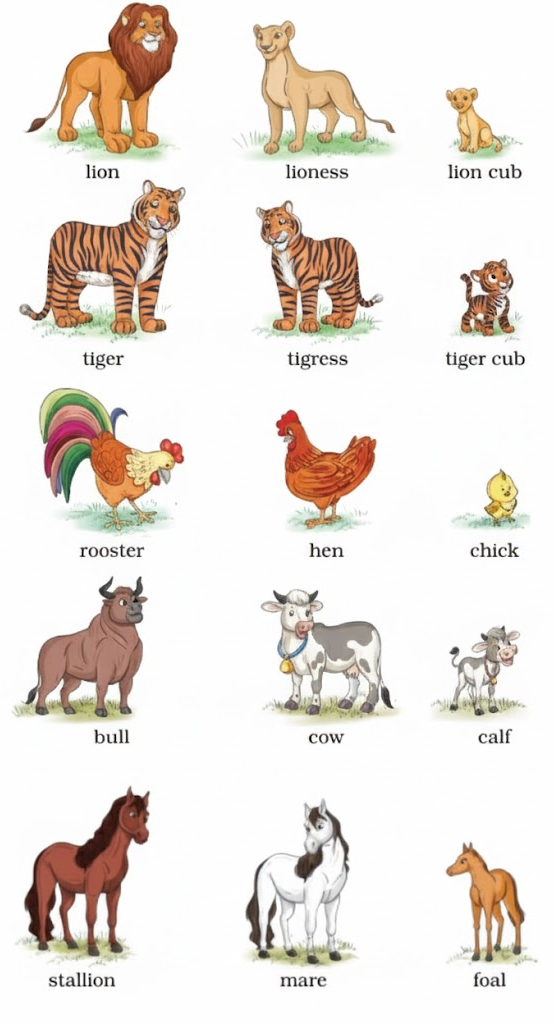
Answer: For self-reading.
F. Look at the picture below. Would you like to add anything to this picture? Use your crayons and colour pencils to add to the picture.
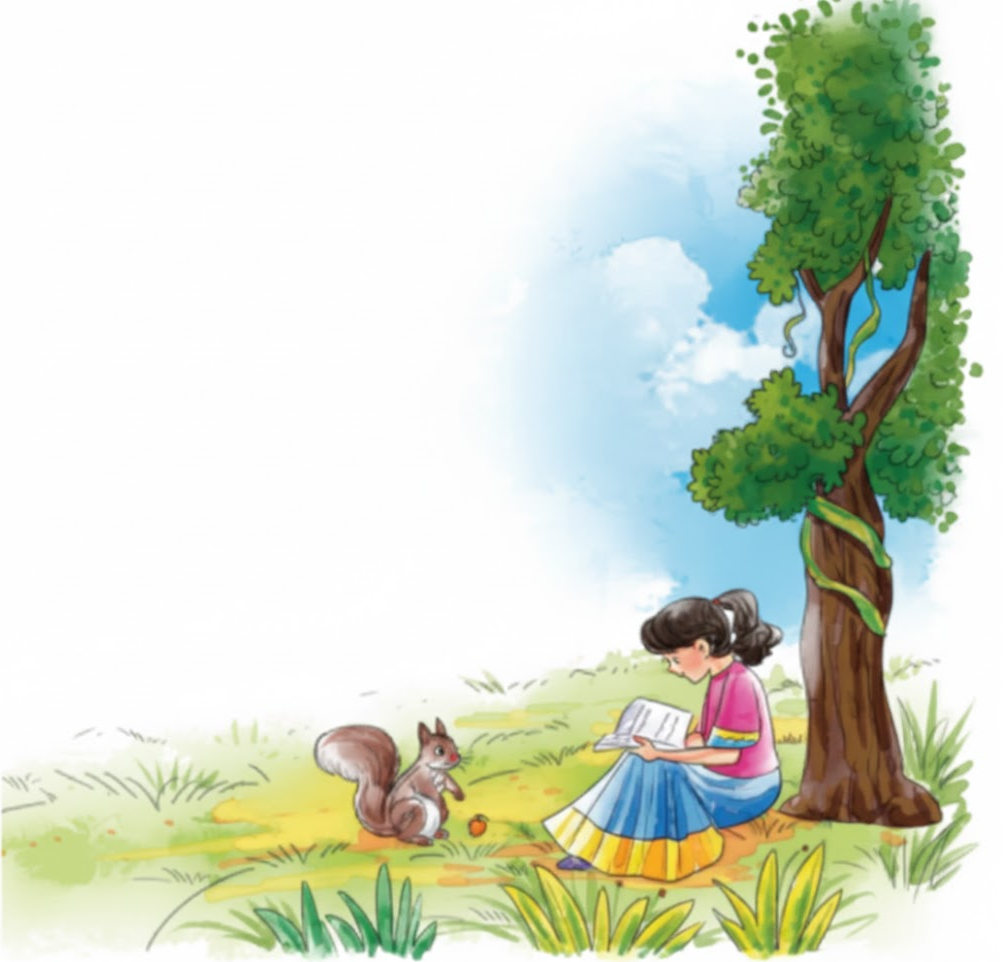
Answer: Students should do it by themselves.
Let us Speak (Page 73)
There are many ways in which we can save water. The simplest way is to stop the wastage of water.
A. Sit in groups of three and discuss:
How do we waste water in our daily lives?
What can we do to stop this wastage?
For example: Using running water to brush teeth wastes a lot of water. We can use a tumbler or a mug to save water
Answer: Students should do it by themselves.
B. Write at least three such examples and share with the class.
Answer:
Taking long showers wastes water. We can take shorter showers.
Washing cars with a hose wastes water. We can use a bucket and cloth.
We can use the water after washing vegetables and fruits for watering plant.
Note to the Teacher
Encourage the learners to provide their examples after discussing with their group members.
Help the learners with the English counterparts of the terms or phrases they bring up during the discussion.
Encourage all the groups to share their points.
C. Say aloud, ‘What a tank!’ and ‘Water tank’.
Do both phrases use the word ‘tank’? Yes/No
Do they mean the same thing? Yes/No
Now, say aloud, ‘I scream’ and ‘Ice cream’.Do both phrases sound the same? Yes/No
Do they mean the same thing? Yes/No
Answer:
Yes
No
Yes
No
Let us Listen (Page 74-76)
Listen to your teacher read out the following passage and choose the correct option.
A Day without Water
One hot summer morning, Suma woke up and went to brush her teeth. But when she turned on the tap, no water came out! She was surprised. Her mother said, “There’s no water in the tank. The whole area has no water today.”
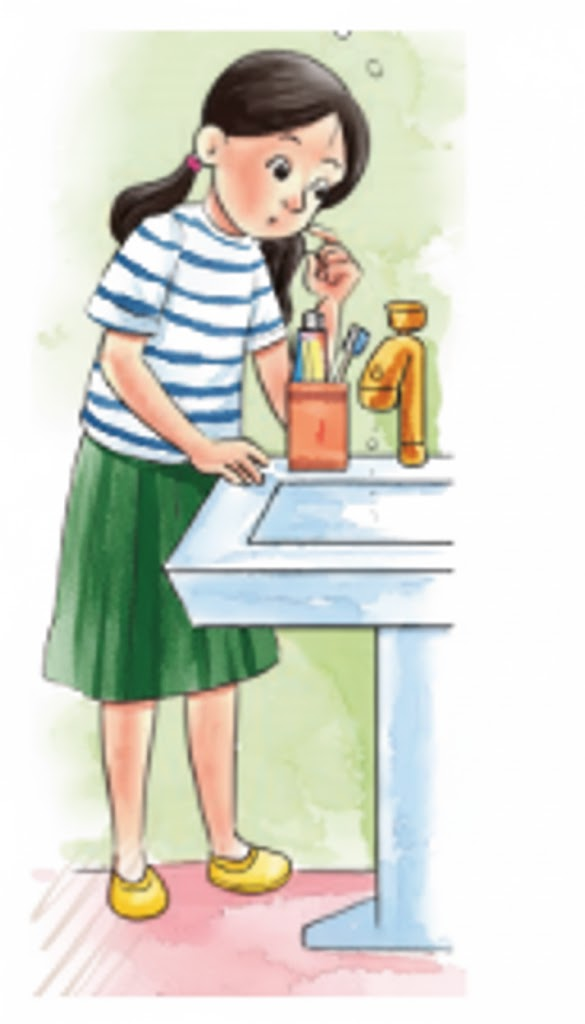
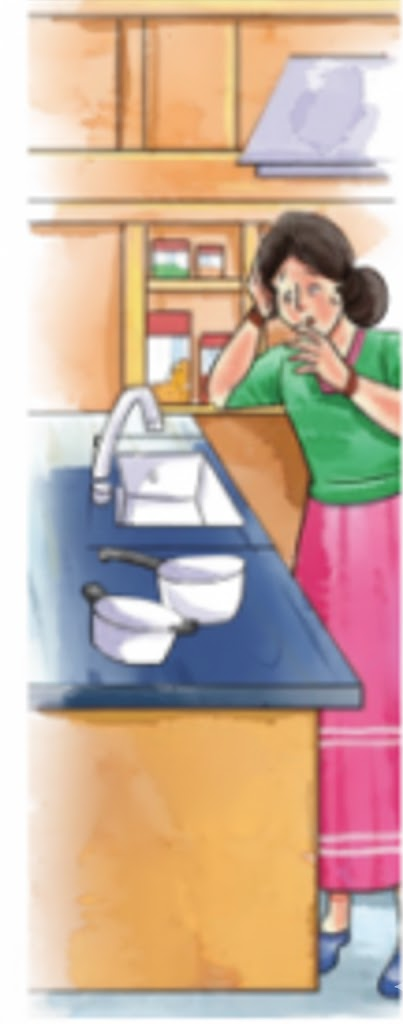
Suma quickly realised how difficult it was to live without water. She couldn’t brush her teeth, wash her face, or take a bath. In the kitchen, there was no water to cook food or clean the dishes. At school, the toilets were closed, very little drinking water was available, and the children were told to bring water bottles from home.
Suma saw that people in her neighbourhood were upset. Some ran to the nearby shop to buy water bottles, while others waited near a water tanker that came from another place.
Everyone looked worried. That evening, the water was finally restored. Suma felt very happy and promised herself that she would never waste water again. She decided to tell her friends how precious water is.
Suma’s school also announced a Water Conservation Week. They planned activities like poster-making, planting trees, and even a water-saving competition.
Suma and her friends made posters with slogans like ‘Save Every Drop’ and ‘No Water, No Life.’
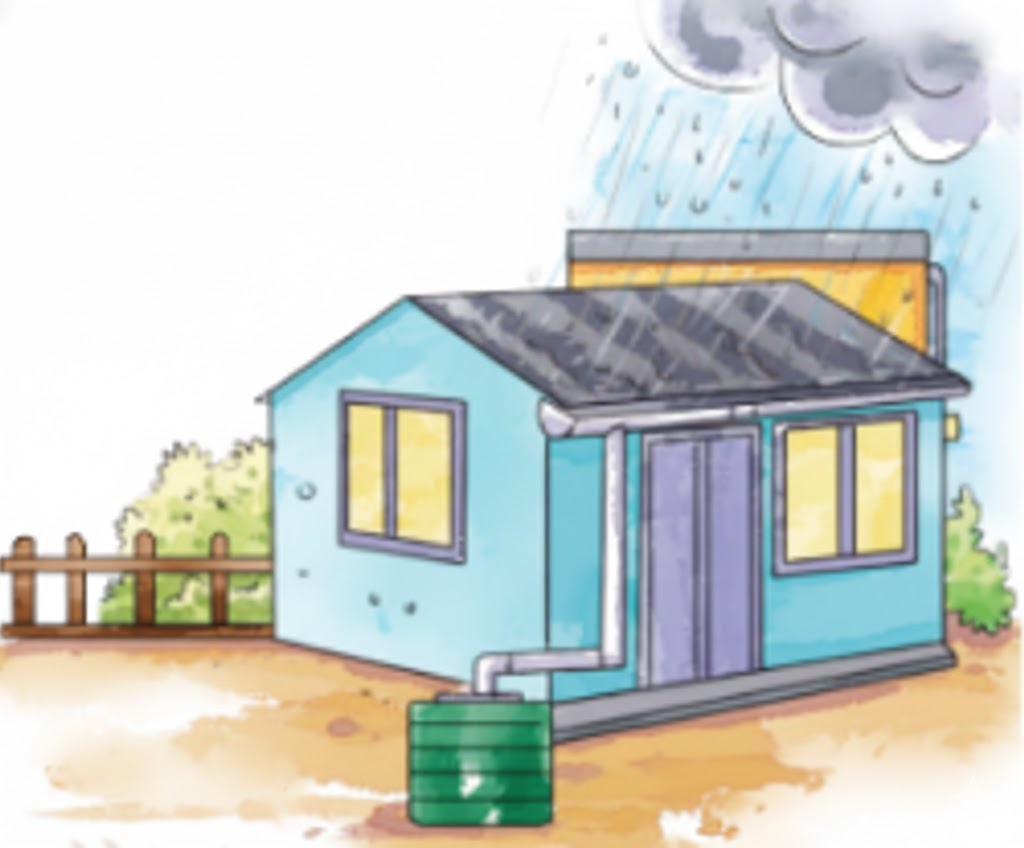
After this experience, Suma understood how important water tanks and water-saving habits are. She asked her parents to set up a rainwater harvesting system at home. Her parents agreed happily.
Choose the correct option:
Question 1. Why was Suma surprised in the morning?
a. Her friends came to visit.
b. There was no water in the tap.
c. She saw a rainbow.
d. She had a holiday.
Answer: b. There was no water in the tap.
Question 2. How did people manage without water?
a. They didn’t need water.
b. They bought bottles and waited for tankers.
c. They drank juice instead.
d. They went swimming.
Answer: b. They bought bottles and waited for tankers.
Question 3. What did Suma promise after the water supply was restored?
a. To waste more water.
b. To never waste water again.
c. To turn off the tap.
d. To check the water tank frequently.
Answer: b. To never waste water again.
Question 4. What activities were planned during the Water Conservation Week?

a. Making taps.
b. Poster-making and planting trees.
c. Tank making.
d. Watching flowing water.
Answer: b. Poster-making and planting trees.
Question 5. What did Suma suggest to her parents?
a. To go near a well.
b. To build a swimming pool.
c. To fix a rainwater harvesting system.
d. To buy a new tank.
Answer: c. To fix a rainwater harvesting system.
Note to the Teacher
More questions may be added to the above.
Let us Write (Pages 76-77)
A. Design a poster in the space below, encouraging people to preserve and clean old water tanks.
Include:
Topic: ‘Save Our Water Tanks—A Community Awareness Campaign’
A catchy slogan (e.g., ‘Save Tanks, Save Lives!’).
A few bullet points on why tanks are important.
An invitation to join a cleaning drive or awareness programme (mention the place and time of the cleaning drive).
Answer:
(For students to draw and write. Sample points:)
Protect Water Tanks, Protect Our Future!
Water tanks supply water to all.
Clean tanks ensure safe and pure water.
Be part of our cleaning campaign at [place] on [date/time].
(For students to research and prepare a chart. Sample answer:)
Water tanks are cleaned by emptying them completely, scrubbing the inner surface, removing any dirt or algae, and then filling them again with fresh water.
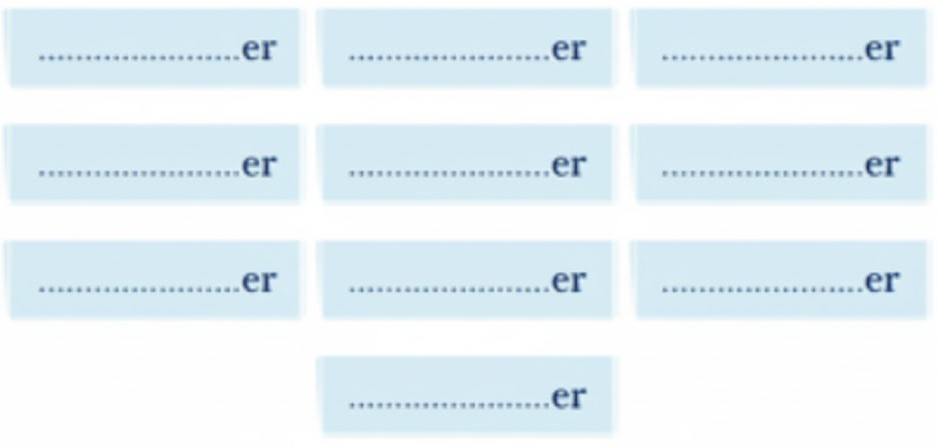
B. Write 10 words that end with ‘er’.
For example: water
Now, do the same with:
Write the words in your notebook.
Answer:
Examples:
water, teacher, farmer, player, painter, singer, driver, writer, reader, builder
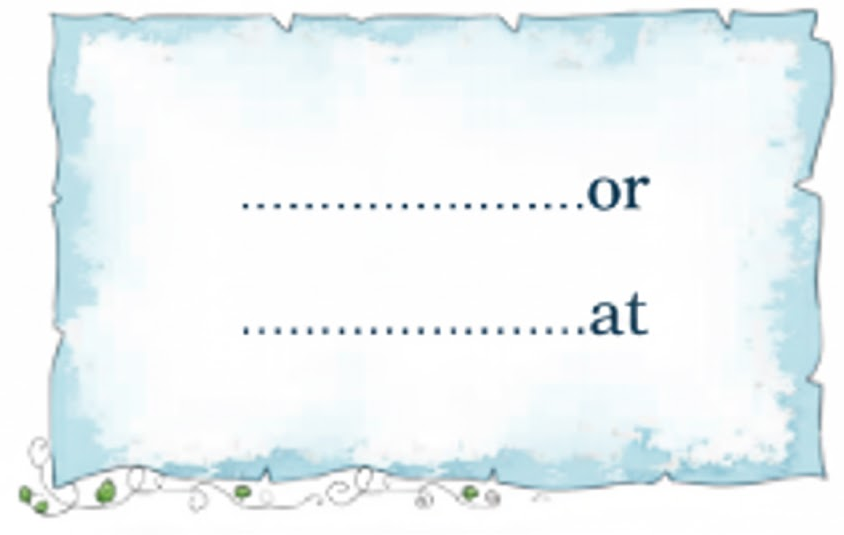
Now, follow the same pattern with:
or: doctor, actor, sailor, visitor, editor, conductor, inventor, creator, donor, director
at: hat, cat, mat, rat, sat, flat, bat, chat, that, pat
Let us Explore (Pages 77-78)
A. You have read a lot about tanks. Have you ever wondered how these tanks are cleaned? Find out about the techniques for cleaning water tanks. You may bring relevant pictures or photographs. Prepare a chart and put it up in your class.
Answer:
Methods for Cleaning Water Tanks
Emptying the Tank: Start by draining all the water to clear out dirt, sediment, or stale water.
Preparing a Cleaning Mix: Make a mild cleaning solution using detergent and water, or use a product designed specifically for tank cleaning.
Scrubbing the Surfaces: With a long-handled brush, scrub every part of the tank, paying special attention to corners and spots that are harder to reach.
Rinsing Well: Wash the tank thoroughly with clean water to remove any soap or cleaning solution left behind.
Letting It Dry: Allow the tank to dry completely before the next step.
Disinfecting: Apply a suitable disinfectant—such as a chlorine-based solution—according to the manufacturer’s directions to ensure the tank is germ-free.
Filling the Tank Again: Refill the tank with clean, safe drinking water.
Ongoing Maintenance: Check water quality regularly and repeat the cleaning process whenever necessary.
Safety Measures: Use protective gear like gloves, goggles, and a mask, especially when working with chemicals.
Professional Services: For very large tanks or difficult cleaning tasks, it may be best to call a professional tank-cleaning service.
B. Look at the pictures given below. The story may already be familiar to you.
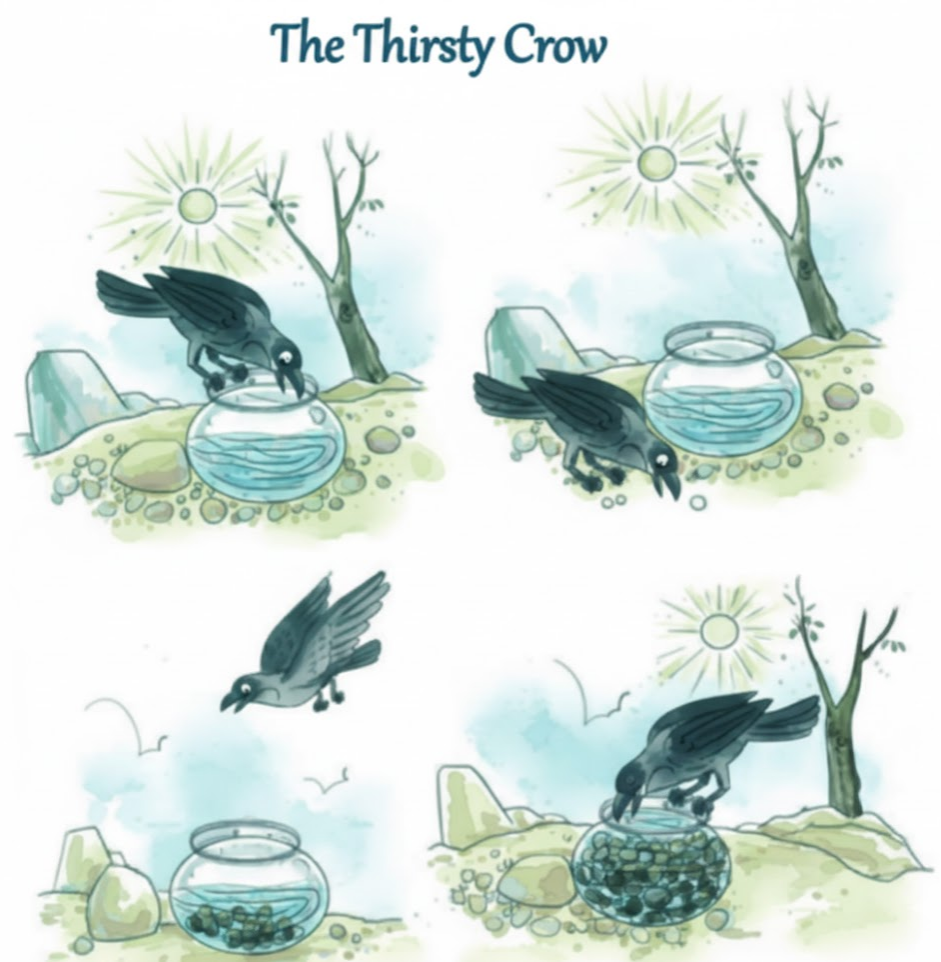
Answer: Classroom activity.
Note for the Teacher
You may distribute roles such as the crow, principal, teachers, school pupil leader, and support staff like mic technicians, a photographer, and a videographer. The audience can include 15–20 students, with a few asking questions during the activity. Make sure every student in the class participates in some way.
NCERT Solutions for Class 5 English Chapter 6 Santoor What a Tank! (2026-27): Your Stepwise Guide
Master the Class 5 English Chapter 6 Santoor What a Tank! concepts quickly with stepwise explanations. Learning about traditional water conservation methods and their modern relevance has never been more fun or easy for CBSE students.
Each section in this chapter highlights the importance of water tanks, rainwater harvesting, and creative community culture. Focus on every exercise to develop both your language skills and awareness of sustainable water practices.
Practicing NCERT Class 5 English Chapter 6 questions and answers regularly helps boost your confidence and understanding. Use these easy explanations to strengthen your knowledge and achieve higher marks in your annual 2026-27 exams.
FAQs on NCERT Solutions For Class 5 English Chapter 6 What A Tank! - 2026-27 Free PDF Download (Login Required)
1. What are NCERT Solutions for Class 5 English Chapter 6 "Santoor What a Tank!"?
NCERT Solutions for Class 5 English Chapter 6 "Santoor What a Tank!" provide stepwise, accurate answers to all textbook questions, following the latest CBSE 2026–27 syllabus.
• Each answer is written as per CBSE marking scheme
• Includes key definitions and important points
• Covers intext and back exercises for complete preparation
• Ideal for exams, quick revision, and homework help
2. How do I write step-by-step NCERT answers to score full marks in Class 5 English Chapter 6?
To score full marks in Class 5 English Chapter 6 answers, structure your responses clearly and include all required steps.
• Begin with a direct answer or summary
• Use bullet points or short paragraphs to separate ideas
• Include key words and phrases from the question
• Support answers with examples or definitions where asked
• Write neatly and review for grammar and spelling
3. Which questions are most likely to appear from NCERT Class 5 English Chapter 6 in school exams?
School exams often focus on key themes, definitions, and direct question answers from Chapter 6. Likely questions include:
• Meaning and story of "Santoor What a Tank!"
• Important definitions or new words
• Summarising the main idea or lesson
• Explanation of events or characters
• Short and long answer questions based on exercises
4. Is it mandatory to include diagrams or definitions in answers to Class 5 English Chapter 6?
Including definitions is important for clarity and full marks, while diagrams are needed only if specifically asked.
• Always provide clear definitions when a term or concept is asked
• Use diagrams or maps only if the question mentions it or if they help explain your answer
• Label any diagrams neatly for better marks
5. How should I structure long answers for Class 5 English Chapter 6 to get better marks?
Structure long answers in Class 5 English Chapter 6 with clear paragraphs and complete sentences to score higher:
• Start with an introductory statement or summary
• Use separate points/paragraphs for each major part of the answer
• Include relevant examples and key phrases
• Conclude by summarising the main message
• Stick to the word limit suggested in the question
6. Where can I download the solutions PDF for NCERT Class 5 English Chapter 6 "Santoor What a Tank!"?
You can download the free NCERT Solutions PDF for Class 5 English Chapter 6 from trusted educational websites.
• Look for download buttons, often labelled as "Free PDF Download"
• Ensure the PDF covers all exercises and latest syllabus
• Use the PDF for offline study and quick revision before exams
7. What are the key definitions and learning outcomes from Class 5 English Chapter 6?
The key definitions in Chapter 6 focus on main terms, values demonstrated by the story, and new words introduced. Learning outcomes include:
• Understanding the meaning of words related to the chapter
• Summarising the storyline and its message
• Answering exercise questions confidently
• Improving comprehension and English writing skills
8. How does a stepwise approach in NCERT Solutions help Class 5 students during revision and exams?
A stepwise approach in NCERT Solutions makes answers easy to follow and ensures all important points are covered.
• Breaks complex answers into simple steps
• Helps students recall answers during revision
• Improves chances of scoring full marks in CBSE exams
• Reduces common mistakes and confusion
9. Are NCERT Solutions enough for Class 5 English exams?
Yes, NCERT Solutions are usually sufficient for Class 5 English exams as they are based directly on the textbook and CBSE syllabus.
• Cover all intext and exercise questions
• Include definitions, summaries, and explanations
• Useful for revision and understanding exam patterns
• For extra practice, solve sample papers and important questions
10. How can I revise Class 5 English Chapter 6 quickly before my exam?
For quick revision of Class 5 English Chapter 6, follow these steps:
• Read summary notes and key definitions
• Practice all NCERT exercise solutions
• Focus on important questions and new words
• Use solved examples for clarity
• Revise using the free PDF or quick revision flashnotes
11. Do examiners award partial marks for correct steps even if the final answer is wrong?
Yes, in CBSE marking schemes, examiners often give partial marks if you write correct steps, even if the final answer is incomplete or has a minor error.
• Showing steps demonstrates your understanding
• Always attempt the question and write logical steps
• Use the NCERT stepwise answers as guidance
12. Are references to textbook page numbers useful during revision?
Referencing textbook page numbers during revision helps you locate answers quickly for Class 5 English.
• Makes it easier to cross-check solutions
• Helps in targeted revision
• Useful for finding related diagrams or maps in the chapter
• Enhances exam preparation by organising study time
