






Pig Facts for Kids and Adults: Diet, Lifespan, Intelligence, and Farm Life
Pigs are intelligent mammals known for their strong sense of smell, playful nature, and important role in farming. Found in many parts of the world, pigs are raised as domestic animals and also live in the wild as boars. These animals are curious, adaptable, and highly social. Learning about pig facts, pig habitat, pig diet, and pig characteristics helps us understand why pigs are one of the most important livestock animals globally.
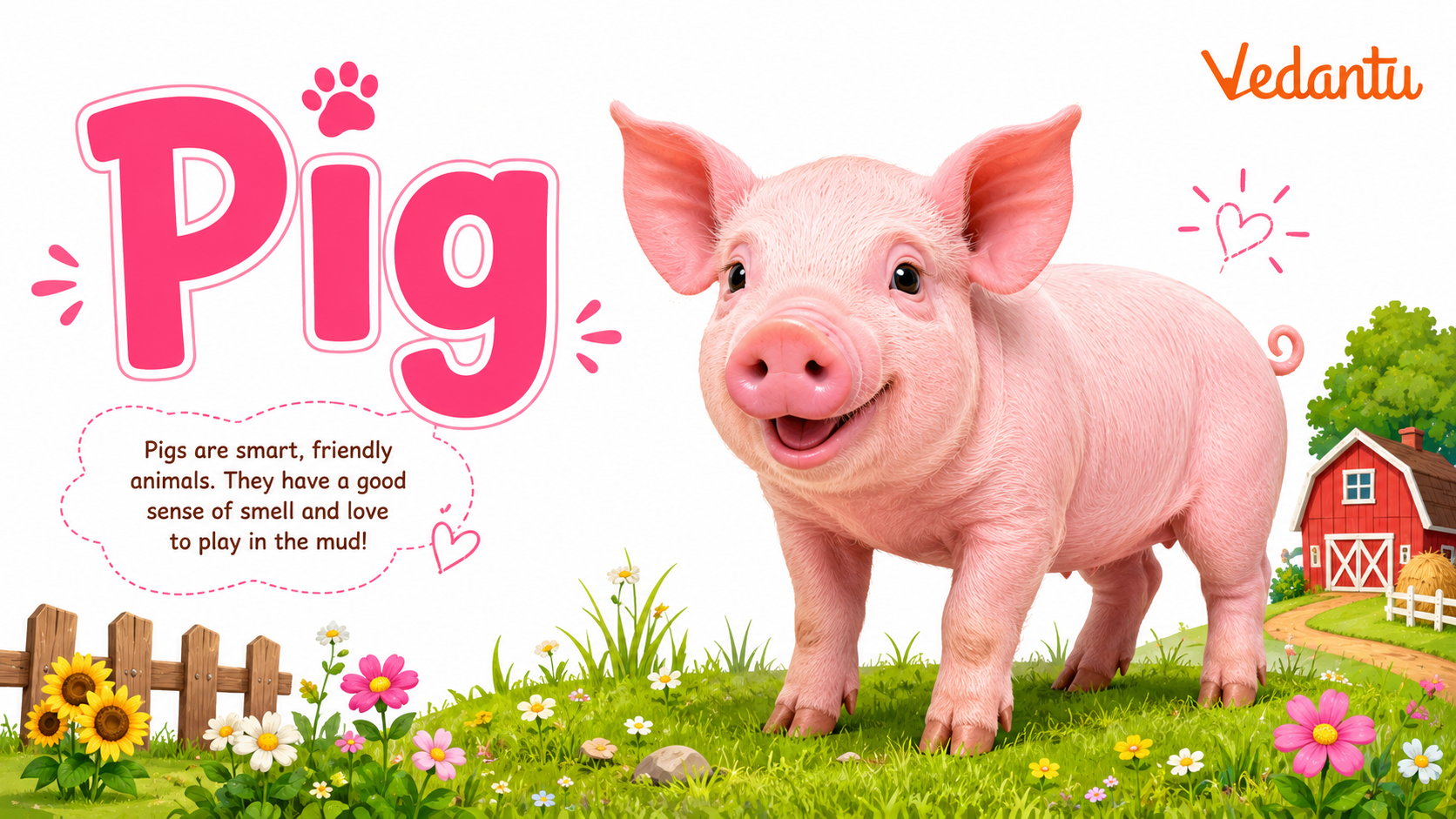
Quick Pig Facts & Statistics
| Feature | Details |
|---|---|
| Common Name | Pig |
| Scientific Name | Sus scrofa domesticus |
| Animal Group | Mammal |
| Average Weight | 100–300 kg (depends on breed) |
| Lifespan | 10–15 years |
| Habitat | Farms, grasslands, forests (wild boars) |
| Diet | Omnivore (plants and small animals) |
| Young One | Piglet |
Appearance & Physical Characteristics
- Strong, round body with short legs.
- Large head with a flat, flexible snout.
- Small eyes and large ears.
- Skin may be pink, black, brown, or spotted.
- Sparse hair covering the body.
Pig Habitat & Distribution
- Domestic pigs live on farms around the world.
- Wild pigs (wild boars) live in forests, grasslands, and wetlands.
- They prefer areas with water and mud.
- Mud helps them cool down because pigs do not sweat much.
Pig Diet & Feeding Habits
Pigs are omnivores, which means they eat both plants and animals.
- Grains like corn and wheat
- Fruits and vegetables
- Roots and grass
- Insects and small animals
Behaviour & Lifestyle
- Very social animals; they like living in groups.
- Communicate using grunts and squeals.
- Love rolling in mud to stay cool and protect their skin.
- Active during the day.
Sound or Call
Pigs make different sounds like grunts, snorts, and squeals. These sounds help them express hunger, fear, excitement, or call their piglets.
Pig Life Cycle
- Birth: Female pigs (sows) give birth to multiple piglets at one time.
- Piglet Stage: Piglets drink their mother’s milk and grow quickly.
- Growing Stage: Young pigs learn to find food and interact socially.
- Adult Stage: Fully grown pigs can reproduce and live up to 15 years.
Temperament & Domestic Life
What Makes Pigs Special?
Importance & Role in Nature
- Provide food products for humans.
- Help turn soil while rooting.
- Wild pigs are part of the forest food chain.
- Used in medical and scientific research.
Amazing Pig Facts
Fun Facts for Kids
- Baby pigs are called piglets.
- Pigs love belly rubs!
- They roll in mud like a natural sunscreen.
- Pigs can dream when they sleep.
- Some pigs can learn to play simple video games.
FAQs on Pig Animal Guide: Facts, Habitat, and Behavior
1. What is a pig?
A pig is a smart farm animal that belongs to the species Sus scrofa domesticus and is raised around the world.
- Pigs are mammals with hooves and short legs.
- They are commonly found on farms.
- Pigs are known for being intelligent animals.
- They are related to wild boars.
2. Where do pigs live?
Pigs live on farms, grasslands, and sometimes in forests depending on whether they are domestic or wild.
- Domestic pigs live in barns or pig pens.
- Wild pigs live in forests and jungles.
- They prefer areas with mud and water to stay cool.
3. What do pigs eat?
Pigs are omnivores, which means they eat both plants and animals.
- They eat grains, fruits, and vegetables.
- They may also eat insects and small animals.
- Farm pigs are often fed corn and soybean meal.
4. Why do pigs roll in mud?
Pigs roll in mud to cool their bodies and protect their skin because they do not sweat like humans.
- Mud keeps them cool in hot weather.
- It protects against sunburn.
- Mud helps remove parasites and insects.
5. Are pigs intelligent animals?
Pigs are highly intelligent animals and are considered as smart as dogs in many studies.
- They can learn tricks quickly.
- Pigs have strong memory skills.
- They can recognize their names and owners.
6. What are baby pigs called?
Baby pigs are called piglets, and they are born in groups called litters.
- A mother pig is called a sow.
- A father pig is called a boar.
- A group of piglets is known as a litter.
7. How long do pigs live?
Pigs usually live between 12 to 20 years depending on their breed and living conditions.
- Farm pigs may have shorter lifespans.
- Pet pigs often live longer with proper care.
- Healthy diet and shelter increase life expectancy.
8. What are the different types of pigs?
There are many pig breeds around the world, including domestic and wild types.
- Yorkshire pig – common farm breed.
- Miniature pig – often kept as a pet.
- Wild boar – ancestor of domestic pigs.
- Berkshire pig – known for quality meat.
9. How do pigs communicate?
Pigs communicate using sounds, body language, and smell to express feelings and needs.
- They make grunts and squeals.
- They use body movements to show excitement or fear.
- Pigs rely on a strong sense of smell.
10. Why are pigs important to humans?
Pigs are important farm animals because they provide food and other useful products.
- They provide pork, bacon, and ham.
- Pig by-products are used in medicine and products.
- Pigs also help farmers manage food waste.
