



Stepwise Answers and Exam Tips for The Tinkling Bells Class 4
Class 4 English The Tinkling Bells Question Answer
Let us Think (Page 14)
A. Answer the following.
Question 1. Why was Chinna upset?
Answer: Chinna was upset because he had lost the money that his Dadaji gave him to buy the tinkling bells.
Question 2. How did Kamala help Chinna feel better?
Answer: Kamala gently comforted Chinna, wiped away his tears, and promised to give him money to buy the bells.
Question 3. What did the fruit seller do by mistake?
Answer: The fruit seller accidentally gave Chinna ten rupees extra while returning the change.
Question 4. How did Chinna manage to buy the bells from Chacha in the end?
Answer: After Chinna honestly returned the extra money to the fruit seller, his mother felt happy and took him to Chacha’s shop to buy the bells.
B. Write ‘T’ for true or ‘F’ for false.
1. Chinna wanted to buy the bells to attach them to his bicycle. ( )
Answer: False
2. Chinna’s mother, Kamala, comforted him when he came home feeling sad. ( )
Answer: True
3. The fruit seller gave Chinna twenty rupees extra as change. ( )
Answer: False
4. Chinna decided to keep the extra money and bought chocolates with it. ( )
Answer: False
5. The fruit seller was unhappy when Chinna returned the extra money. ( )
Answer: False (He was actually happy.)
C. Think and discuss.
Question 1. Why do you think Chinna decided to return the money instead of keeping it?
Answer: Chinna recalled how upset he was when he lost his own money. He understood that keeping the extra money would be like stealing and would cause the fruit seller the same sadness. His mother also reminded him about the importance of being honest.
Question 2. Think of a time when you found something that didn’t belong to you. What did you do? How did it make you feel?
Answer: (Sample)
Once, I found a pencil box in my school. I handed it over to my teacher so it could be returned to its owner. Doing the right thing made me feel happy and proud.
Let us Learn (Pages 15-18)
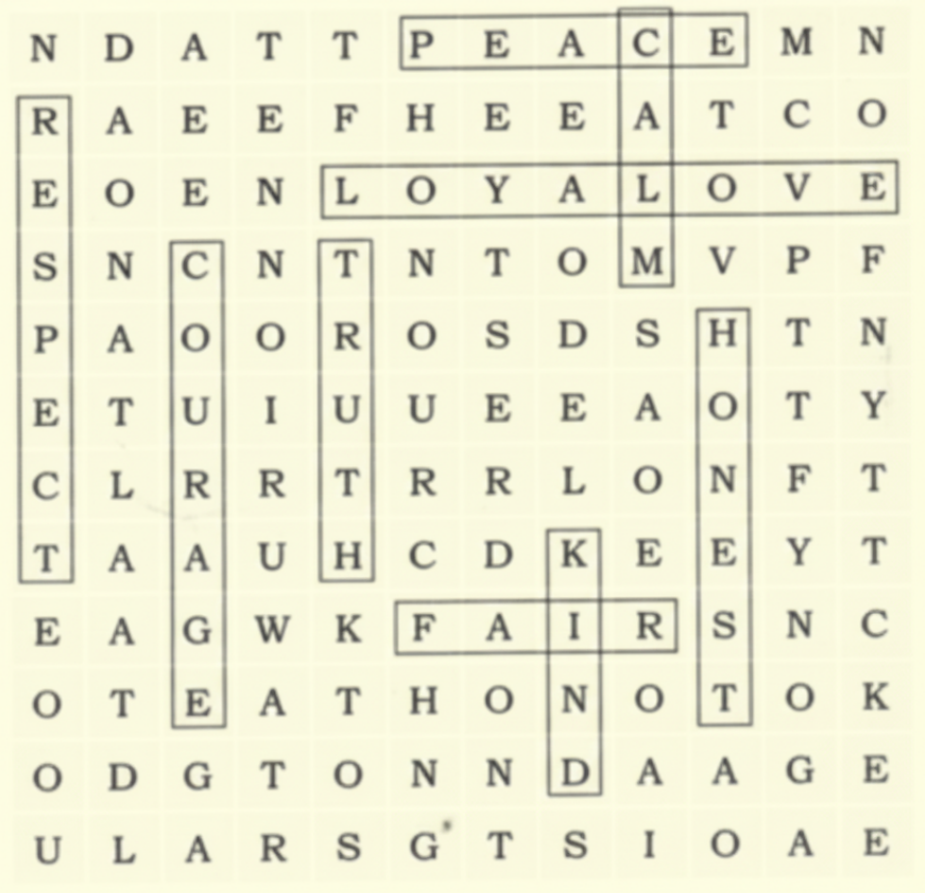
A. Find the given words.
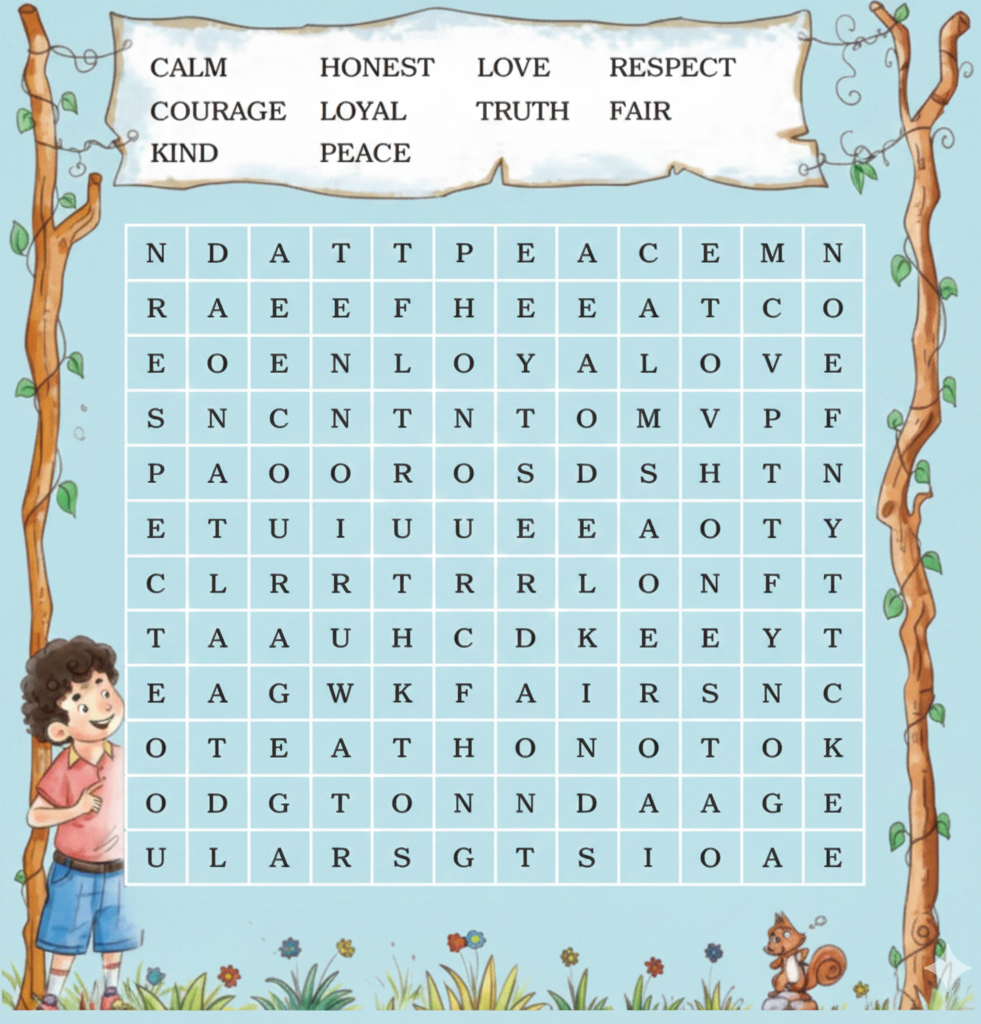
Answer:
B. Read the following.
Chinna, Charu and Jasmine are friends. They study in grade 4.
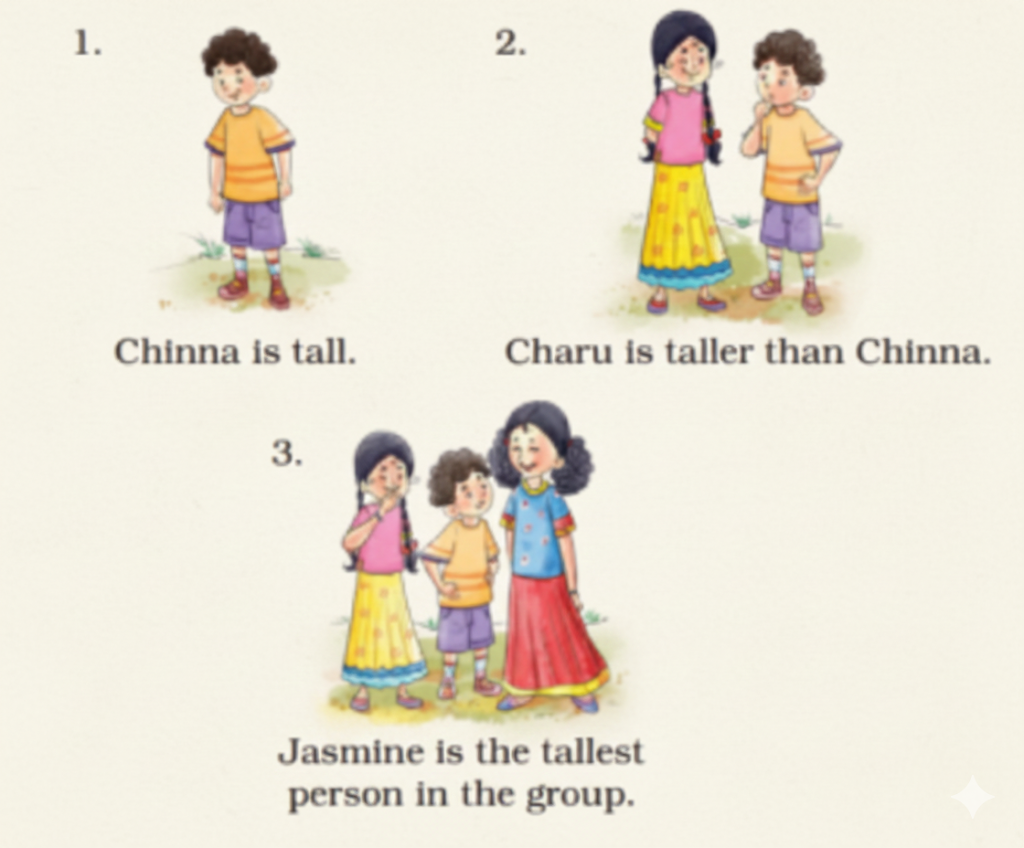
We use different forms of adjectives to compare the qualities of people or things.
When we compare the qualities of two people or objects, we add -er to the adjective. We always use ‘than’ while comparing two people or objects.
Example: Arnan is shorter than Jiya.
When the comparison is made in a whole group or collection, we add -est to the adjective.
Example: February is the shortest month of the year.
Fill in the blanks using the correct comparison markers (-er or -est).
1. I am (tall) _______ than my brother.
2. January is the (cold) _____ month of the year.
3. An ant is (small) _______ than an elephant.
4. My sister is (smart) ______ than me.
5. Jay was the (fast) _______ person in the race.
Answer:
1. I am taller than my brother.
2. January is the coldest month of the year.
3. An ant is smaller than an elephant.
4. My sister is smarter than me.
5. Jay was the fastest person in the race.
C. Circle the word that means the opposite of the highlighted word in each sentence.
Question 1. Chacha showed him some beautiful tinkling bells.
(a) Attractive
(b) Ugly
(c) Broken
Answer: (b) Ugly
Question 2. The fruit seller was so happy that he gave Chinna ten rupees as a reward.
(a) Offer
(b) Prize
(c) Punishment
Answer: (c) Punishment
Question 3. I’ll give you money to buy the bells.
(a) Sell
(b) Purchase
(c) Order
Answer: (a) Sell
Question 4. “Can I buy chocolates with the money?” whispered Chinna.
(a) Murmured
(b) Shouted
(c) Talked
Answer: (b) Shouted
Let us Listen (Page 18)
Your teacher will read out the story ‘The Tinkling Bells’ once again to you. Now read the following sentences and number them in the sequence of the story.
Chinna discovered that his money was missing and felt sad.
Chinna went to the market with his mother.
Chinna hugged his mother and told her about the missing money.
Chinna returned the extra money to the fruit seller.
Chinna bought the tinkling bells after getting some money from his mother.
Chinna wanted to buy bells for his pet at Chacha’s shop.
Answer:
Chinna wanted to buy bells for his pet at Chacha’s shop.
Chinna discovered that his money was missing and felt sad.
Chinna hugged his mother and told her about the missing money.
Chinna went to the market with his mother.
Chinna returned the extra money to the fruit seller.
Chinna bought the tinkling bells after getting some money from his mother.
Let us Speak (Page 18)
What would you do in the following situations?
Question 1. You borrowed your friend’s favorite pen. After using it, you accidentally broke it. What would you do?
Answer: I would apologise to my friend and honestly tell them what happened. I would also try to replace the pen or give them a new one.
Question 2. During a math quiz, your friends ask you to show them your answers because they didn’t study. If you don’t help, your friends might get upset with you. What would you do?
Answer: I would not share my answers because it is wrong to do so. I would politely tell them that it is better to work independently and be honest.
Question 3. You see a classmate taking a notebook from the teacher’s desk without permission. The classmate tells you not to tell anyone. What would you do?
Answer: I would speak to the classmate and ask them to return it. If they refuse, I would inform the teacher because what the classmate did is wrong.
Question 4. You bring your favourite snack to school. But you find that your classmate has not brought anything to eat. You really want to enjoy the snack alone. What would you do?
Answer: I would share my snack with my classmate. Sharing makes me feel happy, and we can both enjoy it together.
Let us Write (Pages 19-20)
A. Frame sentences using the following words from the story.
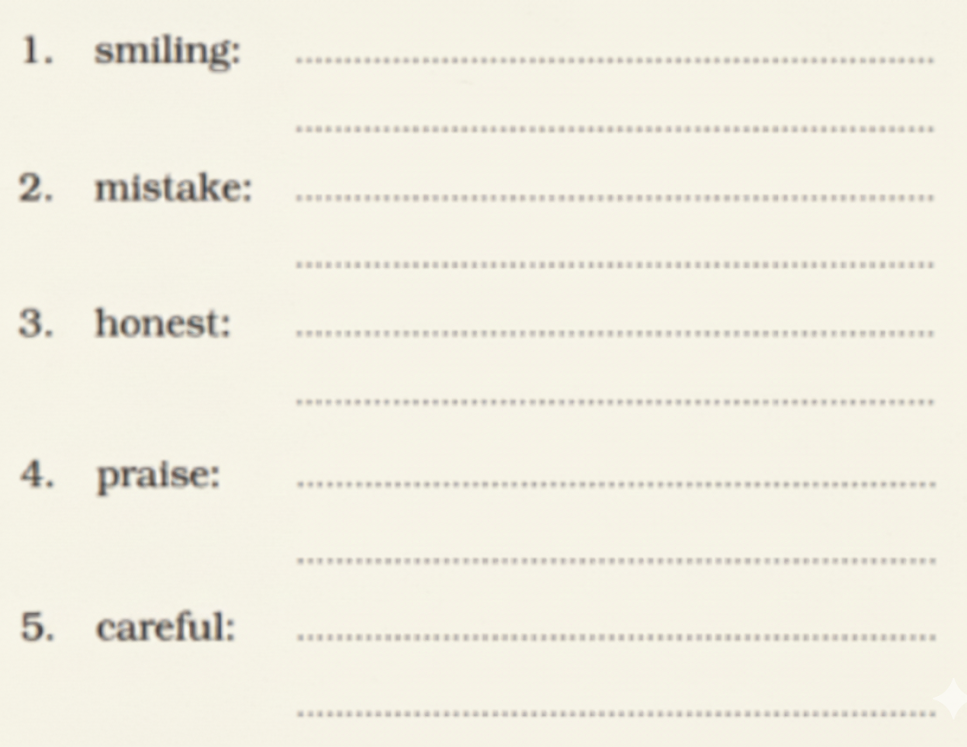
Answer:
Smiling: My friend was smiling because he won the first prize in the drawing competition.
Mistake: I wrote the story without any mistakes.
Honest: I am an honest girl.
Praise: Our classmates praise me for my honesty.
Careful: We should be careful while walking on the path.
B. Draw two national symbols (e.g., national flag, national bird) and write a few sentences about each.

Answer: 1. National Flag – Tiranga

Draw: A horizontal tricolour flag with three equal bands—saffron at the top, white in the middle with a navy blue Ashoka Chakra (24-spoke wheel), and green at the bottom.
The national flag of India is known as the Tiranga. It has three colours: saffron symbolising courage, white representing peace, and green standing for growth. The blue Ashoka Chakra at the centre signifies truth and progress. The flag is hoisted on national occasions such as Independence Day and Republic Day.
2. National Bird – Indian Peacock
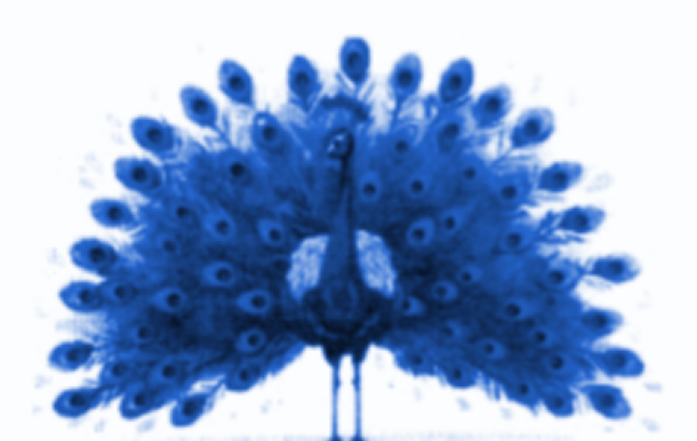
Draw: A vibrant peacock with a fan-shaped tail, displaying its beautiful feathers in shades of blue and green.
The peacock is the national bird of India. It is famous for its bright colours and elegant dance. The peacock represents beauty and pride and is commonly seen in forests, near villages, and in palace gardens.
Let us Do (Pages 21-22)
Create your own bell craft, similar to the bells Chinna wanted for his pet goat.
Materials Needed (Waste or Recyclable Items):
Small metal bottle caps (from used bottles) or small tin cans (cleaned and dried)
String (about 12-15 inches for each bell)
Old cardboard (for making a tag or decoration)
Small pebbles, beans, or beads (for the tinkling sound inside the bell)
Aluminum foil (for decoration)
Glue or tape
Safety scissors
Hole punch or nail (with adult supervision for punching holes)
Preparation:
If using bottle caps. Collect around two or three for each student.
If using tin cAnswer: You should have an adult help to make a small hole near the top rim of the can for threading the string and also ensure they are cleaned and dried.
Step 1: Place one or two small pebbles, beans, or beads inside a bottle cap or tin can. These will create the tinkling sound when shaken.
Step 2: If using bottle caps, glue another cap on top to seal it, creating a small bell shape. Use tape around the edges to ensure it stays closed. If using a tin can, the items can remain inside without sealing.
Step 3: Thread the string or yarn through the hole in the tin can or make a hole in the top of the sealed bottle cap using a nail (with adult supervision).
Step 4: Tie a knot at the end of the string to secure it, allowing the bell to hang from the string.
Step 5: Cut a small piece of aluminum foil and wrap it around the bell to give it a shiny, decorative appearance.
Step 6: Decorate with markers, crayons, or paint if desired. You can also add patterns, colours, or even drawings on the foil.
Step 7: Cut a small shape out of the cardboard (e.g., a circle, heart, or star) and punch a hole at the top.
Step 8: You can write your name, draw a picture, or colour the tag.
Step 9: Thread the tag onto the string above the bell, tying it in place.
Step 10: Adjust the length of the string as needed, and make sure the bell can dangle freely to create the tinkling sound.
Step 11: Shake the bells to hear the sound and enjoy your creation.
Answer: Read the method given in the book and try it on your own.
Fun with Matchsticks (Page 23)
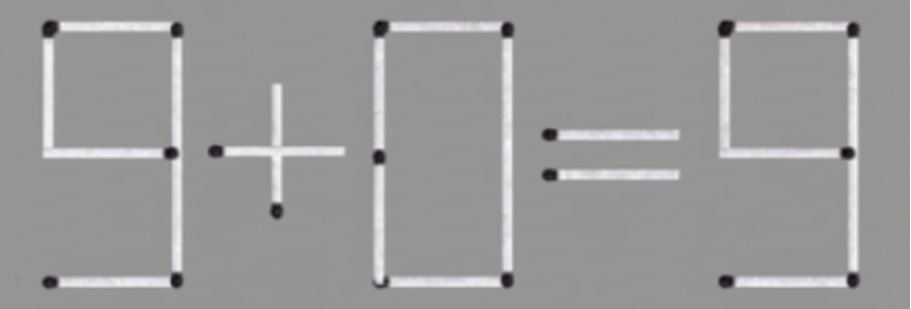
Activity: Fix the equation.
Objective: Move one matchstick to make the equation correct.
One puzzle has been solved for you.
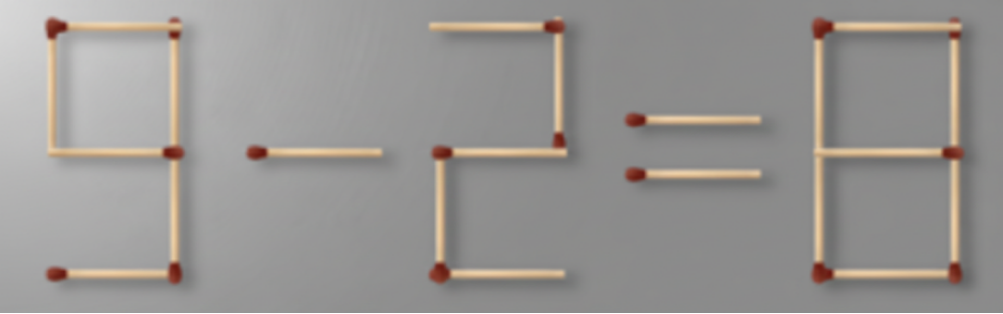
Solution:
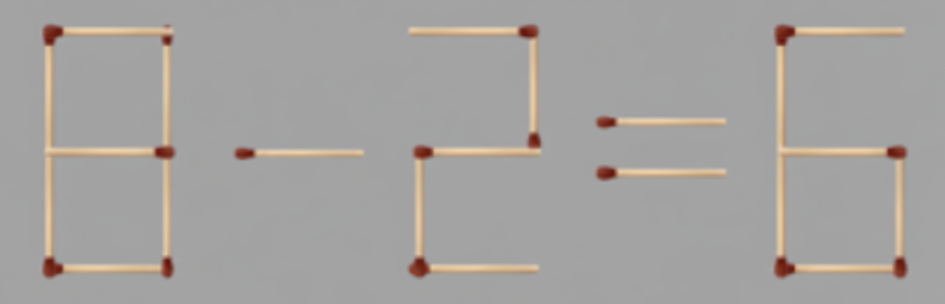
Now, solve the following equation by moving one matchstick.
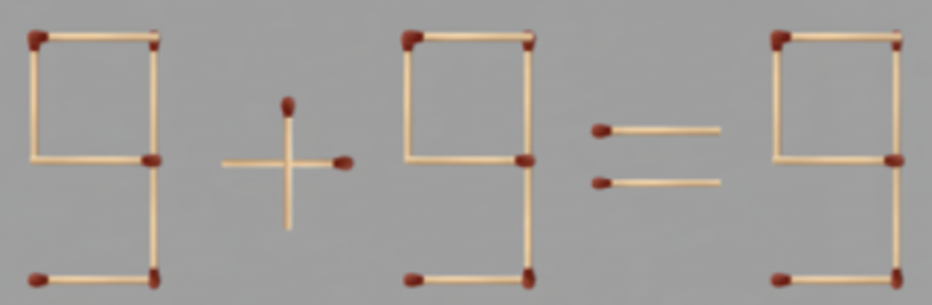
Answer:
Let us Explore (Page 24)
We have read about Chinna’s love for tinkling bells in the story. Collect or draw pictures of different types of bells found in India.
Answer: Students should do it by themselves.
NCERT Solutions for Class 4 English Santoor Chapter 2 The Tinkling Bells – Explained
The story The Tinkling Bells from Class 4 English Santoor teaches the importance of honesty and kindness. Practicing these NCERT Solutions (2026-27) helps students understand values while enhancing reading and comprehension skills for exams.
By reviewing all chapter questions and answers, students will strengthen their ability to answer accurately in their exams. Using NCERT-based practice ensures a strong foundation in English comprehension and grammar for Class 4.
For best results, read the story thoroughly and use the solutions to reinforce key concepts. Consistent practice of chapter exercises is the most effective way to achieve confidence and score high marks in school tests.
FAQs on NCERT Solutions for Class 4 English Santoor Chapter 2 The Tinkling Bells - 2026-27 Free PDF Download (Sign-In Required)
1. What is the summary of The Tinkling Bells?
The Tinkling Bells tells the story of children who enjoy the beautiful sound of little bells and learn a lesson about joy and togetherness.
- The story focuses on appreciating small moments, like the sound of bells.
- It encourages friendship and teamwork among the characters.
- Values like sharing, happiness, and cooperation are highlighted throughout the chapter.
2. How to write NCERT answers for class 4 chapter 2?
To write NCERT answers for Class 4 English Chapter 2 – The Tinkling Bells, follow these exam-ready steps:
- Read each question carefully and understand what is asked.
- Start answers with key words from the question.
- Write in simple sentences; keep answers clear and to the point.
- Include definitions, examples, or diagrams when required.
- Use step-by-step points or short paragraphs for longer answers.
3. Are diagrams required in Class 4 English?
Diagrams are usually not compulsory in Class 4 English answers, but neat illustrations can help clarify your response if the question asks for a picture or labelling.
- Draw only when the exercise instructions ask for a diagram.
- Keep diagrams simple and label them clearly.
- Use diagrams to show scenes, objects, or story settings if relevant.
4. How to score full marks in Santoor chapter 2?
To score full marks in Class 4 English Santoor Chapter 2: The Tinkling Bells, focus on:
- Writing stepwise, structured answers based on NCERT Solutions.
- Highlighting key words from the textbook question in your response.
- Using neat handwriting and clear sentences.
- Revising important definitions and story facts.
- Practicing with sample questions, worksheets, and chapter-wise solutions.
Present your answers as per the CBSE Class 4 English marking scheme for the 2026–27 session.
5. Where to get chapterwise solutions PDF for offline study?
You can download the NCERT Solutions PDF for Class 4 English Santoor Chapter 2 and other chapterwise solutions from trusted educational platforms.
- Find free PDF downloads linked on chapter solution pages.
- Use these PDFs for offline reading and revision.
- Ensure the solutions match the latest CBSE and NCERT syllabus (2026–27).
6. What are the most important topics from this chapter?
The most important topics from The Tinkling Bells – NCERT Class 4 English Chapter 2 include:
- Main story summary and message
- Key characters and their actions
- New words, definitions, and meanings from the chapter
- Question and answer exercises (intext & back exercises)
- Sequencing story events
- Any diagrams or illustrations relevant to the chapter’s scene
7. How to present long answers to match CBSE marking?
Present long answers for Class 4 English Chapter 2 by:
- Breaking answers into small, clear paragraphs or steps.
- Using bullet points or numbering for clarity.
- Starting with a topic sentence that introduces the answer.
- Including important words or phrases from the question.
- Ensuring neat handwriting and proper punctuation.
8. Are NCERT Solutions enough for Class 4 English exams?
Yes, using NCERT Solutions for Class 4 English Chapter 2 is generally enough for exams, as they match the curriculum and marking scheme:
- All textbook exercises and important questions are covered.
- Answers are stepwise and exam-oriented.
- Practicing these solutions builds confidence for school tests.
9. Do examiners award partial marks for correct steps even if the final answer is wrong?
Yes, CBSE examiners often award partial marks for correct steps even if the final answer is incorrect.
- Show all working and reasoning in your answer.
- Write each step clearly, especially for comprehension or long questions.
- This approach helps maximize your score even if a small mistake occurs.
10. How to revise The Tinkling Bells chapter quickly before the exam?
Quickly revise Class 4 English Santoor Chapter 2: The Tinkling Bells by:
- Reading the story summary and main message.
- Reviewing important questions and stepwise answers from NCERT Solutions.
- Studying key definitions and new words.
- Practicing any diagrams or illustrations, if required.
- Going through quick revision notes or flash cards.
