








How to Use Circle the Correct Number Worksheets for Counting and Number Recognition
This article brings different ideas for the kids to learn to count. Now kids can easily learn counting by using a free printable circle with the correct number worksheets given on this page. In this worksheet, kids will count the objects and circle the correct number that matches the correct quantity. This activity will help kids to develop their counting skills and identify numbers. Download the free printable count the objects and circle the correct number worksheets now and teach your kids identifying and counting numbers.
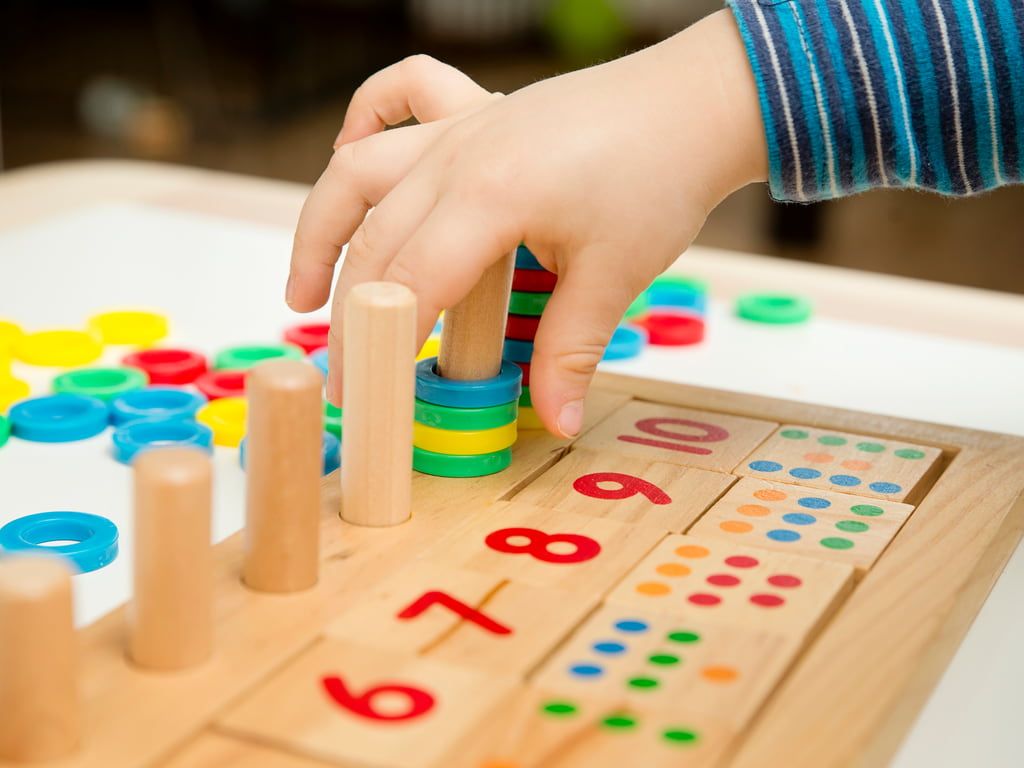
Numbers
Numbers are symbols or words that are used to represent the number of people, objects, or units.
A few examples of numbers are:

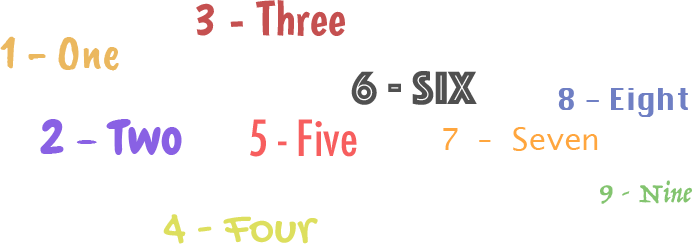
Numbers can also be represented using words such as
1 - One
2 - Two
3 - Three
4 - Four
And so on….
Download Free Printable Count And Circle The Correct Number (1- 10) Worksheet
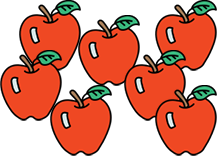
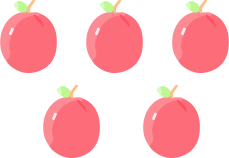
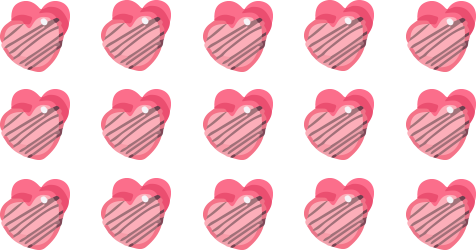
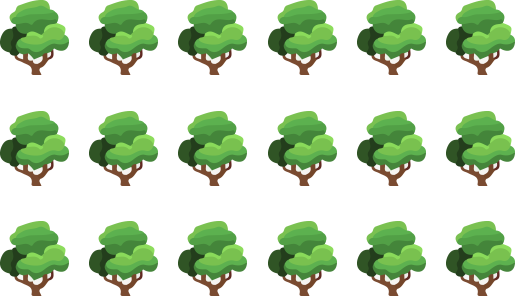
Count the number of fruits and circle the correct number that matches it.


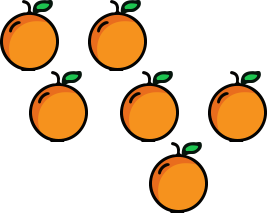
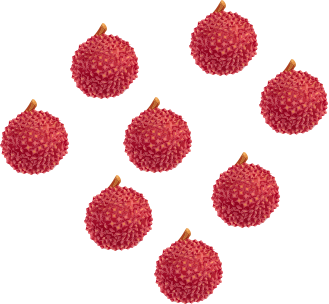
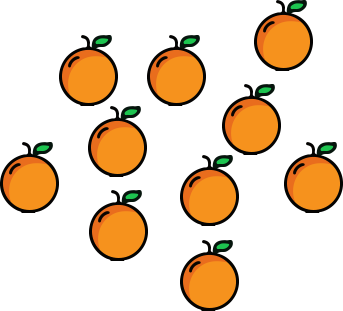
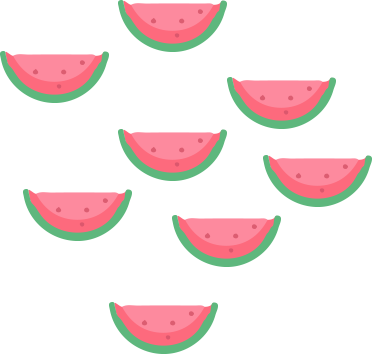


Download Free Printable Count And Circle The Correct Number (11- 20) Worksheet
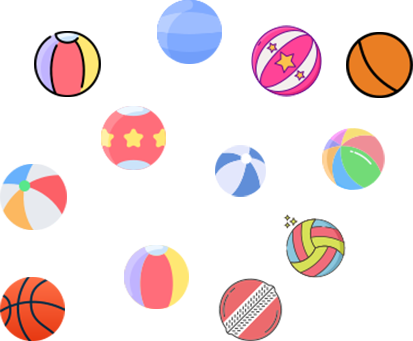
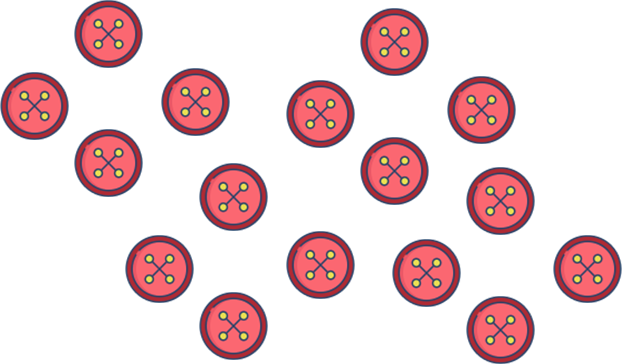
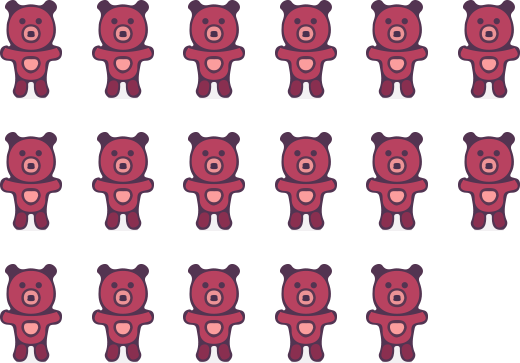
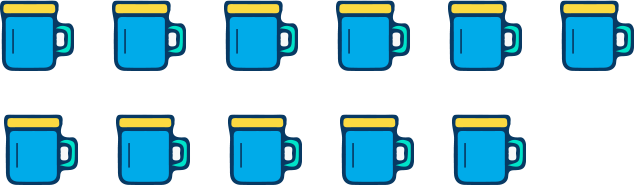
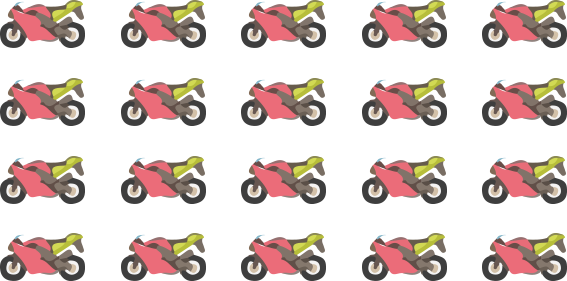
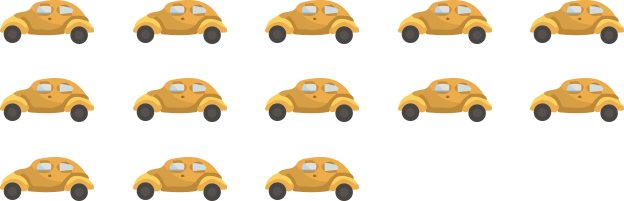
Count the different objects and circle the correct number that matches them.

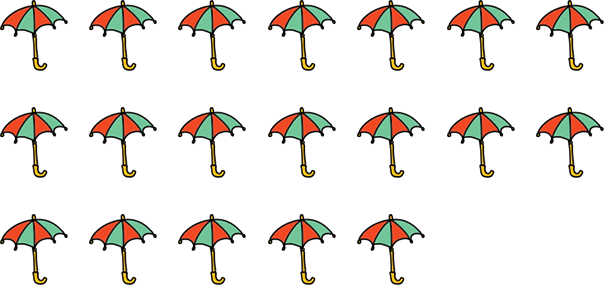
FAQs on Worksheets to Circle the Correct Number for Early Math Practice
1. What are Circle the Correct Number worksheets?
Circle the Correct Number worksheets are math practice sheets where students identify and circle the correct number from given options. These worksheets help learners:
- Recognize and compare numbers
- Match numbers to quantities
- Understand number value and counting
- Improve observation and decision-making skills
2. How do you solve a circle the correct number worksheet?
To solve a Circle the Correct Number worksheet, you count carefully and select the matching number from the given choices. Follow these steps:
- Count the objects or read the question carefully.
- Compare the count with the numbers provided.
- Circle the number that matches the correct quantity.
3. Why are Circle the Correct Number worksheets important for kids?
Circle the Correct Number worksheets are important because they build number recognition and counting accuracy in early learners. These worksheets help children:
- Identify numbers correctly
- Develop one-to-one correspondence
- Strengthen basic maths foundations
- Improve focus and visual discrimination
4. How do you help a child who struggles with number recognition?
To help a child struggling with number recognition, focus on repeated counting practice and visual support. Try these methods:
- Use number charts and flashcards.
- Practice counting everyday objects.
- Use hands-on tools like blocks or beads.
- Encourage tracing and writing numbers.
5. What skills do Circle the Correct Number worksheets develop?
Circle the Correct Number worksheets develop counting, comparison, and number sense skills. Specifically, they improve:
- Number identification
- Counting accuracy
- Matching quantities to numerals
- Basic problem-solving ability
6. What is the difference between counting and number recognition?
Counting is the process of determining quantity, while number recognition is the ability to identify and name numerals. For example:
- Counting: Touching 5 objects and saying “1, 2, 3, 4, 5.”
- Number recognition: Looking at the symbol 5 and knowing it represents five.
7. Can you give an example of a circle the correct number question?
An example of a Circle the Correct Number question is: Count the stars and circle the correct number. Suppose there are 4 stars and the options are 3, 4, 6.
- Count the stars: 1, 2, 3, 4.
- Identify the matching numeral.
- Circle 4.
8. At what age should children start using circle the correct number worksheets?
Children typically start using Circle the Correct Number worksheets at ages 3 to 6 years. These worksheets are suitable for:
- Preschool (basic counting 1–5)
- Kindergarten (numbers 1–10 or 1–20)
- Grade 1 (larger numbers and comparisons)
9. How can Circle the Correct Number worksheets improve counting accuracy?
Circle the Correct Number worksheets improve counting accuracy through repeated structured practice. They help by:
- Encouraging one-to-one correspondence (one object, one number)
- Reducing guessing through multiple-choice options
- Providing visual quantity comparison
10. What are common mistakes children make in circle the correct number worksheets?
Common mistakes in Circle the Correct Number worksheets include miscounting and confusing similar numerals. Typical errors are:
- Skipping objects while counting
- Counting the same object twice
- Confusing numbers like 6 and 9
- Guessing without counting carefully
