



When Is Halloween 2026 and Why Is It Celebrated?
Halloween 2026 will be celebrated on Saturday, October 31, 2026, in India and around the world. Celebrated every year on October 31, Halloween is known for colourful costumes, pumpkin lanterns, trick-or-treating, themed parties and spooky decorations.
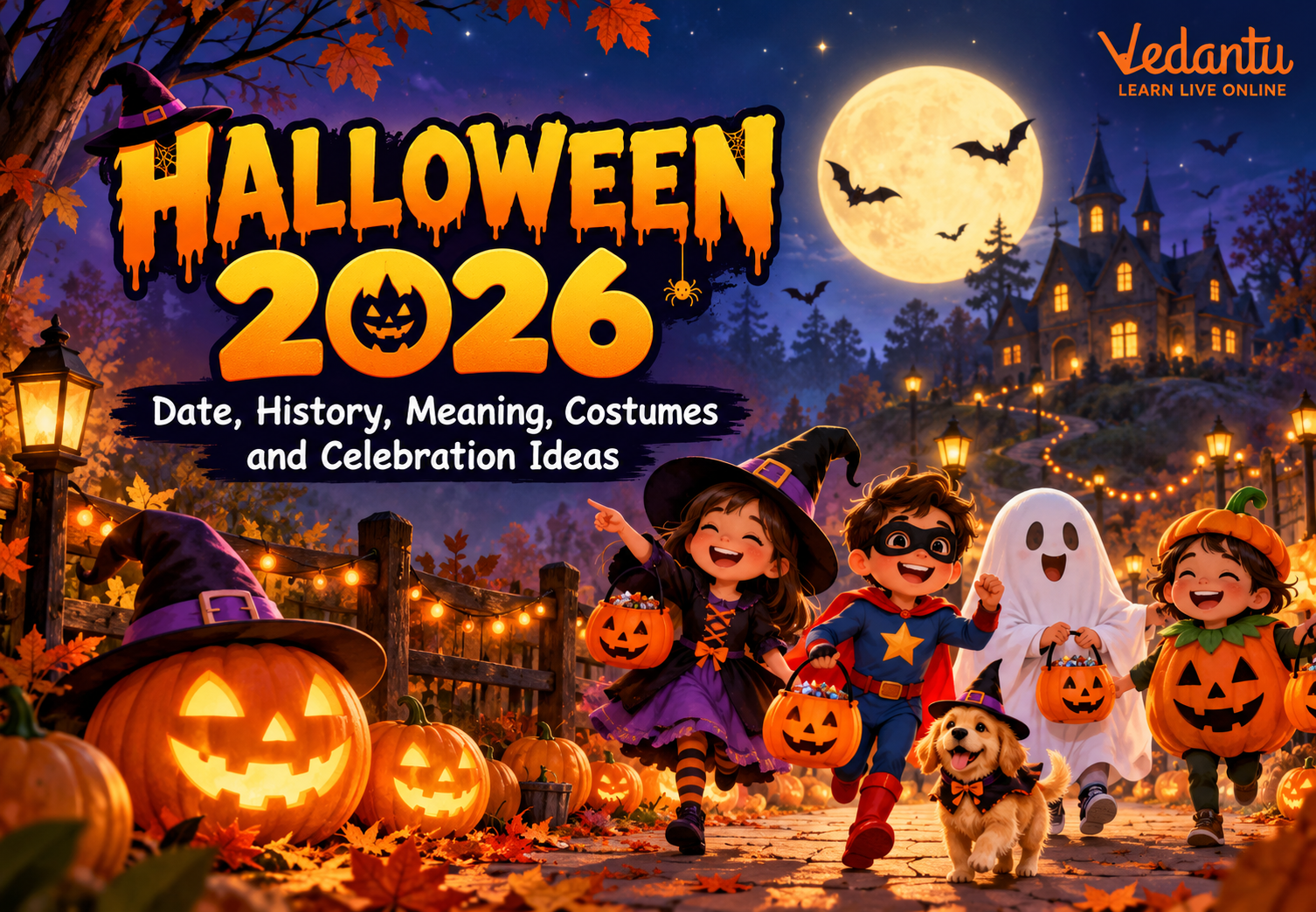
The festival has historical connections with the ancient Celtic celebration of Samhain and the Christian observance of All Hallows' Eve. Over time, Halloween developed into a popular cultural celebration enjoyed by families, children and communities.
Today, people celebrate Halloween through creative activities, storytelling, games and costume parties. Since Halloween falls on a Saturday in 2026, it also provides an opportunity for weekend celebrations.
Halloween 2026 Date and Important Facts
Halloween is celebrated on the same calendar date worldwide, although the traditions and activities differ between countries.
What Is Halloween and What Does Halloween Mean?
Halloween is an annual cultural observance celebrated on October 31, featuring costumes, decorations, games and traditions connected with historical beliefs about spirits and seasonal changes.
The word Halloween comes from All Hallows' Eve, meaning the evening before All Saints' Day, which is observed on November 1 in Western Christian traditions.
The word Hallow refers to a saint or holy person, while Eve means the evening before an occasion.
Halloween Meaning in Hindi
Halloween को हिंदी में हैलोवीन कहा जाता है। यह 31 अक्टूबर को मनाया जाने वाला उत्सव है, जिसमें लोग अलग-अलग वेशभूषा पहनते हैं, कद्दू से सजावट करते हैं और मनोरंजक गतिविधियों में भाग लेते हैं।
Halloween Meaning in Marathi
हॅलोवीन हा 31 ऑक्टोबर रोजी साजरा केला जाणारा उत्सव आहे. या दिवशी लोक विविध वेशभूषा परिधान करतात, भोपळ्यांची सजावट करतात आणि मजेदार कार्यक्रमांमध्ये सहभागी होतात.
History and Origin of Halloween
The history of Halloween developed through several cultural and religious influences over many centuries.
Ancient Celtic Festival of Samhain
One of Halloween's commonly cited historical influences is Samhain, an ancient Celtic seasonal festival observed in parts of Ireland and Britain.
Samhain marked the transition from the harvest season to winter. According to traditional beliefs, this period was associated with spirits and the boundary between the living and the dead.
Communities gathered around bonfires and shared seasonal stories. However, historians debate how directly these practices influenced modern Halloween customs.
All Hallows' Eve and Christian Traditions
Halloween also developed through its association with All Saints' Day on November 1 and All Souls' Day on November 2.
The evening before All Saints' Day became known as All Hallows' Eve, eventually shortened to Halloween.
Development of Modern Halloween
During the 19th century, Irish and Scottish immigrants brought various Halloween-related customs to North America.
Over time, costume parties, pumpkin carving, community gatherings and trick-or-treating became increasingly popular.
Today, Halloween is celebrated in many countries, often as a cultural occasion rather than a religious observance.
Why Is Halloween Celebrated on October 31?
Halloween is observed on October 31 because it is the evening before All Saints' Day in the Western Christian calendar.
The date also falls around the seasonal period traditionally associated with Samhain.
Why Halloween is celebrated today depends on cultural traditions and personal preferences. Some people remember its historical background, while others enjoy dressing up, decorating their homes and spending time with friends.
Halloween encourages imagination, creativity and community participation through activities that can be enjoyed by different age groups.
Popular Halloween Traditions and Their Meanings
Halloween celebrations include several customs that have developed over time.
Trick-or-Treating
Children dress in Halloween costumes and visit participating homes, asking for sweets by saying "Trick or treat!"
The modern custom may have been influenced by older European practices such as souling and guising. It became especially popular in North America during the 20th century.
Halloween Pumpkin and Jack-o'-Lanterns
A carved Halloween pumpkin with a glowing face is called a jack-o'-lantern.
The tradition is associated with Irish folklore about a character called Stingy Jack, who was said to carry a glowing ember inside a carved turnip.
When the custom spread to North America, pumpkins became popular because they were easier to carve.
Halloween Costumes
People wear costumes inspired by ghosts, witches, animals, superheroes and fictional characters.
Modern costume traditions developed through several historical influences involving disguises and festive performances.
Halloween Parties
A Halloween party may include costume competitions, themed snacks, storytelling, music and games.
Many schools and families organise age-appropriate celebrations to encourage creativity and participation.
Halloween Costume Ideas for Kids and Families
Choosing a Halloween costume is one of the most enjoyable activities associated with the festival.
Here are some simple and creative Halloween costume ideas.
Halloween Costumes for Kids
Halloween costumes for kids should be comfortable, easy to wear and suitable for their age.
Parents can create a Halloween dress for kids using available clothes, cardboard decorations and simple accessories.
Children may enjoy dressing as friendly ghosts, pumpkins, superheroes or favourite storybook characters.
For Halloween costumes for girls, popular choices include butterflies, witches, fairies and fictional heroes. Every child can choose whichever character they prefer.
Easy Halloween Makeup Ideas
Simple Halloween makeup can complete a costume without elaborate preparation.
Popular ideas include cat whiskers, a small pumpkin design, butterfly patterns and colourful stars.
For Halloween makeup for kids, use age-appropriate, skin-safe cosmetics. Avoid applying craft paint or irritating products to the face.
Halloween Decoration Ideas and Activities for Students
Halloween decorations can be created using inexpensive craft materials.
Some easy Halloween decoration ideas include:
Paper Bats: Cut black paper into bat shapes and arrange them on a wall.
Pumpkin Lanterns: Decorate pumpkins using paint or safe LED lights.
Paper Ghosts: Create hanging ghosts using white paper.
Spiderweb Crafts: Make decorative webs using string or paper.
Halloween Garland: Combine pumpkin, ghost and star cut-outs.
Fun Halloween Activities for Schools
Schools can organise creative activities that introduce students to the festival and its traditions.
Halloween Drawing: Students can draw pumpkins, friendly ghosts, witches' hats or haunted houses.
Costume Competition: Children can describe the characters represented by their outfits.
Halloween Quiz: Teachers can ask questions about the festival's date, history and symbols.
Storytelling: Students can share age-appropriate mystery stories or create their own imaginative tales.
Pumpkin Art: Children can draw or paint pumpkins instead of using sharp carving tools.
These activities help students practise creativity, communication and teamwork.
How Is Halloween Celebrated in India?
Halloween is celebrated on October 31 in India, just as it is elsewhere. However, it is not a traditional Indian festival or a nationwide public holiday.
Some schools, residential communities, restaurants and families organise costume parties, themed decorations and creative activities.
Halloween celebrations in India often focus on entertainment, art, storytelling and spending time together.
Families can participate according to their preferences without needing elaborate arrangements or expensive costumes.
Interesting Halloween Facts for Students
Halloween is celebrated every year on October 31.
Halloween 2026 falls on a Saturday.
The name Halloween comes from All Hallows' Eve.
Samhain is a commonly cited influence on Halloween's history.
Early jack-o'-lanterns were associated with carved turnips.
Orange and black are popular Halloween colours.
Trick-or-treating became widespread in North America during the 20th century.
Halloween costumes can be funny, imaginative or spooky.
Happy Halloween 2026 Wishes and Messages
Share these Happy Halloween wishes with friends and family.
"Happy Halloween 2026! Wishing you a day filled with fun, laughter and sweet surprises."
"May your Halloween be full of creative costumes, exciting games and wonderful memories."
"Happy Halloween! Enjoy a magical evening with friends and family."
"Wishing you a spooky but cheerful Halloween celebration!"
"May your pumpkin shine bright and your Halloween be full of happiness."
Conclusion: Celebrating Halloween 2026 With Creativity and Fun
Halloween 2026 falls on Saturday, October 31, bringing opportunities for costumes, pumpkin decorations, storytelling and community celebrations.
From its historical connections with Samhain and All Hallows' Eve to modern trick-or-treating and costume parties, Halloween reflects centuries of cultural change.
For students, it is also an opportunity to explore history, folklore, drawing and creative activities. Whether participating in a costume event or preparing decorations at home, Halloween can be celebrated safely and enjoyably.
Happy Halloween 2026!
FAQs on Halloween 2026: Date, Meaning, History, Traditions and Celebration Ideas
1. When is Halloween 2026?
Halloween 2026 will be celebrated on Saturday, October 31, 2026. The festival falls on October 31 every year.
2. Why is Halloween celebrated?
Halloween developed through traditions associated with Samhain, All Hallows' Eve and later community customs. Today, it is celebrated through costumes, decorations, games and gatherings.
3. What is Halloween?
Halloween is an annual cultural observance known for trick-or-treating, costumes, pumpkin lanterns and spooky-themed celebrations.
4. Why do we celebrate Halloween on October 31?
Halloween is celebrated on October 31 because it is All Hallows' Eve, the evening before All Saints' Day on November 1.
5. What is Halloween Day?
Halloween Day is the annual observance on October 31, when people participate in costume parties, pumpkin carving, games and other festive activities.
6. What is the Halloween festival known for?
Halloween is known for jack-o'-lanterns, trick-or-treating, creative costumes, ghost stories and themed decorations.
7. Halloween kab hai in 2026?
Halloween 2026 31 October, Saturday ko hai. यानी हैलोवीन 2026 शनिवार, 31 अक्टूबर को मनाया जाएगा।
8. What are some easy Halloween costume ideas for kids?
Children can dress as pumpkins, friendly ghosts, black cats, wizards or storybook characters using simple clothing and homemade accessories.
9. Why do people carve pumpkins on Halloween?
Pumpkin carving developed from older lantern-making traditions associated with Irish folklore. Carved turnips were used historically before pumpkins became popular in North America.
10. Is Halloween 2026 a public holiday in India?
No. Halloween is not a nationwide public holiday in India, although some schools, families and communities organise celebrations.
11. What activities can students do on Halloween?
Students can participate in drawing competitions, costume parades, craft activities, quizzes and age-appropriate storytelling sessions.
12. What are some popular Halloween decorations?
Common decorations include paper bats, pumpkins, friendly ghosts, spiderwebs, lanterns and orange-and-black garlands.


