What Is World Pasta Day 2026 and Why Is It Celebrated?
World Pasta Day 2026 will be celebrated on Sunday, 25 October, bringing together pasta lovers, families, chefs and communities worldwide. The day recognises pasta as a widely enjoyed food and celebrates its history, cultural importance, versatility and place in balanced diets. From spaghetti and penne to macaroni and ravioli, pasta is prepared in different ways across the world.
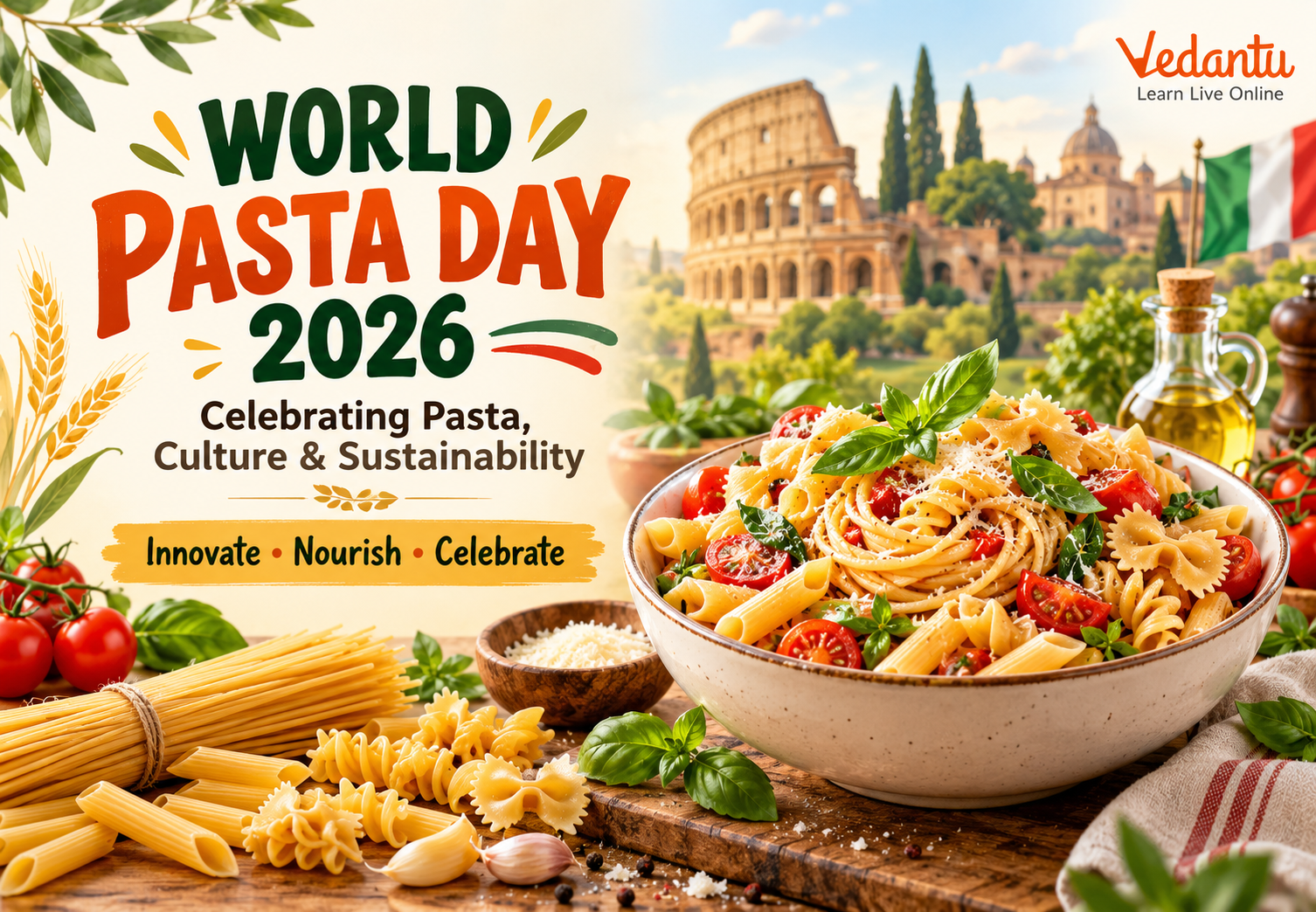
In 2026, World Pasta Day also highlights the future of pasta production, with international discussions focusing on innovation, sustainability and stronger food supply chains. The major industry event will take place in Parma, Italy, on 27–28 October, although World Pasta Day itself remains 25 October.
For students and families, the occasion is an opportunity to explore different pasta dishes, learn about food cultures, reduce food waste and enjoy preparing meals together.
World Pasta Day 2026: Date and Key Facts
The international conference is an industry event, while World Pasta Day is an annual observance celebrated worldwide by anyone interested in pasta and food culture.
History and Origin of World Pasta Day
The history of World Pasta Day dates back to the World Pasta Congress held in Rome on 25 October 1995.
Pasta producers and industry representatives from different countries came together to discuss pasta's importance as an affordable, convenient and widely enjoyed food.
The gathering encouraged international recognition of pasta's culinary and cultural significance.
World Pasta Day was first celebrated in 1998, with the inaugural celebration held in Naples, Italy. Since then, 25 October has been observed annually as World Pasta Day.
The International Pasta Organisation, established later, now plays an important role in promoting pasta culture and coordinating related international activities.
World Pasta Day: Important Historical Milestones
The history of World Pasta Day shows how a popular food can bring different cultures and communities together.
What Is the Theme of World Pasta Day 2026?
World Pasta Day 2026 focuses on innovation, sustainability and the future of the global pasta industry. The international programme highlights how improved production technology, responsible resource use and cooperation across food supply chains can support the future of pasta.
The organisers have not identified one universal official slogan for 2026 in the reviewed materials. Instead, the focus is reflected in the discussions and activities planned for the international event.
What Does the World Pasta Day 2026 Focus Mean?
The important areas include:
Innovation in Pasta Production: Using improved food-processing technology, research and modern equipment to make production more efficient.
Sustainable Food Practices: Reducing waste and using water, energy and other resources responsibly.
Stronger Supply Chains: Improving cooperation between farmers, manufacturers, transport providers and retailers.
Food Culture and Nutrition: Understanding pasta's role in traditional cuisines and balanced meals.
Sharing Knowledge: Bringing together food experts, producers and researchers to discuss challenges and solutions.
For students, the message is simple: the food we enjoy depends on farmers, natural resources, technology and the people involved in bringing it to our plates.
World Pasta Day 2026 Celebrations in Parma, Italy
A major highlight of 2026 is the international World Pasta Day event being held in Parma, Italy, for the first time.
The event is organised by Unione Italiana Food and the International Pasta Organisation (IPO) and takes place at Fiere di Parma alongside Cibus Tec, an exhibition dedicated to food technology.
The programme includes discussions on the global durum wheat market, the international pasta market, innovation, industry challenges and the future of pasta production.
The conference highlights pasta's cultural importance while exploring how the industry can adapt to changing food needs and sustainability challenges.
Important: The Parma conference is not the same as the annual observance date. People around the world can celebrate World Pasta Day on 25 October.
Why Is World Pasta Day Important?
World Pasta Day celebrates more than a popular dish. It highlights the connections between food, culture, nutrition, agriculture and responsible consumption.
1. Celebrating Global Food Culture
Pasta is enjoyed in many countries, with different regions developing their own sauces, ingredients and cooking traditions.
The festival encourages people to explore these differences and appreciate food as part of cultural heritage.
2. Learning About Nutrition
Pasta is primarily a source of carbohydrates, which provide energy for the body.
It can be included in a balanced meal alongside vegetables, beans, lean protein and other nutritious ingredients.
Whole-wheat pasta also provides dietary fibre, while the nutritional value of a pasta meal depends on the ingredients, serving size and preparation method.
3. Encouraging Sustainable Food Choices
World Pasta Day reminds people to use food responsibly.
Planning meals, cooking suitable portions, using leftover ingredients and storing food safely can help reduce unnecessary waste.
4. Appreciating Farmers and Food Workers
Pasta production involves farmers, food manufacturers, transport workers, retailers and cooks.
The celebration recognises the contribution of these people to everyday meals.
5. Bringing Families and Communities Together
Preparing and sharing pasta dishes provides opportunities for people to spend time together, explore recipes and learn about different traditions.
Popular Types of Pasta and Their Uses
Pasta comes in different shapes and sizes. Each shape can be paired with sauces and ingredients that suit its texture.
Trying different pasta varieties is a fun way for students to explore shapes, textures and food preparation.
How Is World Pasta Day Celebrated Around the World?
World Pasta Day is celebrated through food-related activities in homes, restaurants, schools and communities.
Common celebrations include:
Cooking and Tasting Events: Families and community groups prepare different pasta dishes and share recipes.
Restaurant Celebrations: Restaurants may introduce special pasta menus or organise tasting events.
Recipe-Sharing Activities: People exchange traditional family recipes or experiment with new combinations.
Educational Workshops: Schools and food organisations discuss pasta history, nutrition and food sustainability.
Online Celebrations: Pasta lovers share recipes, pictures and cooking ideas through social media.
Student Competitions: Schools organise posters, quizzes, presentations or creative food projects.
These activities help people enjoy the occasion while learning about the cultural significance of pasta.
How Can Students Celebrate World Pasta Day 2026?
Students can participate in simple activities that combine learning, creativity and food awareness.
Pasta Shape Identification Activity
Collect pictures of different pasta shapes and learn their names.
Students can compare spaghetti, penne, fusilli, farfalle and macaroni while discussing why different shapes are used in cooking.
Food Culture Presentation
Prepare a short presentation about pasta dishes from Italy and other countries.
Explain how ingredients, sauces and cooking styles differ across regions.
World Pasta Day Poster Competition
Create a colourful poster highlighting World Pasta Day 2026 and its focus on innovation and responsible food choices.
Suggested poster ideas include:
Celebrate Food, Respect Every Meal
Pasta Brings Cultures Together
Cook Smart, Waste Less
Enjoy Pasta, Protect Resources
Sustainable Cooking Activity
With adult supervision, prepare a simple pasta dish using seasonal vegetables and ingredients already available at home.
Students can learn how planning portions and using suitable leftovers help reduce food waste.
Pasta History Quiz
Organise a classroom quiz covering the origin of World Pasta Day, its annual date, the 1995 World Pasta Congress and different pasta varieties.
How Can We Celebrate World Pasta Day Sustainably?
Celebrating World Pasta Day responsibly is a practical way to connect food enjoyment with environmental awareness.
A few useful habits include:
Plan the number of servings before cooking.
Use seasonal vegetables and locally available ingredients when practical.
Store uncooked pasta according to the package instructions.
Refrigerate cooked leftovers promptly and use them within safe storage periods.
Reuse suitable ingredients instead of discarding them unnecessarily.
Avoid preparing excessive amounts of food for small gatherings.
Learn how farmers and manufacturers can reduce water, energy and material waste.
Small changes in food habits can help reduce waste while making everyday meals more thoughtful.
Inspiring World Pasta Day 2026 Quotes and Slogans
Here are some original World Pasta Day quotes and slogans suitable for school posters, captions and celebrations.
"Every pasta shape tells a story of food and culture."
"Celebrate pasta, appreciate the people who make it possible."
"Good food brings people together."
"A little creativity can turn a simple pasta dish into something special."
"Enjoy your meal, respect every ingredient."
"Cook with care, share with joy and waste less."
"From farms to forks, every ingredient matters."
"Pasta is a delicious way to explore cultures around the world."
These are suggested educational and celebration messages, not quotations attributed to celebrities or official World Pasta Day organisers.
Sample 10-Line Speech on World Pasta Day 2026
Good morning, everyone! Today, I am going to speak about World Pasta Day 2026.
World Pasta Day is celebrated every year on 25 October.
The day honours pasta as a popular food enjoyed in many countries.
World Pasta Day was first celebrated in 1998.
Pasta comes in many shapes, including spaghetti, penne and macaroni.
The 2026 celebrations highlight innovation and sustainable food production.
Pasta can be part of a balanced meal when combined with nutritious ingredients.
We should appreciate the farmers, food workers and cooks who prepare our meals.
Let us enjoy different food cultures while reducing unnecessary food waste.
Thank you, and Happy World Pasta Day 2026!
Reflect and Participate
World Pasta Day encourages us to explore food traditions and think about how everyday choices affect the environment.
Students can write a short speech about the significance of World Pasta Day, prepare a poster about reducing food waste, explore a new pasta recipe or discuss how food brings families and communities together.
Families can organise a simple pasta cooking activity, compare dishes from different countries or prepare a meal using seasonal ingredients.
To learn more about related food and sustainability observances, explore World Vegetarian Day, International Coffee Day and World Food Day.
World Pasta Day 2026: Celebrating Food, Culture and Sustainability
World Pasta Day 2026, observed on 25 October, celebrates pasta's history, variety and importance in food cultures around the world.
The 2026 international event in Parma also draws attention to innovation, sustainability and the future of pasta production.
Whether through cooking, sharing recipes, school activities or learning about different cuisines, World Pasta Day is an opportunity to appreciate food and the people who help produce it.
Happy World Pasta Day 2026!
FAQs on World Pasta Day 2026: Date, Theme, Significance and Celebration Ideas
1. When is World Pasta Day 2026?
World Pasta Day 2026 will be celebrated on Sunday, 25 October. The occasion is observed annually on the same date worldwide.
2. What is the theme of World Pasta Day 2026?
World Pasta Day 2026 focuses on innovation, sustainability and the future of pasta production. The reviewed official event materials do not establish a single universal slogan for 2026.
3. Why is World Pasta Day celebrated?
World Pasta Day celebrates the history, cultural significance, variety and global popularity of pasta. It also encourages people to appreciate food traditions and responsible food choices.
4. Who started World Pasta Day?
World Pasta Day grew from an initiative discussed at the World Pasta Congress in Rome on 25 October 1995. It was first celebrated in 1998, before the International Pasta Organisation was established.
5. Where was World Pasta Day first celebrated?
The first World Pasta Day celebration was held in Naples, Italy, in 1998.
6. Where is the World Pasta Day 2026 international event taking place?
The international event will be held at Fiere di Parma in Parma, Italy, on 27–28 October 2026, alongside Cibus Tec.
7. Is World Pasta Day celebrated on 25 or 27 October in 2026?
World Pasta Day itself is celebrated on 25 October. The related international pasta industry conference takes place on 27 and 28 October.
8. How is World Pasta Day celebrated?
People celebrate by preparing pasta recipes, attending cooking events, sharing meals, organising school activities and learning about global food cultures.
9. Is pasta healthy to eat?
Pasta can be part of a balanced diet. It provides carbohydrates for energy, and a meal with vegetables and suitable protein sources can offer a wider range of nutrients. Portion sizes and overall dietary needs also matter.
10. What are the most popular types of pasta?
Common pasta varieties include spaghetti, penne, fusilli, farfalle, macaroni, lasagne, ravioli and fettuccine.
11. How can students celebrate World Pasta Day?
Students can participate in poster-making, pasta shape identification, food-culture presentations, quizzes and supervised cooking activities.
12. What is a good slogan for World Pasta Day 2026?
A suitable original slogan is "Celebrate Pasta, Respect Every Ingredient." Another option is "Good Food, Less Waste, Better Tomorrow." These are suggested slogans, not official campaign themes.
13. How is World Pasta Day connected with sustainability?
The observance provides an opportunity to discuss reducing food waste, responsible resource use, improved food production and sustainable meal preparation.