




What Is the Difference Between Heart Rate and Pulse Rate in Humans
When learning about human physiology, understanding the difference between heart rate and pulse rate is essential. Although these two terms are often used interchangeably, they offer unique perspectives on how our cardiovascular system functions. This guide, designed especially for students from grade school onwards, explains the concept in simple terms, integrates key details from various angles, and includes some unique insights not found elsewhere.
What are Heart Rate and Pulse Rate?
Heart Rate: This is the number of times your heart beats in one minute. A typical resting heart rate for an adult is between 60 and 100 beats per minute. Factors such as age, fitness, and overall health influence this number. For example, normal heart rate by age varies: younger individuals often have faster heart rates compared to older adults.
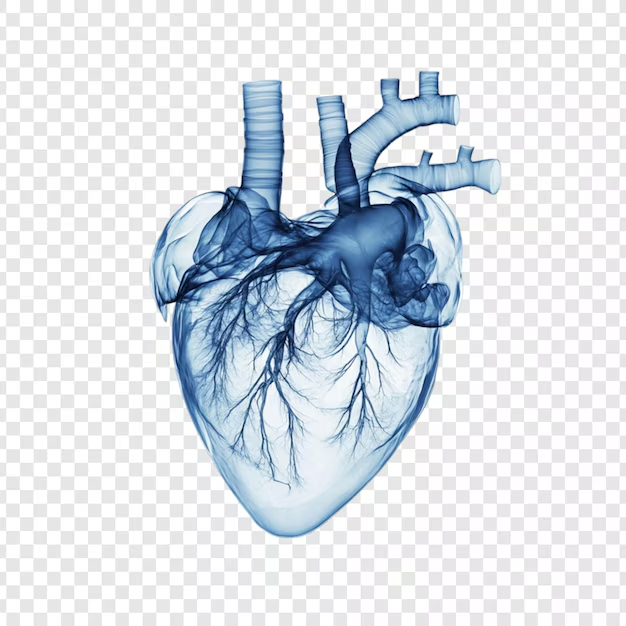
Pulse Rate: Pulse rate is defined as the number of arterial pulsations felt in one minute. It essentially mirrors your heart rate because each contraction of the heart pushes blood through the arteries, creating a pulse that can be felt at various points on your body – like your wrist, neck, elbow, or even the top of your foot. This is why checking the heart rate and pulse rate normal range can indicate overall cardiovascular health.

While the difference between heartbeat and pulse rate class 7 might seem minimal, understanding the location and method of measurement can offer additional insights into circulatory health. For example, checking your pulse on your wrist is a quick way to estimate your heart’s performance.
Methods to Measure Your Pulse
To accurately measure your pulse rate:
Place your index and middle finger on an artery (commonly on the wrist or neck).
Count the pulsations for 60 seconds.
Compare the reading with the normal pulse rate of 60-100 beats per minute.
Fitness enthusiasts or athletes might have a resting pulse closer to 40, reflecting their excellent cardiovascular conditioning.
How Medications and Health Conditions Affect Heart Rate
Certain medications can lower the heart rate to manage conditions such as irregular heartbeats, high blood pressure, and angina (chest pain). Always consult your healthcare provider if you wonder, what is a dangerous heart rate for you, especially if you notice unexpected changes.
Also, read: Heart Diseases
Additional Points
Difference between Heart Rate and Blood Pressure: While heart rate measures the frequency of heartbeats, blood pressure measures the force of blood against artery walls. These are distinct but interconnected indicators of cardiovascular health.
Difference between Heart Rate and Pulse Rate PPT / in Hindi: For visual learners or students who prefer their native language, numerous presentations and materials explain the difference between heart rate and pulse rate in hindi. These resources make it easier for students to grasp the concepts without language barriers.
Understanding Normal Ranges: The heart rate and pulse rate normal range vary based on activity levels, emotional states, and age. For instance, while a resting adult’s pulse is normally between 60 and 100 beats per minute, children have a naturally higher rate.
Real-World Applications
Understanding these metrics has practical applications:
Fitness and Exercise: Monitoring your normal pulse rate during exercise can help tailor workouts for optimal cardiovascular benefit.
Medical Diagnosis: Health professionals use the difference between heart rate and blood pressure to diagnose and manage heart-related illnesses.
Daily Health Monitoring: Being aware of normal heart rate by age ensures you can spot anomalies early and seek medical advice if necessary.
Educational Tools: Teachers often use difference between heartbeat and pulse rate class 7 materials to educate young students about basic human biology, while presentations like difference between heart rate and pulse rate ppt provide detailed overviews for more advanced studies.
Fun Facts about Heart Rate and Pulse Rate
The Heart’s Marathon: On average, the human heart beats about 100,000 times a day, pumping approximately 5.5 litres of blood!
Athletic Advantage: Well-trained athletes can have a resting heart rate as low as 40 beats per minute, demonstrating exceptional cardiovascular efficiency.
Ancient Practices: Ancient physicians used the pulse as a primary diagnostic tool long before modern technology existed, highlighting its timeless importance.
Related Links
Learn about the Human Heart: Heart Anatomy and Function


FAQs on Difference Between Heart Rate and Pulse Rate Explained Clearly
1. What is the difference between heart rate and pulse rate?
The heart rate is the number of times the heart beats per minute, while the pulse rate is the number of pressure waves felt in an artery per minute due to heartbeats.
- Heart rate is measured directly from the heart using a stethoscope or ECG.
- Pulse rate is measured at peripheral arteries like the wrist (radial artery) or neck (carotid artery).
- In healthy individuals, heart rate and pulse rate are usually equal.
2. Are heart rate and pulse rate always the same?
No, heart rate and pulse rate are usually the same but may differ in certain medical conditions.
- In healthy people, each heartbeat produces one pulse wave.
- In conditions like arrhythmia or weak heart contractions, some heartbeats may not produce a detectable pulse.
- This difference is called a pulse deficit.
3. What is heart rate in simple terms?
The heart rate is the number of times the heart contracts or beats in one minute.
- It is measured in beats per minute (BPM).
- It reflects how fast the heart pumps blood.
- Normal resting heart rate for adults ranges from 60–100 BPM.
4. What is pulse rate in biology?
The pulse rate is the number of rhythmic expansions of an artery per minute caused by heart contractions.
- Each pulse corresponds to one heartbeat.
- It is commonly felt at the radial artery (wrist) or carotid artery (neck).
- It indicates how effectively blood is being pumped through arteries.
5. How is heart rate measured?
The heart rate is measured by counting the number of heartbeats per minute using medical or manual methods.
- Using a stethoscope to listen to heart sounds.
- Using an electrocardiogram (ECG) to record electrical activity of the heart.
- Using a heart rate monitor or smartwatch.
6. How do you measure pulse rate?
The pulse rate is measured by feeling an artery and counting the number of pulses per minute.
- Place two fingers on the radial artery at the wrist.
- Count the beats for 60 seconds (or 30 seconds and multiply by 2).
- The total gives the pulse rate in beats per minute (BPM).
7. Why can pulse rate be different from heart rate?
The pulse rate can be lower than the heart rate if some heartbeats do not produce strong enough blood flow to create a pulse wave.
- This may occur in arrhythmias like atrial fibrillation.
- Weak ventricular contractions may fail to open the aortic valve effectively.
- The difference between the two rates is called a pulse deficit.
8. What is the normal heart rate and pulse rate for adults?
The normal resting heart rate and pulse rate for healthy adults is typically 60–100 beats per minute.
- Well-trained athletes may have a resting rate below 60 BPM.
- Rates above 100 BPM are called tachycardia.
- Rates below 60 BPM (in non-athletes) are called bradycardia.
9. What factors affect heart rate and pulse rate?
Several physiological and environmental factors influence heart rate and pulse rate.
- Physical activity increases both rates.
- Stress and emotions stimulate the sympathetic nervous system.
- Body temperature, hormones (like adrenaline), and fitness level also affect them.
- Age and certain medical conditions can alter normal values.
10. What is pulse deficit in relation to heart rate and pulse rate?
A pulse deficit is the difference between the heart rate and the pulse rate when some heartbeats fail to produce a palpable pulse.
- It occurs when ventricular contractions are too weak to generate sufficient arterial pressure.
- Commonly seen in atrial fibrillation and other arrhythmias.
- It is detected by comparing heart sounds (apical rate) with the peripheral pulse.



