



What is the significance of World Soil Day and why do we celebrate it?
World Soil Day is observed annually on December 5th to highlight the vital role of healthy soil in sustaining life on Earth. This important international day, recognized by the United Nations, encourages people, especially students and young leaders, to reflect on the significance of soil conservation for our environment and future generations.
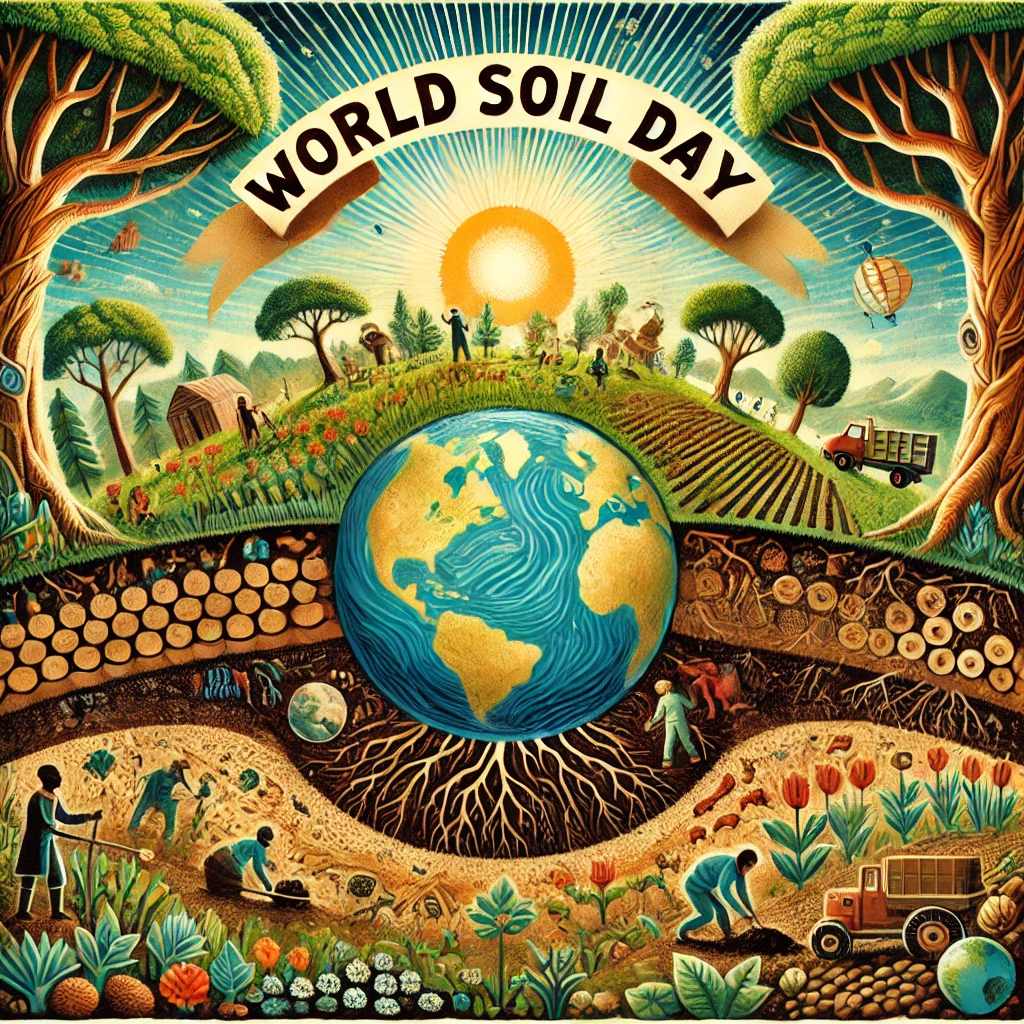
What & When: World Soil Day 2025 Explained
Building from its environmental focus, World Soil Day in 2025 will be observed on December 5, uniting communities worldwide. On this day, educators, students, farmers, and policymakers recognize the importance of soil health for food security, ecosystem balance, and combating climate change.
History and Cultural Context of World Soil Day
Continuing from its 2025 focus, it is important to understand how World Soil Day began and evolved globally. The day originated from the International Union of Soil Sciences, with the first official World Soil Day observed in 2014, following adoption by the United Nations General Assembly. The choice of December 5 commemorates the birthday of the late King Bhumibol Adulyadej of Thailand, who was a passionate advocate for soil science and conservation.
Significance of World Soil Day for Students
Linking historical roots to present impact, World Soil Day emphasizes why soil matters for young learners. Healthy soil is crucial for growing nutritious food, supporting biodiversity, and filtering water. By understanding soil’s functions, students gain insight into sustainable agriculture, responsible consumption, and the importance of environmental stewardship in daily life.
World Soil Day 2025 Theme and Key Activities
Extending its student-centered relevance, the official theme for World Soil Day 2025 guides celebrations worldwide. Each year, the Food and Agriculture Organization (FAO) selects a unique theme to address current soil challenges and promote positive action. The theme typically encourages protection against soil erosion, enhancement of soil biodiversity, or reduced soil pollution. Watch for the FAO’s official announcement for 2025 closer to the date for the specific slogan and design.
Customs and Rituals: How World Soil Day is Marked
Building on the annual theme, World Soil Day is observed in diverse ways around the world. Schools and colleges often organize seminars, quizzes, poster competitions, and awareness walks. Farmers, scientists, and policymakers may join field demonstrations and tree planting drives. These rituals aim to foster respect for soil, share practical conservation practices, and inspire youth to safeguard the planet’s future.
Poster Making: Students creatively illustrate the importance of soil.
Workshops: Schools host expert-led discussions on soil health and conservation techniques.
Soil Testing: Classes may conduct simple experiments to observe soil properties and fertility.
Plantation Drives: Students plant saplings, promoting greenery and healthier soils.
Interactive Quizzes: Teams showcase their knowledge about soils, agriculture, and the environment.
Regional Celebrations Across India
Moving from school activities to a broader perspective, World Soil Day is observed across India with unique local flavors. In Punjab and Haryana, agricultural universities hold soil health camps for farmers, while states like Karnataka, Tamil Nadu, and Andhra Pradesh launch mass tree planting and organic farming initiatives. Some regions refer to it as “Mitti Diwas” and focus on traditional practices, emphasizing native soil conservation methods. In tribal areas, students and elders come together for soil art and indigenous knowledge sessions, ensuring inclusivity in awareness.
Tips & Etiquette for Celebrating World Soil Day Responsibly
After exploring regional observances, practicing sustainability is essential for meaningful celebration. Prioritize safety and environmental impact while participating in World Soil Day events.
Use eco-friendly materials (posters, banners, paints) in activities.
Respect local customs and seek permission before organizing events in communities or schools.
Prioritize safety during plantation drives—use gloves and handle saplings carefully.
Promote inclusivity by involving everyone, regardless of background or ability.
Balance event participation with studies; plan activities so they do not disrupt your academic schedule.
How Students Can Participate in World Soil Day 2025
After following tips for an eco-friendly celebration, students can take action to make World Soil Day impactful. Participation can be individual or in groups, in schools or local communities, both offline and online.
Join or organize poster/essay/speech competitions on soil conservation.
Participate in local plantation or cleanliness drives.
Start a school or college campaign encouraging peers to reduce soil pollution.
Conduct simple soil tests or observe soil organisms in your area.
Share photos, videos, or awareness messages on social media using the official 2025 theme and hashtags.
Connect with local experts or NGOs working on soil health and amplify their initiatives.
Quick Recap and Key Takeaways
Wrapping up, World Soil Day 2025 is a global call-to-action for conserving the Earth beneath our feet. By learning, spreading awareness, and making responsible choices, every student can contribute to a healthier, greener planet while supporting academic and social development.
Related Articles
Here are some useful links related to this topic.
Mahaparinirvana Diwas (6 Dec) – Learn why Dr. Ambedkar’s teachings are celebrated on this day.
Armed Forces Flag Day (7 Dec) – Understand India's celebration of military service.
International Anti-Corruption Day (9 Dec) – Discover why eliminating corruption is essential for growth.
Human Rights Day (10 Dec) – Learn how this day supports dignity and equality.
FAQs on World Soil Day 2025: History, Theme, Importance & Ways to Celebrate
1. What is World Soil Day?
World Soil Day is celebrated annually on December 5th to raise global awareness about the importance of healthy soil and to promote sustainable management of soil resources. The United Nations Food and Agriculture Organization (FAO) initiated this day to highlight how soil health is essential for food security, biodiversity, and climate regulation.
2. When is World Soil Day 2025 observed?
World Soil Day 2025 will be observed on December 5, 2025, continuing the annual tradition of celebrating soil’s importance to life on Earth.
3. What is the theme of World Soil Day 2025?
The official theme for World Soil Day 2025 will be announced by the FAO closer to the date. Each year’s theme addresses a critical soil-related challenge, such as soil erosion, soil biodiversity, or soil pollution. Visit trusted sources for the most current updates when the 2025 theme is published.
4. Why is World Soil Day celebrated?
World Soil Day is celebrated to emphasize the essential role of healthy soils in supporting crops, forests, biodiversity, and climate resilience. Key reasons include:
- Promoting awareness about soil conservation and sustainable management
- Highlighting the link between healthy soil and food security
- Encouraging initiatives to prevent soil pollution and erosion
5. Who started World Soil Day and why?
The concept of World Soil Day was proposed by the International Union of Soil Sciences (IUSS) in 2002 and officially adopted by the United Nations Food and Agriculture Organization (FAO) in 2013. It was created to draw global attention to the need for healthy soil and to advocate for sustainable soil management worldwide.
6. What is the significance of soil conservation?
Soil conservation is crucial because it maintains soil fertility, prevents erosion, and supports ecosystem biodiversity. Without proper conservation, soils can become degraded, reducing agricultural productivity and threatening food security and environmental balance.
7. How do we celebrate World Soil Day in schools?
Schools celebrate World Soil Day with:
- Poster-making and drawing competitions featuring soil themes
- Classroom discussions and presentations on soil conservation
- Tree or seed planting activities
- Organizing quizzes and essay writing contests about soil and the environment
8. When was the first official World Soil Day observed?
The first official World Soil Day was observed on December 5, 2014, following its endorsement by the United Nations General Assembly in 2013.
9. How can students contribute to protecting soil health?
Students can support soil health by:
- Participating in tree planting and garden projects
- Reducing waste and recycling organic matter as compost
- Raising awareness through posters, campaigns, and essays
- Learning about sustainable farming and soil-friendly practices
10. Where can I download World Soil Day posters or banners?
You can download World Soil Day posters, banners, and printable slogans from this page’s downloadable resources section. These materials are ideal for school projects, community campaigns, and increasing awareness about soil conservation.
11. What are some slogans and quotes for World Soil Day?
Popular World Soil Day slogans and quotes include:
- “Save Soil, Save Life.”
- “Healthy Soil, Healthy Life.”
- “Don’t treat soil like dirt!”
- “Be loyal to the soil.”
12. What are the main causes of soil pollution?
The main causes of soil pollution include:
- Excessive use of chemical fertilizers and pesticides
- Industrial waste and improper disposal of chemicals
- Deforestation and erosion
- Urbanization and improper waste management



