



Choti Diwali Kab Hai 2026 – 7 or 8 November?
Choti Diwali 2026 is commonly celebrated on Saturday, 7 November, while Narak Chaturdashi Abhyang Snan falls on Sunday, 8 November 2026. According to Drik Panchang, Kali Chaudas is observed on 7 November, and the traditional early-morning Narak Chaturdashi bath takes place on 8 November.
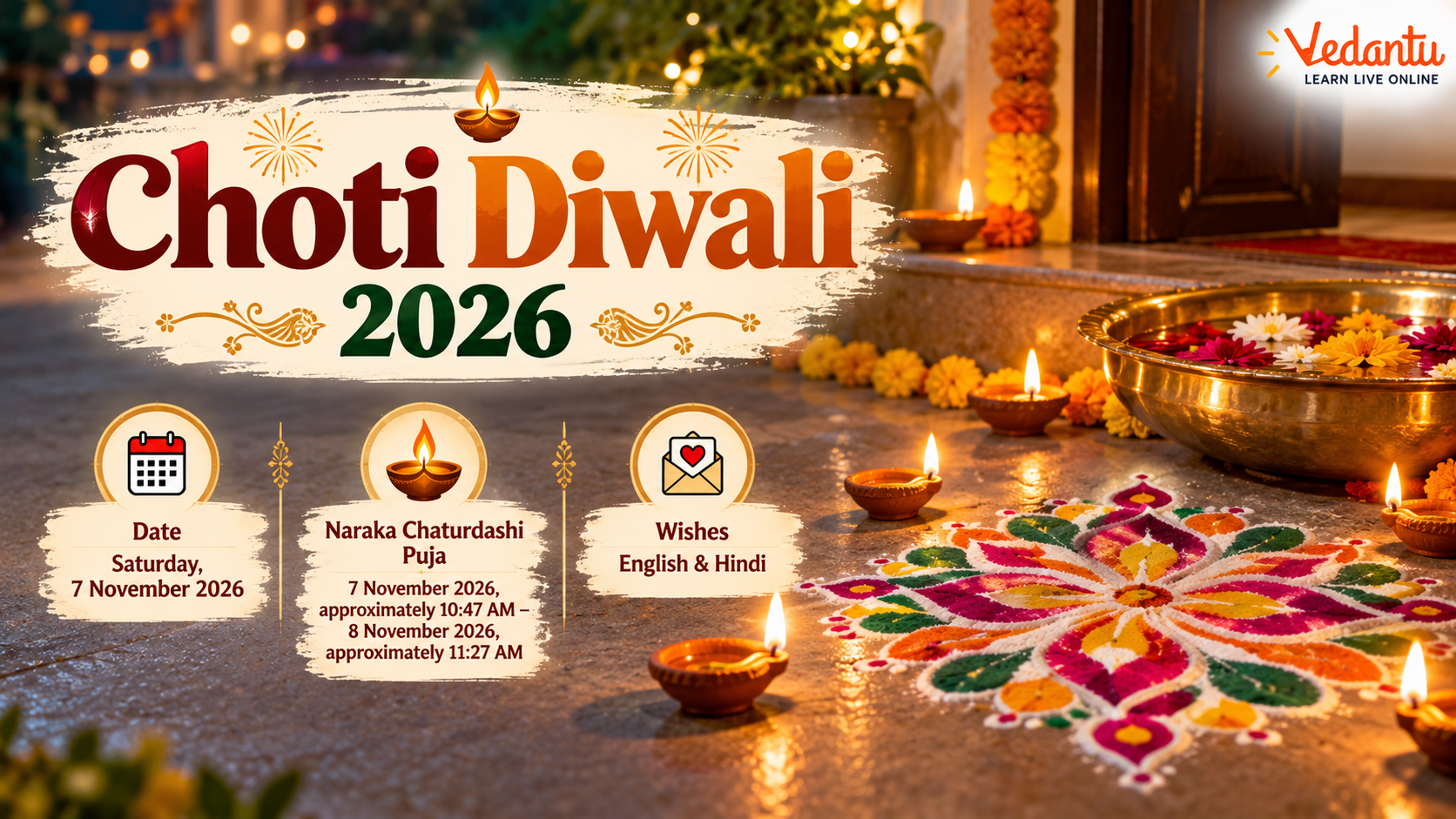
The Chaturdashi Tithi begins at 10:47 AM on 7 November and ends at 11:27 AM on 8 November. In New Delhi, the Abhyang Snan Shubh Muhurat is from 5:41 AM to 6:38 AM on 8 November.
Choti Diwali, also called Chhoti Diwali or Narak Chaturdashi in many regions, is associated with Lord Krishna's victory over Narakasura. Families celebrate with traditional prayers, diyas, sweets, oil baths and festive decorations.
Why Is Choti Diwali 2026 Celebrated on 7 or 8 November?
The confusion about the Choti Diwali date comes from different religious observances following different timings of Chaturdashi Tithi.
7 November 2026 (Saturday): Kali Chaudas is observed when Chaturdashi Tithi is present during the late-night period. It is especially associated with regional traditions in Gujarat.
8 November 2026 (Sunday): Narak Chaturdashi Abhyang Snan takes place before sunrise. It is an important tradition in Maharashtra and several South Indian communities.
In everyday usage, Choti Diwali often refers to the day before Badi Diwali. However, Kali Chaudas and Narak Chaturdashi have different ritual timing rules and may fall on separate calendar dates.
For Choti Diwali 2026, 7 November is a commonly used festival date, while 8 November is the Narak Chaturdashi morning observance date according to Drik Panchang for New Delhi.
Choti Diwali 2026 Puja Muhurat, Tithi and Abhyang Snan Timings
Choti Diwali puja timings depend on the specific ritual. Kali Chaudas worship takes place late at night on 7 November, while Narak Chaturdashi Abhyang Snan is observed early on 8 November.
Note: The above puja timings are for New Delhi, India. Exact muhurats may differ by location.
Choti Diwali 2026 Date and Complete Diwali Festival Calendar
Choti Diwali is part of the Diwali festival period, which begins with Dhanteras and concludes with Bhai Dooj. Although Diwali is traditionally described as a five-day festival, its main observances span six calendar dates in 2026.
For the meaning, traditions and dates of each festival, read Five Days of Diwali 2026.
What Is Choti Diwali and Why Is It Celebrated?
Choti Diwali means "Little Diwali" and refers to celebrations associated with the period before the main Diwali festival. The occasion is connected with Naraka Chaturdashi, Roop Chaudas and other regional traditions.
According to Hindu mythology, Lord Krishna defeated Narakasura, a powerful ruler who caused suffering and imprisoned many people. Krishna's victory represents the triumph of goodness and justice over cruelty.
The festival carries several meaningful messages:
Goodness and courage can overcome harmful actions.
Helping people in difficulty is an important responsibility.
Light symbolises hope and the removal of darkness.
Festivals bring families and communities together.
Choti Diwali is also a time for cleaning homes, preparing sweets, decorating entrances and welcoming the main Diwali celebrations.
Narakasura Katha: The Story Behind Narak Chaturdashi
The Narakasura story is an important part of the religious significance of Narak Chaturdashi.
According to traditional Hindu accounts, Narakasura was a powerful ruler whose actions caused suffering among people. He defeated several opponents and held many people captive.
Lord Krishna set out to stop Narakasura. In several versions of the story, Satyabhama accompanied Krishna and played an important role in the battle.
After Narakasura was defeated, those held captive were released. The victory became associated with the celebration of Narak Chaturdashi.
The story reminds devotees of the importance of courage, justice and helping those who are suffering.
The exact narration may differ across religious texts and regional traditions.
What Is Abhyang Snan on Narak Chaturdashi?
Abhyang Snan is a traditional oil bath performed before sunrise during Narak Chaturdashi in many Hindu households.
In 2026, the Abhyang Snan Muhurat for New Delhi is 5:41 AM to 6:38 AM on Sunday, 8 November.
How Is Abhyang Snan Performed?
Families may follow these traditional steps:
Wake up early before sunrise.
Apply oil to the body according to family customs.
Use ubtan or other traditional bathing preparations where customary.
Take a bath and wear clean or new clothes.
Offer prayers and begin the day's celebrations.
The practice is especially associated with Narak Chaturdashi in Maharashtra, Karnataka, Tamil Nadu and other regions.
Specific bathing traditions and ritual timings vary among families and communities.
Choti Diwali 2026 Puja Vidhi and Traditional Rituals
Choti Diwali puja traditions differ across India. Some families observe Kali Chaudas prayers on 7 November, while others focus on Narak Chaturdashi rituals on 8 November.
Traditional Choti Diwali Puja Preparation
Clean the home and prepare a suitable prayer area.
Decorate the entrance with flowers, diyas or rangoli.
Arrange traditional puja materials according to family customs.
Offer prayers to the deity worshipped in the household.
Light diyas safely in suitable locations.
Distribute prasad and sweets among family members.
Share festive greetings and prepare for the main Diwali celebration.
Kali Chaudas Puja on 7 November
Kali Chaudas is mainly observed in parts of western India, particularly Gujarat.
In some communities, the occasion includes worship associated with Goddess Kali, Lord Hanuman and other regional traditions.
According to Drik Panchang, the Kali Chaudas Puja Muhurat in New Delhi begins at 11:39 PM on 7 November and ends at 12:31 AM on 8 November.
Narak Chaturdashi Rituals on 8 November
Narak Chaturdashi is associated with the defeat of Narakasura and the early-morning Abhyang Snan tradition.
Families may take a customary oil bath, wear new clothes, offer prayers, prepare festive food and celebrate with relatives.
These are general customs rather than compulsory steps. Families should follow their regional traditions and local Panchang.
How Is Choti Diwali Celebrated in Different Parts of India?
Choti Diwali celebrations reflect India's cultural diversity. Regional names, rituals, festive foods and times of worship can differ.
Choti Diwali in Goa
Goa is known for Narakasura effigy celebrations. Large decorative figures are displayed and traditionally burned during festivities associated with Krishna's victory.
Narak Chaturdashi in Maharashtra
Many families wake before sunrise, apply oil or ubtan, take Abhyang Snan and wear new clothes. Traditional sweets and festive foods are also prepared.
Choti Diwali in South India
In several South Indian communities, Narak Chaturdashi is an important part of Deepavali celebrations. Early-morning bathing, prayers, new clothes and family meals are common traditions.
Kali Chaudas in Gujarat
Kali Chaudas is observed through religious practices that vary between households and communities. Some devotees offer prayers associated with Goddess Kali or Lord Hanuman.
Bhoot Chaturdashi in West Bengal
Bhoot Chaturdashi is associated with lighting 14 lamps and preparing traditional leafy vegetables in some Bengali households.
Note: These are examples of regional customs. They are not followed identically by every family.
Difference Between Choti Diwali and Badi Diwali
Choti Diwali and Badi Diwali belong to the same festival period, but their religious significance and rituals differ.
For information about the main festival, including its correct date and Lakshmi Puja timings, read Diwali 2026: Date and Lakshmi Puja Muhurat.
Happy Choti Diwali Wishes 2026 in English
Sharing Choti Diwali wishes is a meaningful way to celebrate with family, friends, teachers and classmates.
Here are some greetings suitable for WhatsApp messages, greeting cards and festive posts.
Happy Choti Diwali! May the light of every diya fill your home with peace, happiness and prosperity.
Wishing you and your family a beautiful Choti Diwali filled with warmth and joyful memories.
May this Choti Diwali bring new hope, opportunities and reasons to smile.
Let the glow of diyas inspire kindness and happiness in your life.
Wishing you a festival filled with beautiful rangoli, delicious sweets and family celebrations.
May Lord Krishna's victory over Narakasura inspire courage and goodness.
May your home shine with love, togetherness and festive happiness.
Wishing you a peaceful and prosperous Choti Diwali 2026.
Short Happy Choti Diwali Wishes for WhatsApp
Happy Choti Diwali! May your life shine with happiness.
Wishing you peace, prosperity and beautiful celebrations.
Let kindness shine brighter than every diya.
Celebrate new beginnings with hope and positivity.
Sending warm wishes for a bright Choti Diwali.
Happy Choti Diwali Wishes in Hindi
छोटी दिवाली के अवसर पर परिवार, दोस्तों और प्रियजनों को शुभकामनाएँ भेजने के लिए ये संदेश इस्तेमाल कर सकते हैं।
छोटी दिवाली की हार्दिक शुभकामनाएँ! आपके जीवन में सुख, शांति और समृद्धि बनी रहे।
दीपों की रोशनी आपके घर को खुशियों से भर दे। आपको और आपके परिवार को छोटी दिवाली की बधाई!
इस छोटी दिवाली पर आपके जीवन में नई खुशियों और अच्छे अवसरों की शुरुआत हो।
भगवान श्रीकृष्ण की कृपा से आपका जीवन साहस, सफलता और सकारात्मकता से भरा रहे।
हर दीया आपके सपनों को नई रोशनी दे और हर मुस्कान जीवन में खुशियाँ लाए।
छोटी दिवाली का यह पावन अवसर आपके परिवार में प्रेम और खुशहाली बढ़ाए।
दीपों का उजाला आपके घर-आँगन को रोशन करे और जीवन में सुख-समृद्धि लाए।
छोटी दिवाली की मंगलकामनाएँ! आपका हर नया दिन खुशियों से भरा हो।
Short Choti Diwali Wishes in Hindi for Students
छोटी दिवाली की शुभकामनाएँ! खुश रहें और खुशियाँ बाँटें।
दीपों की रोशनी से आपका जीवन जगमगाए।
आपके सपनों को सफलता की नई रोशनी मिले।
खुशियों के दीप जलाएँ और सबके साथ प्रेम बाँटें।
छोटी दिवाली आपके जीवन में नई उम्मीद लाए।
Choti Diwali 2026 Images and Greeting Card Ideas
Choti Diwali images are popular for sharing greetings, creating digital cards and preparing festive school projects.
Students can use diyas, marigold flowers, colourful rangoli and festive lights to design attractive greeting cards.
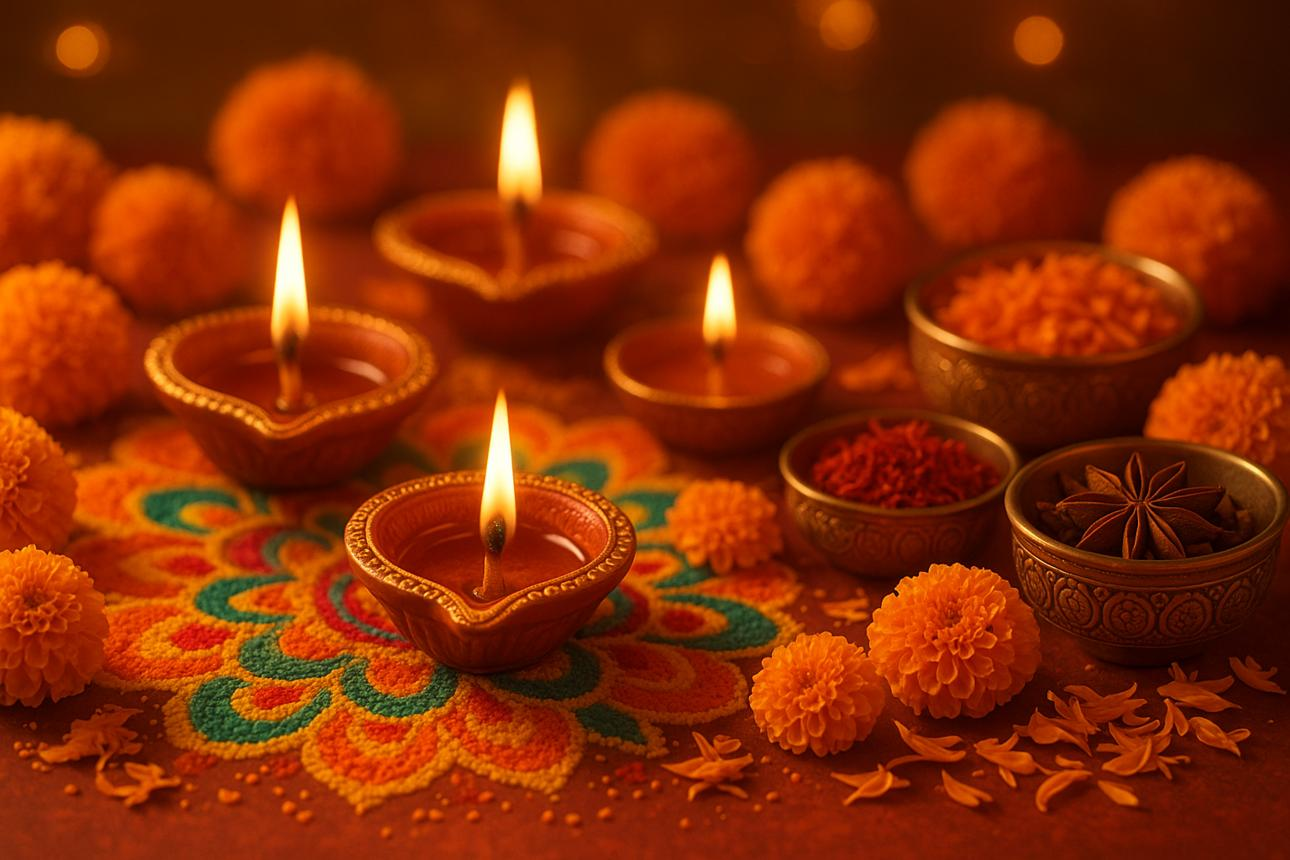
Traditional Diya Greeting Image
A diya surrounded by flowers and warm festive colours makes a simple Choti Diwali greeting.
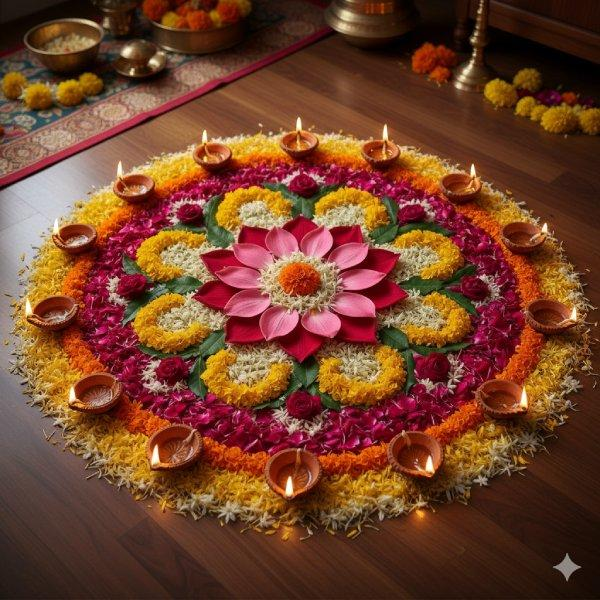
Colourful Rangoli Greeting Image
Floral rangoli patterns are suitable for digital greetings, posters and home decorations.
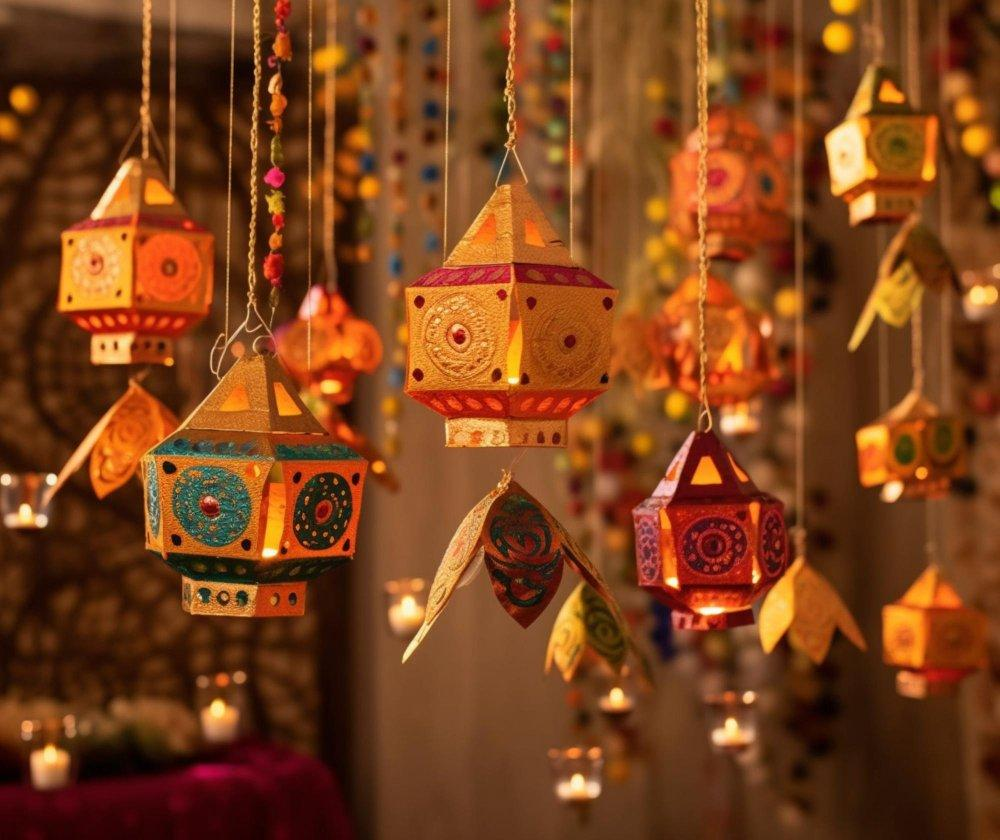
Paper Lantern Decoration Image
Students can make colourful paper lanterns using craft paper and battery-operated lights.
Traditional Puja Decoration Image
Flowers, diyas and traditional decorations can be arranged around a clean prayer area.
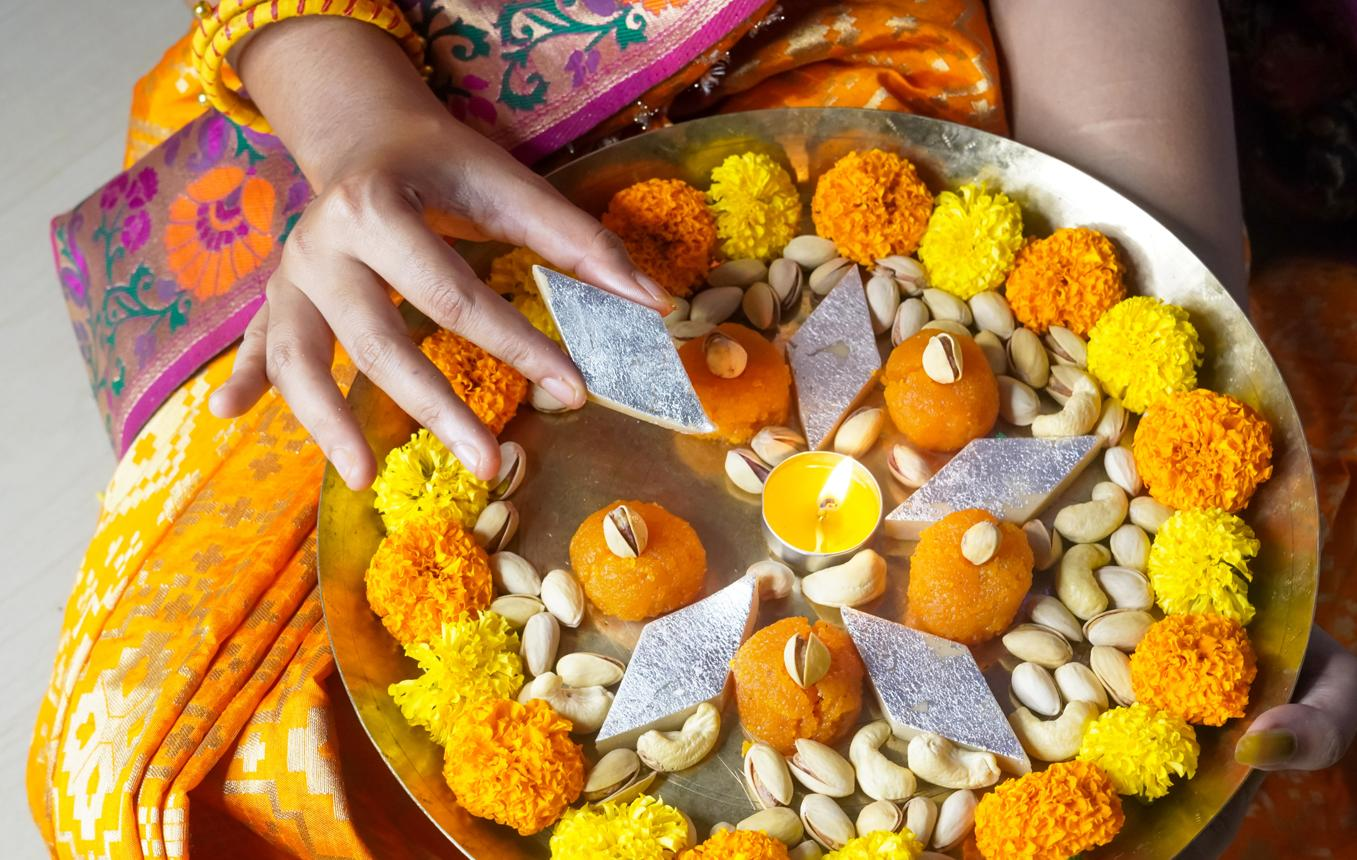
Easy Choti Diwali Rangoli Ideas for Home and School
Creating Choti Diwali rangoli is a creative activity for children and families. Beginners can use flower petals, coloured powders or chalk to make simple designs.
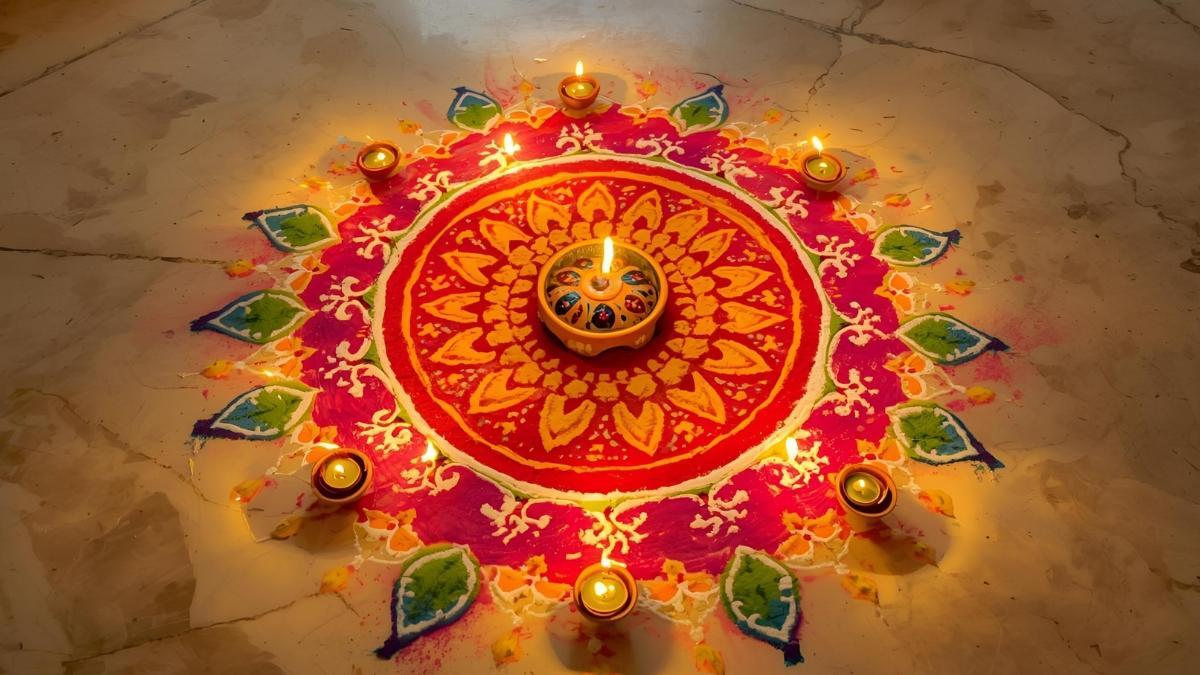
1. Easy Diya Rangoli
Draw a diya shape and fill it with orange, yellow and red colours. Add a small decorative border to complete the design.
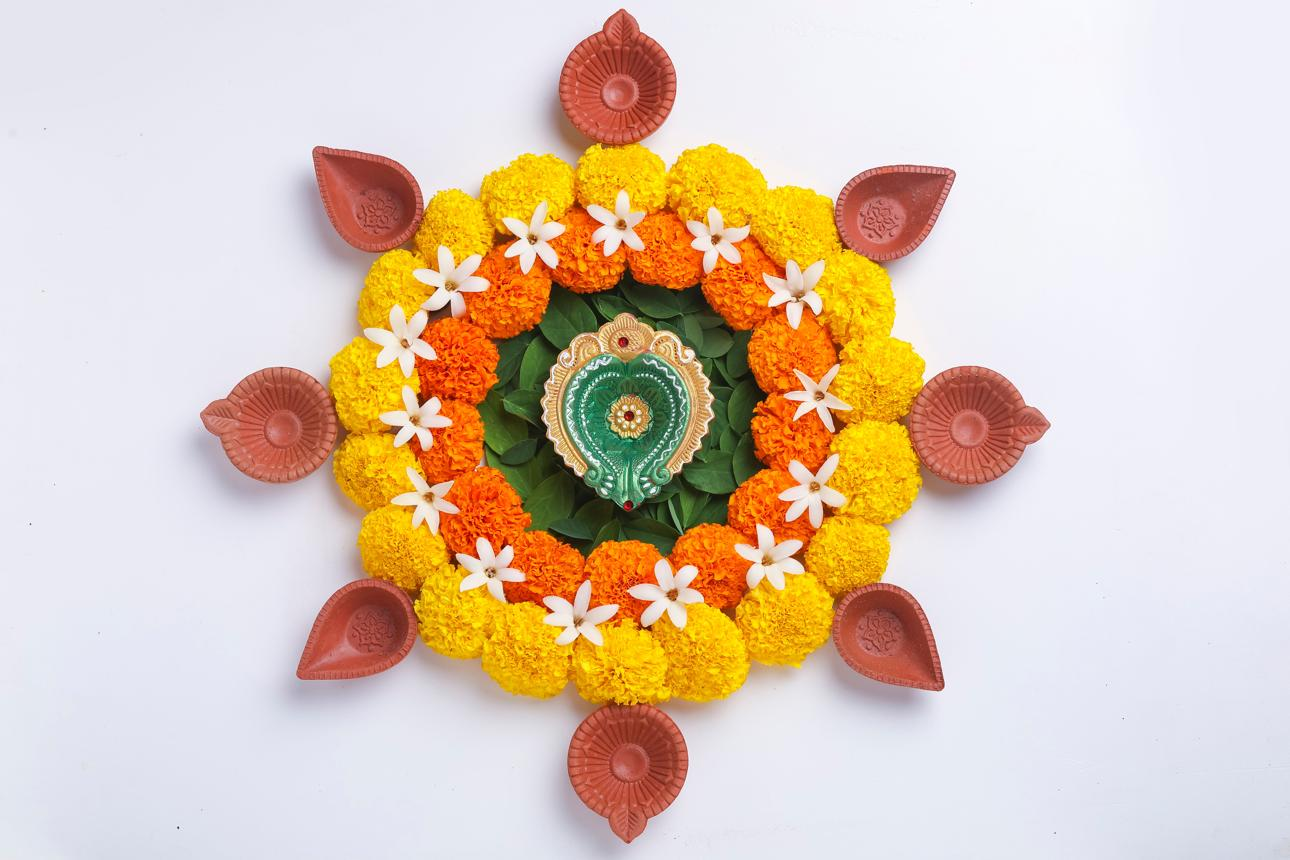
2. Flower Rangoli
Arrange marigold petals in a circular pattern. Add white flowers or green leaves to create contrast.
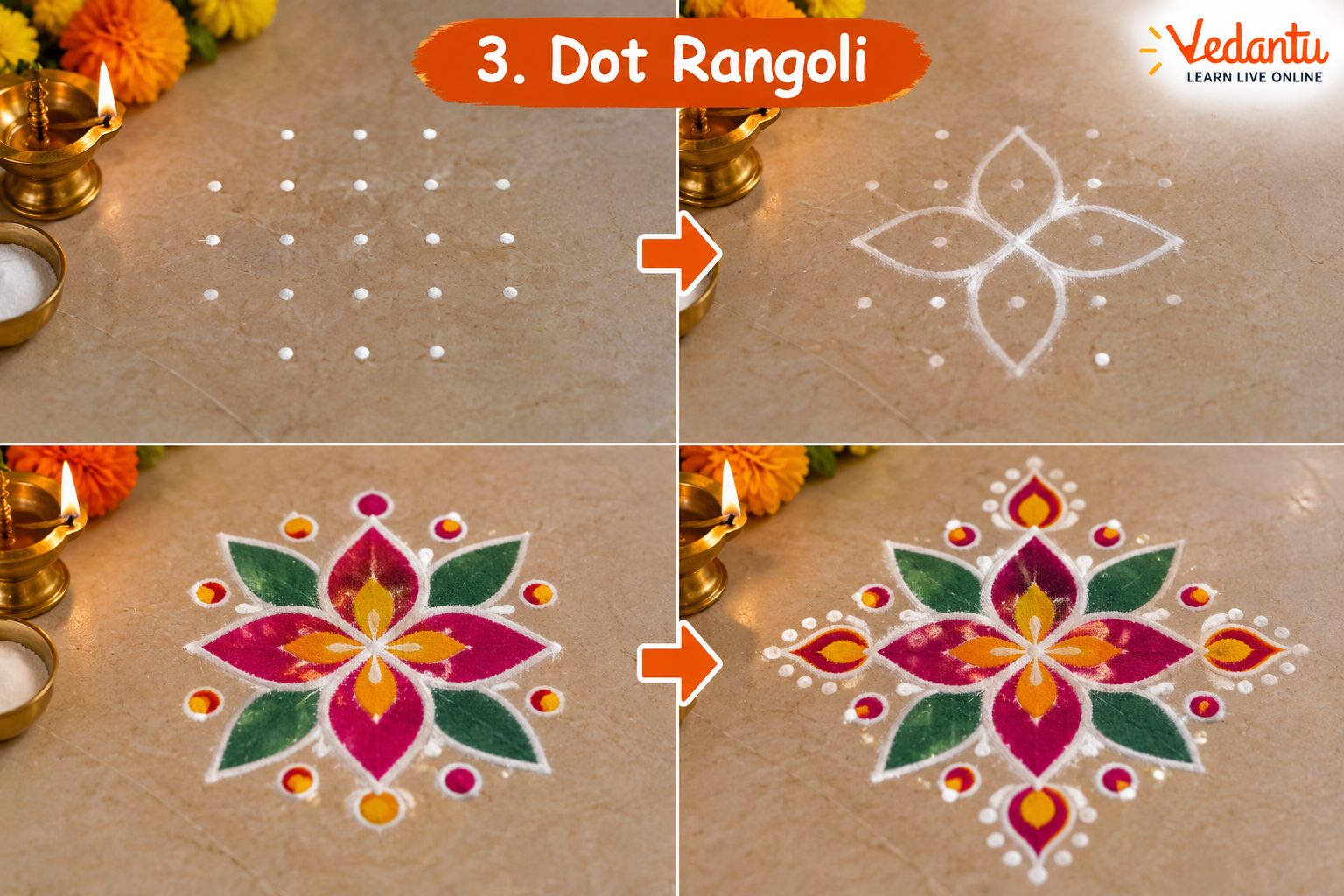
3. Dot Rangoli
Make a grid of dots and join them with straight or curved lines. This activity helps students practise symmetry and pattern-making.
4. Lotus Rangoli
Draw a lotus with pink petals and green leaves. Keep the outline simple for easy colouring.
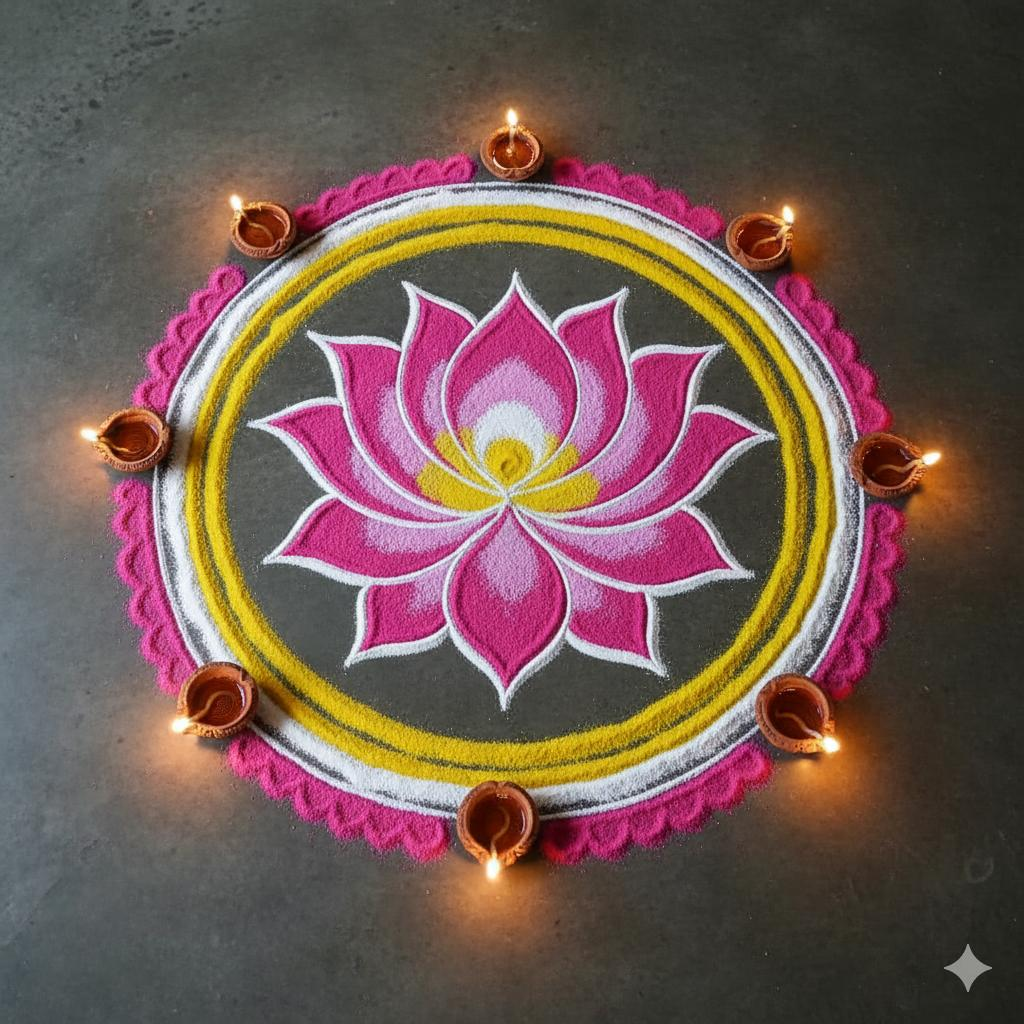
Explore more easy rangoli designs for Diwali for step-by-step drawing ideas.
Choti Diwali Activities for Students and Children
Choti Diwali gives students an opportunity to understand Indian traditions while participating in art, storytelling and family activities.
Children should use age-appropriate materials and work under adult supervision when scissors, electrical decorations or open flames are involved.
How to Celebrate Choti Diwali Safely and Responsibly
Choti Diwali celebrations can be enjoyable without excessive noise, smoke or waste.
Families can follow these simple practices:
Place diyas on stable surfaces away from curtains, paper and other flammable materials.
Use battery-operated lamps where traditional flames are unsuitable.
Choose reusable decorations whenever possible.
Keep entrances, walkways and emergency exits clear.
Follow local rules regarding fireworks, noise and public safety.
Include children in supervised drawing, storytelling and craft activities.
For additional celebration ideas, explore how to celebrate Diwali without crackers.
Conclusion
Choti Diwali 2026 is commonly associated with Saturday, 7 November, while Narak Chaturdashi Abhyang Snan falls on Sunday, 8 November, according to Drik Panchang for New Delhi.
Kali Chaudas is observed on 7 November, whereas the early-morning Narak Chaturdashi ritual takes place on 8 November.
The festival celebrates the victory of goodness over evil and brings families together through prayers, diyas, sweets, decorations and regional customs.
Whether families observe Kali Chaudas, Narak Chaturdashi or other local traditions, Choti Diwali offers an opportunity to celebrate cultural heritage and share happiness.
FAQs on Choti Diwali 2026: 7 or 8 November? Date, Narak Chaturdashi Muhurat and Wishes
1. When is Choti Diwali in 2026?
Choti Diwali 2026 is commonly celebrated on Saturday, 7 November. According to Drik Panchang, Kali Chaudas falls on 7 November, while Narak Chaturdashi Abhyang Snan is observed on Sunday, 8 November.
2. Choti Diwali kab hai 2026 mein?
छोटी दिवाली 2026 में सामान्य रूप से शनिवार, 7 नवंबर को मनाई जाएगी। दिल्ली पंचांग के अनुसार काली चौदस 7 नवंबर को है, जबकि नरक चतुर्दशी का अभ्यंग स्नान 8 नवंबर की सुबह होगा।
3. Why are there two dates for Choti Diwali 2026?
The two dates arise because Kali Chaudas and Narak Chaturdashi follow different ritual timings. Kali Chaudas is observed during the late-night Chaturdashi period, while Narak Chaturdashi Abhyang Snan takes place before sunrise.
4. What is the Narak Chaturdashi 2026 date and Abhyang Snan time?
Narak Chaturdashi Abhyang Snan falls on Sunday, 8 November 2026. The auspicious bathing muhurat in New Delhi is 5:41 AM to 6:38 AM.
5. What is the Kali Chaudas Puja Muhurat in 2026?
Kali Chaudas falls on Saturday, 7 November 2026. The Kali Chaudas Puja Muhurat in New Delhi is 11:39 PM on 7 November to 12:31 AM on 8 November.
6. Are Choti Diwali and Naraka Chaturdashi the same festival?
The names are often used interchangeably. However, Choti Diwali is a popular name for celebrations before Badi Diwali, while Narak Chaturdashi refers specifically to the Chaturdashi observance associated with the Narakasura tradition.
7. Why is Naraka Chaturdashi celebrated?
According to Hindu religious traditions, Naraka Chaturdashi commemorates Lord Krishna's victory over Narakasura. The story represents the triumph of courage and justice over cruelty.
8. What is Abhyang Snan on Choti Diwali?
Abhyang Snan is a traditional early-morning oil bath observed during Narak Chaturdashi. Families may apply oil, take a bath, wear clean clothes and offer prayers.
9. What is the difference between Choti Diwali and Kali Chaudas?
Kali Chaudas has regional traditions associated with Chaturdashi, including Goddess Kali worship in some communities. Choti Diwali is a broader popular name used for celebrations before the main Diwali festival.
10. When is Badi Diwali in 2026?
Badi Diwali falls on Sunday, 8 November 2026. It is associated with Lakshmi-Ganesha Puja, diyas, sweets and family celebrations.
11. How is Choti Diwali celebrated in South India?
In several South Indian communities, Narak Chaturdashi includes early-morning oil baths, new clothes, prayers and special meals. Customs vary by state and household.
12. What are some Happy Choti Diwali wishes in Hindi?
You can wish someone: "छोटी दिवाली की हार्दिक शुभकामनाएँ! आपके जीवन में सुख, शांति और समृद्धि बनी रहे।"
13. What are some easy Choti Diwali rangoli designs?
Beginners can create diya rangoli, flower-petal patterns, dot rangoli or lotus designs. These patterns are suitable for home decorations and school activities.
14. What should be included in Choti Diwali images and greeting cards?
Choti Diwali greeting images can include diyas, colourful rangoli, marigold flowers, traditional lamps and short festive messages in Hindi or English.
15. Can children celebrate Choti Diwali without firecrackers?
Yes. Children can celebrate by making rangoli, decorating diyas, creating greeting cards, preparing paper lanterns and listening to traditional festival stories. These activities offer enjoyable alternatives to fireworks.


