




How to Solve Jumbled Words Worksheets with Examples and Answers
Unscrambling is the action of making something straight or clear. Solving a word game with jumbled letters is an example of unscrambling. Decrypt is the process of undoing the scrambling. For example, you have given some random words like ALLUMBRE, and you have to find what the word is like ALLUMBRE will become ‘UMBRELLA’.
Solve the questions for more clarity.
Questions:
1. The letters of the word below are jumbled. Figure out the correct sequence and write the word.
CSSAL
COLBBRE
EGLISHN
PSHYSICS
TUAHGT
CUAGTH
TGOUFH
2. Unscramble the following words.
LYHGTIL
ORHTW
FNA
DGO
ALPPE
ANGMO
APPELINEP
3. The words given below are scrambled figure out the word according to the hint given.
FRFAOD (to be able to manage or bear)
HYLTEAW( wealthy)
LTSEY (style)
4. Make the correct unscrambled word according to the figure.
- H E L W E

an image of a wheel
- L C K C O

an image of a clock
5. Unscramble the letters.
F S A C R
C M B O
L G V O E
6. Write the correct spelling according to the image.
UPP_ _

an image of a Puppy
UNT_ _ _

an image of a TUNNEL
7. Unscramble the following.
SYK
ULBE
REVNE
8. Arrange the letters to find the word.
DRMU
KOOB
9. Unscramble the words to make correct word.
D c k u
F o r g
10. Letter mix up.
E k a s t
T n t e
11. Find the word according to the figure.

an image of gloves
12. Find the unscrambled word for I D S L E.
13. Find the unscrambled word for O L B E G.
14. Find the word E P A R.
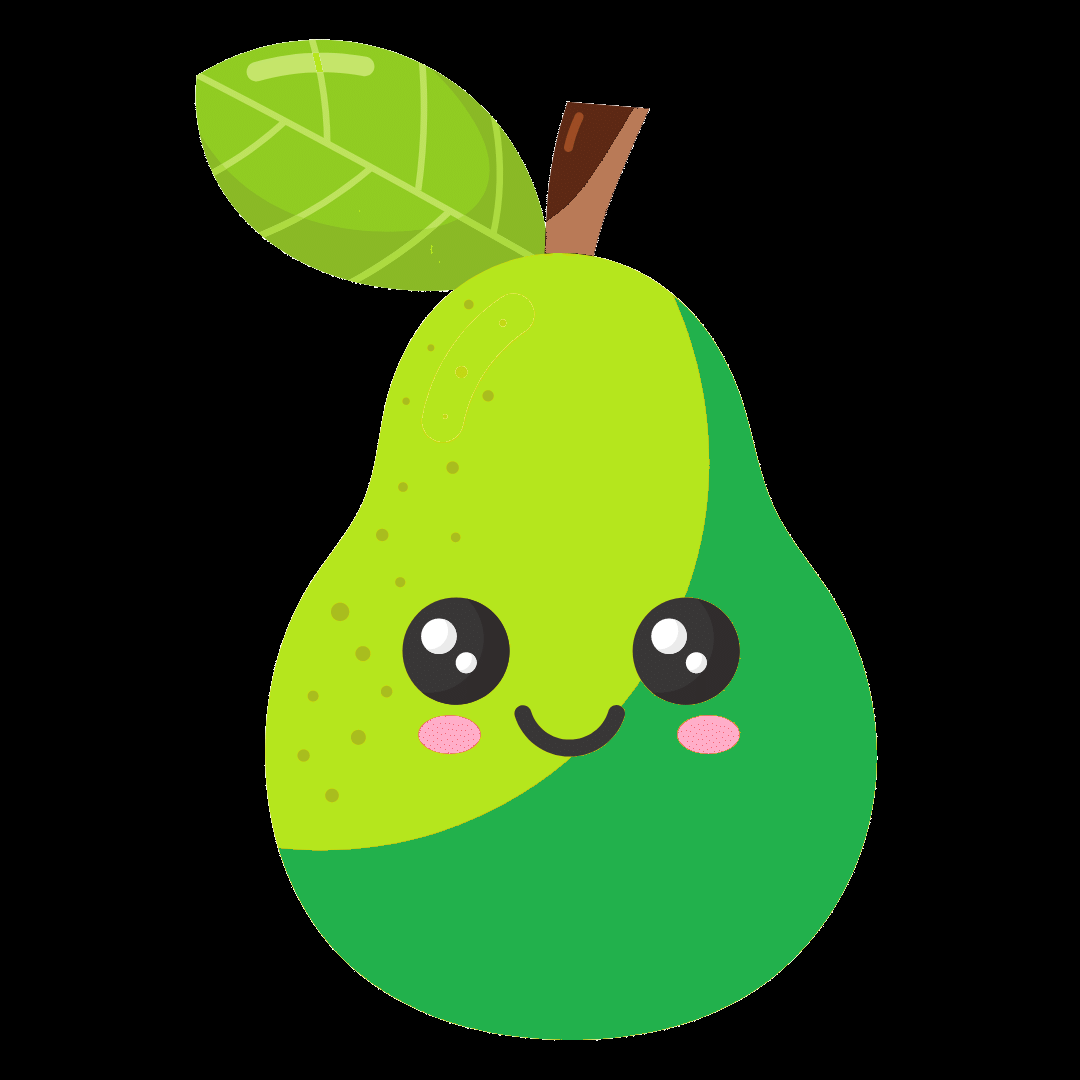
an image of pear
15. Find the word: LPANT.
Answer:
1.
CSSAL - CLASS
COLBBRE- COBBLER
EGLISHN- ENGLISH
PSHYSICS- PHYSICS
TUAHGT- TAUGHT
CUAGTH- CAUGHT
TGOUFH- FOUGHT
2. Unscrambling the words we will get:
LYHGTIL- LIGHTLY
ORHTW- WORTH
FNA- FAN
DGO- DOG
ALPPE- APPLE
ANGMO -MANGO
APPELINEP-PINEAPPLE
3.
FRFAOD (to be able to manage or bear)- AFFORD
HYLTEAW( rich) - WEALTHY
LTSEY (fashion)- STYLE
4.
H E L W E - WHEEL

an image of a wheel
L C K C O- CLOCK

an image of a clock
5.
F S A C R- SCARF
C M B O- COMB
L G V O E- GLOVE
6.
- UPP_ _= PUPPY
an image of a Puppy
- UNT_ _ _= TUNNEL
an image of a TUNNEL
7.
SYK - SKY
ULBE- BLUE
REVNE- NEVER
8.
DRMU- DRUM
KOOB- BOOK
9.
D c k u- DUCK
F o r g- FROG
10.
E k a s t - SKATE
T n t e - TENT
11.
an image of gloves
12. unscrambled word for I D S L E - SLIDE
13. unscrambled word for O L B E G - GLOBE
14. the word E P A R - PEAR
an image of pear
15. Find the word: LPANT - PLANT
Importance of Jumbled Words Worksheet for Students
The worksheets for jumbled words have been created by the English experts at Vedantu to improve the spelling and vocabulary of the students.
Different words are jumbled up in these worksheets, and clues are provided to the children to find the right words. With the help of the clues, children should be able to decide what the correct word is.
These worksheets are not only designed to help the thinking abilities of students but also to improve their spelling and vocabulary.
The experts have provided short and long words to unscramble for the children. You can first start out which the short words and move on to the long one.
The jumbled words exercise is definitely one of the best things that students can practice in order to improve their vocabulary by learning new words every day.
Benefits of Jumbled Words Puzzle With Answers
Students need these jumbled word exercises in order to help them improve their spelling in the best possible way. They will learn about the letters and the different words that can be made with the same letters.
They will be able to improve their preparation for the exams with the help of these worksheets. With regular practice, students will soon learn a lot of new words.
The worksheets for jumbled words puzzle with answers are provided that students can refer to in case they run into any hiccups along the way. It will help them practice better.
These worksheets are also free to download and can be accessed anywhere offline by the students.
Learn Spelling With Jumbled Words Worksheets and Exercises
It is important for children of KG-3 to learn different words in the English language. Downloading and practising from the worksheets for jumbled words will enable them to learn the new words easily. Learn how to spell words and other interesting facts with these exercises.
FAQs on Jumbled Words Worksheet for Vocabulary and Sentence Practice
1. What is a jumbled words worksheet?
A jumbled words worksheet is an English activity where letters or words are mixed up and students must rearrange them to form correct words or sentences. It is commonly used to improve spelling, sentence formation, and grammar skills.
- Letters may be scrambled to form a word (e.g., "lpeap" → "apple").
- Words may be rearranged to form a sentence (e.g., "is she happy" → "She is happy.").
- It supports vocabulary building and language accuracy.
2. How do you solve a jumbled words worksheet?
To solve a jumbled words worksheet, rearrange the given letters or words into their correct order by identifying patterns and grammar rules. Follow these steps:
- Read all the scrambled letters or words carefully.
- Look for common prefixes, suffixes, or root words.
- Identify the subject, verb, and object in sentence-based questions.
- Check if the final answer makes grammatical and logical sense.
3. What is the purpose of jumbled words exercises in English?
The purpose of jumbled words exercises is to strengthen vocabulary, grammar, and sentence construction skills. These exercises help learners:
- Understand correct word order in English.
- Improve spelling and word recognition.
- Develop logical thinking and language processing skills.
- Practice forming meaningful and grammatically correct sentences.
4. What is the difference between jumbled words and jumbled sentences?
The main difference between jumbled words and jumbled sentences is that the first involves rearranging letters to form a word, while the second involves rearranging words to form a complete sentence.
- Jumbled words: "tca" → "cat"
- Jumbled sentences: "playing are kids the" → "The kids are playing."
5. How do jumbled sentences improve grammar skills?
Jumbled sentences improve grammar skills by training learners to recognize correct sentence structure and word order. When rearranging words, students must:
- Identify the subject and verb.
- Place adjectives and adverbs correctly.
- Follow proper tense and punctuation rules.
6. What are some tips for rearranging jumbled words into correct sentences?
The best tips for rearranging jumbled words into sentences include identifying key grammar elements and checking meaning. Use these strategies:
- Find the main verb first.
- Look for capitalized words that may begin the sentence.
- Check for articles like a, an, the.
- Ensure the sentence follows standard English word order: Subject + Verb + Object.
7. Are jumbled words worksheets good for ESL students?
Yes, jumbled words worksheets are highly effective for ESL students because they reinforce vocabulary and grammar in an interactive way. They help learners:
- Understand English syntax.
- Practice new vocabulary in context.
- Improve reading comprehension and sentence fluency.
- Build confidence in forming correct English sentences.
8. Can you give examples of jumbled words with answers?
Yes, here are simple examples of jumbled words with answers:
- "god" → "dog"
- "raed" → "read"
- "hte" → "the"
9. What skills do students develop through jumbled word activities?
Students develop spelling, grammar, vocabulary, and critical thinking skills through jumbled word activities. Specifically, they improve:
- Word formation skills.
- Understanding of sentence patterns.
- Attention to detail in language use.
- Logical reasoning and problem-solving ability.
10. How can teachers create a jumbled words worksheet?
Teachers can create a jumbled words worksheet by selecting target vocabulary or sentences and scrambling their order while keeping one correct solution. Follow these steps:
- Choose words based on the lesson topic or grammar rule.
- Mix the letters (for word-level tasks) or shuffle the words (for sentence-level tasks).
- Ensure only one grammatically correct answer is possible.
- Provide an answer key for easy assessment.
