



When Is World Elephant Day 2026 and What Is Its Theme?
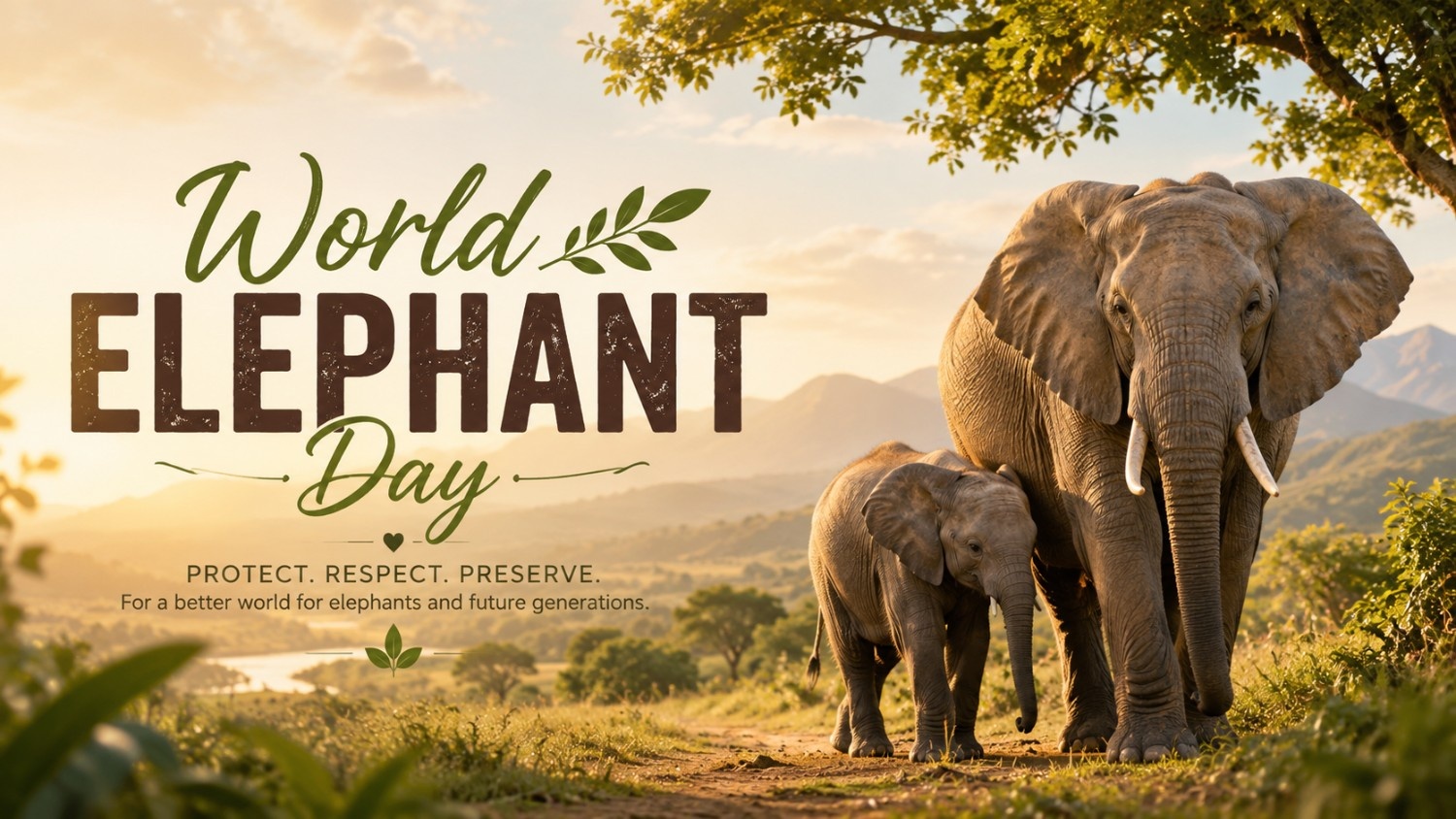
World Elephant Day 2026 is observed on August 12 to raise awareness about the protection and conservation of elephants. The observance highlights major concerns such as poaching, habitat loss, human-elephant conflict, and welfare issues linked to captivity, while encouraging people to support elephant conservation in meaningful ways.
This day matters because elephants are ecologically important animals in both Asia and Africa, and they also hold cultural significance in many societies. For students and general readers, World Elephant Day offers a clear opportunity to learn why elephants need protection and how awareness can support biodiversity and long-term conservation efforts.
What Is World Elephant Day?
World Elephant Day is an international awareness observance dedicated to elephants and the urgent need to protect them. It draws attention to the challenges faced by both Asian elephants and African elephants, while promoting education, compassion, and practical support for wildlife conservation.
People often search for the world elephant day date, significance, and theme because the observance combines environmental education with a simple public message: elephants need safe habitats, reduced conflict with humans, and stronger protection from exploitation and wildlife crime.
World Elephant Day 2026 Date
World Elephant Day 2026 will be observed on August 12. The date is fixed and is observed every year to keep global attention focused on elephant welfare and conservation.
| Observance | Date | Main Purpose |
|---|---|---|
| World Elephant Day | August 12 | Awareness and support for elephant conservation |
History of World Elephant Day
The observance began as a conservation-focused effort to draw global attention to elephants and the threats they face. Its purpose has remained educational and awareness-driven: to encourage people, schools, wildlife groups, and communities to understand why elephant protection is urgent and why sustained conservation action matters.
In public discussions, the history of World Elephant Day is closely linked with broader efforts to protect wildlife habitats, reduce illegal killing, and improve the way elephants are treated in both wild and captive settings. Its continuing relevance comes from the fact that these challenges have not disappeared.
World Elephant Day Theme 2026
Theme to be updated when officially announced. If an official World Elephant Day theme 2026 is released by the relevant organizers, it should be added to this page. Until then, it is best to focus on the day’s established conservation message rather than use an unverified theme.
Why World Elephant Day Is Important
The world elephant day significance lies in the role elephants play in nature and in human culture. As large, mobile animals, they are closely tied to ecosystems and biodiversity. Their survival depends on healthy landscapes, and their decline often reflects wider environmental pressures.
The observance is also important because it connects conservation science with public awareness. Many people know elephants as iconic animals, but awareness days help explain real issues such as habitat fragmentation, conflict near farms and settlements, and welfare concerns for elephants kept in captivity.
Why elephants matter in ecosystems
Elephants are often described in conservation education as animals with a major ecological role. Their movement across landscapes, use of vegetation, and relationship with habitats make them important to the health of the environments they live in. This is one reason elephant conservation is discussed within the larger context of biodiversity conservation.
Asian elephants and African elephants
World Elephant Day raises awareness for elephants across Asia and Africa. While the observance groups them under a shared conservation message, it is important to remember that conservation conditions vary by species, geography, and country. Awareness should therefore be broad, careful, and fact-based rather than oversimplified.
Major Threats Faced by Elephants
The day highlights several serious conservation threats.
- Habitat loss: As natural landscapes shrink or become fragmented, elephants may lose access to food, water, and migration routes.
- Poaching and wildlife crime: Illegal killing remains a major concern in elephant protection efforts.
- Human-elephant conflict: When elephants move near farms or settlements, conflict can affect both people and animals.
- Captivity-related welfare concerns: World Elephant Day also brings attention to the treatment and welfare of elephants kept in captivity.
- Climate-related stress: Environmental change can add pressure to already vulnerable habitats and conservation systems.
How World Elephant Day Is Observed
World Elephant Day is observed by wildlife groups, schools, zoos, non-governmental organizations, nature lovers, and the wider public. The aim is not celebration in a festive sense, but awareness, education, and support for conservation-focused action.
Common ways the observance is marked include the following.
- Awareness campaigns on elephant conservation
- Educational talks, school assemblies, and classroom discussions
- Social media posts sharing facts and conservation messages
- Community activities linked to biodiversity and wildlife learning
- Support for conservation organizations and responsible awareness drives
Elephant Day Awareness Ideas for Students
Students can take part in simple, low-cost, educational activities.
- Create posters on saving elephants and protecting habitats.
- Prepare a short presentation on Asian elephants and African elephants.
- Share one verified elephant fact in class or on a school noticeboard.
- Organize an eco-club discussion on human-elephant conflict and coexistence.
- Watch a nature documentary and note the conservation issues shown.
- Write a short awareness speech or paragraph on why World Elephant Day is celebrated.
- Design a classroom fact card series on elephants, habitats, and conservation threats.
Quick Facts for Elephant Awareness
| Topic | Key Point |
|---|---|
| Date | Observed every year on August 12 |
| Focus | Protection and conservation of elephants |
| Regions highlighted | Asia and Africa |
| Main concerns | Poaching, habitat loss, conflict, and captivity-related welfare issues |
Awareness Lines for Posters and School Use
For school displays and elephant day awareness activities, short conservation-focused lines are often useful. These should stay educational and respectful, keeping attention on protection, habitats, and coexistence rather than dramatic claims.
Here are simple awareness lines suitable for posters and classroom boards.
- Protect elephants, protect biodiversity.
- Safe habitats mean safer futures for elephants.
- Awareness is the first step in conservation.
- Respect wildlife, support coexistence.
- Elephants need protection, not pressure.
- Share one fact, support one cause, protect one species.
Learn More Through Related Awareness Reading
Readers interested in wildlife awareness and conservation topics can explore more educational observance content on Vedantu. Related reading may help students connect World Elephant Day with larger themes such as biodiversity, wildlife protection, and environmental responsibility.
Useful pages include World Wildlife Day, International Tiger Day, World Nature Conservation Day, and National Wild Life Day. You can also browse more educational awareness articles on the Vedantu blog.
Conclusion: World Elephant Day reminds us that elephants are not only remarkable animals but also an important part of global biodiversity. Observed on August 12, the day encourages thoughtful awareness about habitat protection, poaching, human-elephant conflict, and welfare concerns. For students, schools, and general readers, it is a meaningful occasion to learn, share facts responsibly, and support conservation-minded action that respects both wildlife and ecosystems.
FAQs on World Elephant Day 2026: Why We Celebrate and Protect Elephants
1. When is World Elephant Day 2026 observed?
World Elephant Day 2026 will be observed on Wednesday, August 12, 2026. The date remains the same every year and promotes global awareness about elephant conservation, habitat protection, and animal welfare.
2. What is World Elephant Day?
World Elephant Day is an international observance dedicated to protecting Asian and African elephants. It raises awareness about threats such as poaching, habitat loss, human-elephant conflict, wildlife trafficking, and poor conditions in captivity.
3. Why is World Elephant Day celebrated?
World Elephant Day is celebrated to encourage the protection and conservation of elephants. It helps people understand why elephants need safe habitats, stronger protection from wildlife crime, responsible treatment, and peaceful coexistence with human communities.
4. What is the theme of World Elephant Day 2026?
An official World Elephant Day 2026 theme has not been confirmed. Until a theme is formally announced by the organisers, the observance continues to focus on its central message of protecting elephants from poaching, habitat destruction, conflict, exploitation, and captivity-related welfare problems.
5. What is the history of World Elephant Day?
World Elephant Day was first observed on August 12, 2012. It was launched by Canadian filmmaker Patricia Sims and the Elephant Reintroduction Foundation of Thailand to draw worldwide attention to the urgent threats affecting Asian and African elephants.
6. Why are elephants important to the ecosystem?
Elephants are important ecosystem engineers because their activities help shape and maintain natural habitats.
- They disperse seeds through their dung.
- They create pathways used by other animals.
- They open dense vegetation and help maintain grasslands.
- They can create or uncover access to water in dry landscapes.
7. What are the major threats faced by elephants?
Elephants face several interconnected threats in the wild and in captivity.
- Habitat loss and fragmentation caused by expanding human activity
- Poaching and illegal wildlife trade, particularly the ivory trade
- Human-elephant conflict near farms and settlements
- Climate-related pressures on food and water resources
- Captivity-related welfare issues and exploitation
8. What is human-elephant conflict?
Human-elephant conflict occurs when elephants and people compete for space and resources. It may happen when shrinking or fragmented habitats force elephants to enter farms and settlements in search of food, water, or traditional migration routes, sometimes causing crop damage, injuries, or loss of life for both people and elephants.
9. How is World Elephant Day observed?
World Elephant Day is observed through educational and conservation-focused activities.
- Schools conduct assemblies, quizzes, speeches, and poster-making activities.
- Wildlife organisations organise awareness and conservation campaigns.
- Communities discuss habitat protection and peaceful coexistence.
- People share verified elephant facts and support responsible conservation initiatives.
10. How can students help protect elephants?
Students can help protect elephants by learning about conservation and encouraging responsible behaviour.
- Create posters or presentations about elephant conservation.
- Share accurate information about poaching, habitats, and biodiversity.
- Avoid buying products made from ivory or other wildlife materials.
- Support ethical wildlife tourism and never promote animal exploitation.
- Participate in school eco-clubs and habitat-awareness activities.



