




What is single cell protein and how is it produced
With the constant rise in the global population, the need for protein-rich food has become more urgent. Single cell protein (SCP) offers a novel solution by using microbial biomass to supplement or replace conventional protein sources. If you are wondering what a single-cell protein is, it simply refers to the protein content extracted from the cells of microorganisms such as bacteria, yeast, algae, or fungi. These microorganisms can be cultivated using low-cost materials, including agricultural waste, thereby providing a sustainable approach to address protein deficiency.
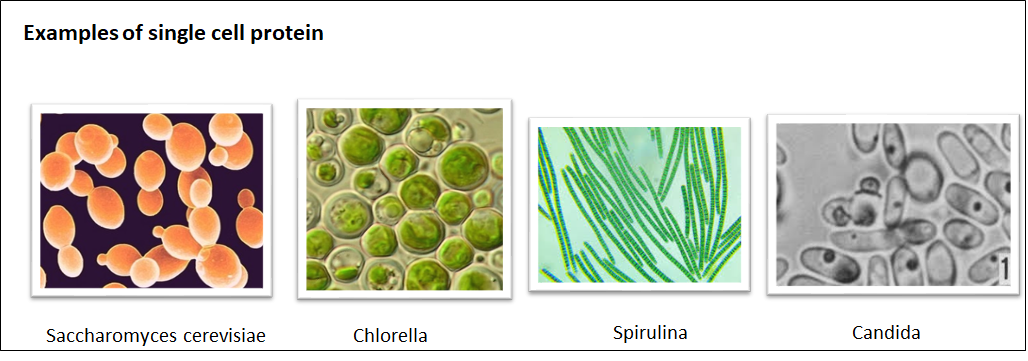
Sources of Single-Cell Protein
A single-cell protein example can come from any single celled microorganism or the collective biomass of these microbes. Commonly used microorganisms include:
Fungi: Aspergillus niger, Aspergillus fumigatus, Rhizopus cyclopean
Yeast: Saccharomyces cerevisiae, Candida utilis, Candida tropicalis
Algae: Spirulina, Chlorella pyrenoidosa, Chondrus crispus
Bacteria: Pseudomonas fluorescens, Lactobacillus species, Bacillus megaterium
Each type has its growth requirements and nutritional advantages, making them important contributors to single-cell protein.
Also Read:
Composition of Single Cell Protein
The composition of single cell protein can vary with the type of microorganism used. On a dry-weight basis, the approximate ranges are:
These values show that microorganisms can be rich sources of protein, often surpassing many traditional protein foods.
Single Cell Protein Production
Single cell protein production generally follows these steps:
Selection of Microorganism: A suitable strain is chosen based on its growth rate, protein yield, substrate compatibility, and nutritional profile.
Preparation of Substrate: Microbes utilise inexpensive or waste materials as substrates. These can include agricultural by-products (e.g., corn cobs, wood shavings) or even animal and human waste in certain specialised systems.
Fermentation: Microorganisms are grown in a controlled environment with optimal nutrients, pH, temperature, and oxygen supply. Most SCP processes are aerobic (except certain algal fermentation).
Harvesting: Once sufficient microbial growth has occurred, the biomass is separated from the medium (often by centrifugation or filtration).
Post-harvest Treatment: The harvested biomass is treated to remove any impurities and reduce nucleic acid levels.
Processing for Consumption: The final product can be dried or refined to make it safe and palatable as a protein supplement.
Advantages of Single Cell Protein
The advantages of single cell protein are quite significant, especially in addressing protein shortages:
Rapid Growth: Microorganisms multiply fast, yielding large amounts of biomass in less time compared to conventional livestock.
Nutritional Enhancement: Genetic modification can tailor amino acid composition to meet specific dietary needs.
Waste Utilisation: Production can use low-cost, abundant substrates, helping reduce pollution and manage waste effectively.
Climate Independence: SCP can be produced year-round without reliance on specific weather or soil conditions.
Disadvantages of Single Cell Protein
When discussing the advantages and disadvantages of single-cell protein, certain limitations must be considered:
High Nucleic Acid Content: Excess nucleic acids may lead to health issues, such as elevated uric acid levels and potential kidney stones if consumed in large quantities.
Allergic Reactions: Some individuals may develop allergies if their digestive system recognises the microbial proteins as foreign.
Possible Toxic Metabolites: Improperly processed biomass might contain secondary metabolites, causing hypersensitivity or other adverse effects.
Capital-Intensive Production: Setting up and maintaining fermentation facilities with strict sterile conditions can be costly.
Applications of Single Cell Protein
Despite these challenges, single cell protein has a wide range of applications:
Food Supplement: SCP can be added to diets for instant energy and to combat malnutrition. It is especially helpful for undernourished children.
Nutritional Benefits: It provides essential amino acids, vitamins, minerals, and crude fibres.
Therapeutic Uses:
Helps control obesity
Regulates blood sugar in diabetic patients
Reduces cholesterol and stress levels
Cosmetic Products: Microbial proteins are used in certain herbal creams, lotions, and hair care products.
Animal and Poultry Feed: SCP serves as an excellent protein source to improve the diet of livestock, poultry, and fish.
Quick Quiz
Test your understanding of single cell protein with these questions:
1. Which microorganisms are commonly used for single cell protein production?
A. Fungi
B. Bacteria
C. Yeast
D. All of the above
2. What is one of the main advantages of using single cell protein?
A. Slow production rate
B. Low protein content
C. Ability to use waste materials as substrates
D. None of the above
3. Why does high nucleic acid content in SCP pose a problem?
A. May cause elevated uric acid
B. Improves digestion
C. Reduces energy levels
D. Enhances taste
Answers:
D
C
A
Related Topics


FAQs on Single Cell Protein in Biotechnology and Nutrition
1. What is Single Cell Protein (SCP)?
Single Cell Protein (SCP) is a protein-rich biomass derived from microorganisms such as bacteria, yeast, fungi, or algae used as a food or feed supplement. It is produced by growing these microbes on inexpensive substrates and harvesting their cells as a protein source.
- Major sources: yeast, bacteria, microalgae, filamentous fungi
- Contains 50–80% protein (dry weight)
- Used in animal feed and sometimes in human nutrition
2. Why is Single Cell Protein important?
Single Cell Protein is important because it provides a sustainable and high-yield alternative source of dietary protein. It helps address global protein shortages and malnutrition.
- Requires less land and water than traditional crops
- Can be produced year-round under controlled conditions
- Utilizes agricultural or industrial waste as substrates
- Supports food security and sustainable biotechnology
3. What are the sources of Single Cell Protein?
The main sources of Single Cell Protein are bacteria, yeasts, fungi, and microalgae. These microorganisms are cultivated on suitable nutrient media to produce protein-rich biomass.
- Yeast: Saccharomyces cerevisiae
- Algae: Spirulina, Chlorella
- Bacteria: Methylophilus methylotrophus
- Fungi: Fusarium species
4. How is Single Cell Protein produced?
Single Cell Protein is produced by cultivating selected microorganisms in large-scale fermentation systems and harvesting their biomass. The production process involves controlled growth and processing steps.
- Selection of suitable microorganism
- Preparation of nutrient medium (often waste substrates)
- Fermentation in bioreactors
- Harvesting and drying of microbial biomass
- Processing into powder or feed supplement
5. What are the advantages of Single Cell Protein?
The main advantages of Single Cell Protein include high protein yield, rapid production, and sustainable resource use. It is considered an efficient alternative protein source.
- High growth rate of microorganisms
- High protein content (up to 80% dry weight)
- Independent of climate and season
- Can reduce environmental waste
6. What are the disadvantages of Single Cell Protein?
The major disadvantages of Single Cell Protein include high nucleic acid content and possible digestive issues if not properly processed. These factors may limit its direct use in human diets.
- Excess nucleic acids can increase uric acid levels
- Risk of contamination during production
- Possible allergic reactions in some individuals
- Requires processing to improve digestibility and safety
7. What is the difference between Single Cell Protein and plant protein?
Single Cell Protein is derived from microorganisms, whereas plant protein comes from plant sources such as pulses and cereals. They differ in production method and nutritional profile.
- SCP: Produced by microbial fermentation; rapid growth; high protein percentage
- Plant protein: Obtained from crops; dependent on land and climate
- SCP may contain higher nucleic acids
- Both can supplement dietary protein intake
8. Can Single Cell Protein be used as human food?
Yes, Single Cell Protein can be used as human food after proper processing to reduce nucleic acid content and ensure safety. Certain microbial products are already approved for consumption.
- Spirulina and Chlorella are widely consumed as supplements
- Yeast protein is used in food products
- Processing improves taste, digestibility, and safety
9. What are some examples of Single Cell Protein?
Common examples of Single Cell Protein include protein-rich biomass from Spirulina, Chlorella, Saccharomyces cerevisiae, and Methylophilus methylotrophus. These microorganisms are cultivated for nutritional use.
- Spirulina: Blue-green microalga used as health supplement
- Chlorella: Green alga rich in protein and vitamins
- Yeast: Used in food and feed industries
- Bacteria: Used mainly in animal feed
10. How does Single Cell Protein help in solving food shortage?
Single Cell Protein helps solve food shortages by producing large amounts of high-quality protein in a short time using minimal resources. It serves as an alternative protein source in regions facing malnutrition.
- Rapid microbial growth increases yield
- Utilizes agricultural and industrial waste
- Reduces dependence on livestock and crop farming
- Supports sustainable and affordable protein production



