




What Are Peroxisomes Definition Structure Functions and Diagram Explanation
Peroxisomes are tiny, single-membrane-bound organelles that play a critical role in detoxification and metabolic processes within eukaryotic cells. They are especially known for neutralising harmful by-products such as hydrogen peroxide into safer substances like water and oxygen. These compartments have no genetic material of their own, so the proteins they contain are imported from the cytosol after synthesis on free ribosomes.
Historical Note: Peroxisomes discovered by the Belgian cytologist Christian de Duve in the 1960s changed our understanding of cellular detoxification. After peroxisomes were discovered by De Duve, scientists recognised their importance in protecting cells from oxidative stress.
Where They Occur: Peroxisomes are found in nearly all eukaryotic cells, including plant and animal cells. Interestingly, peroxisomes are found in especially high numbers in liver and kidney cells in animals, as these tissues handle a significant load of detoxification. Even in plants, peroxisomes are found in close proximity to chloroplasts, aiding in photorespiration.
Significance of Their Name: These organelles are called “peroxisomes” because they typically generate and degrade hydrogen peroxide (H₂O₂), which can be harmful if not converted rapidly into water and oxygen.
Also read, Cell Organelles
Peroxisomes Structure and Function
When examining peroxisome structure, we find a simple single phospholipid membrane enclosing a matrix that houses numerous oxidative enzymes. Because these enzymes are often imported post-translationally, peroxisomes can grow in size by adding more proteins and lipids, then divide into two.
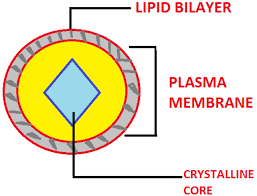
Key Aspect of Peroxisomes Structure and Function:
Single Membrane: Unlike double-membrane-bound organelles (e.g., mitochondria, chloroplasts), peroxisomes have a single membrane, which still compartmentalises harmful reactions.
Matrix Enzymes: Contains oxidative catalysts such as catalase and various peroxidases.
Growth & Division: They enlarge as new enzymes and phospholipids are incorporated, then split into two new organelles.
One cannot fully appreciate peroxisomes function without understanding their active role in the breakdown of hazardous molecules. A major highlight of peroxisomes function is converting hydrogen peroxide to harmless water and oxygen, preventing potential cellular damage. Additionally, they are pivotal for lipid metabolism, bile acid synthesis in the liver, and the breakdown of D-amino acids.
Peroxisomes vs Lysosomes
Students often get confused about peroxisomes vs lysosomes. While both are single membrane-bound organelles involved in breakdown processes, there are notable differences:
Environment and Substrates:
Peroxisomes generally carry out oxidative reactions and neutralise hydrogen peroxide.
Lysosomes maintain an acidic environment to degrade large biomolecules (proteins, lipids, carbohydrates) using hydrolytic enzymes.
Origin of Enzymes:
Peroxisomes import their enzymes from free ribosomes in the cytosol.
Lysosomal enzymes are usually synthesised in the Rough Endoplasmic Reticulum and processed via the Golgi apparatus.
Function:
Peroxisomes function more in detoxification and lipid metabolism.
Lysosomes handle the breakdown of worn-out organelles, pathogens, or macromolecules.
For many students, the peroxisomes vs lysosomes comparison clarifies how different organelles specialise in distinct degradation pathways to keep cells healthy.
Read Lysosomes
Unique Roles in Plants
In plant cells, peroxisomes are examples of organelles that help minimise energy loss during photorespiration. They also participate in the glyoxylate cycle within specialised peroxisomes known as glyoxysomes, vital during seed germination. This synergy of peroxisomes structure and function ensures efficient usage of energy and resources in growing plant tissues.
Key Points
Specialised Forms:
Glyoxysomes in plant seeds convert fatty acids to carbohydrates.
Glycosomes in certain protozoa house essential enzymes for glycolysis.
Peroxisomal Disorders:
Genetic conditions such as Zellweger syndrome arise from defects in peroxisomal enzyme import, leading to severe developmental problems.
Peroxisomes Are Examples of Dynamic Organelles
Because peroxisomes are examples of versatile compartments, they adapt based on a cell’s metabolic demands. They can rapidly proliferate in response to high lipid or toxin levels, acting as flexible defenders of cellular health.
Interactive Quiz on Peroxisomes
Test your knowledge with this short quiz. Write down your answers, then scroll to “Check Your Answers” below:
True or False: Peroxisomes have a single membrane and no internal compartments.
Which scientist were peroxisomes discovered by?
A. Louis Pasteur
B. Christian de Duve
C. Robert Hooke
D. Alexander Fleming
Name one primary function of peroxisomes in animal cells.
Which organ would you expect to have a high number of peroxisomes?
A. Heart
B. Liver
C. Brain
D. Muscle
Fill in the Blank: Peroxisomes are found in almost all ________ cells.
Check Your Answers
True
Christian de Duve
Converting hydrogen peroxide into water and oxygen (detoxification).
Liver
Eukaryotic


FAQs on Peroxisomes in Cells Structure and Role in Metabolism
1. What are peroxisomes?
Peroxisomes are small, membrane-bound organelles that contain oxidative enzymes for metabolic reactions in eukaryotic cells. They are found in the cytoplasm of plant and animal cells and play a key role in lipid metabolism and detoxification.
- Surrounded by a single membrane
- Contain enzymes such as oxidases and catalase
- Involved in breaking down fatty acids and harmful substances
2. What is the function of peroxisomes?
The main function of peroxisomes is to carry out oxidative reactions that break down fatty acids and detoxify harmful molecules. They are essential for maintaining cellular metabolism and preventing oxidative damage.
- Perform beta-oxidation of very long-chain fatty acids
- Detoxify hydrogen peroxide using catalase
- Participate in lipid biosynthesis, including plasmalogens
3. How do peroxisomes break down hydrogen peroxide?
Peroxisomes break down hydrogen peroxide using the enzyme catalase, which converts it into water and oxygen. This reaction protects the cell from oxidative damage.
- Oxidative reactions produce hydrogen peroxide (H2O2)
- Catalase decomposes H2O2 into H2O and O2
- Prevents accumulation of toxic reactive oxygen species
4. What is the structure of a peroxisome?
A peroxisome is a spherical organelle enclosed by a single lipid bilayer membrane and filled with enzyme-rich matrix. It does not contain its own DNA or ribosomes.
- Single membrane boundary
- Granular matrix with oxidative enzymes
- Proteins imported from the cytosol
5. What is the difference between peroxisomes and lysosomes?
Peroxisomes perform oxidative metabolism, while lysosomes carry out intracellular digestion using hydrolytic enzymes. Although both are membrane-bound organelles, their functions and enzymes differ.
- Peroxisomes: contain oxidases and catalase; involved in lipid metabolism and detoxification
- Lysosomes: contain acid hydrolases; digest macromolecules and cellular waste
- Peroxisomes generate hydrogen peroxide; lysosomes function at acidic pH
6. Are peroxisomes found in plant cells?
Yes, peroxisomes are present in plant cells and play important roles in photorespiration and lipid metabolism. In plants, specialized peroxisomes are involved in seed germination and photosynthesis-related processes.
- Participate in photorespiration
- Convert stored fats into sugars in germinating seeds
- Interact with chloroplasts and mitochondria
7. How are peroxisomes formed in the cell?
Peroxisomes are formed by growth and division of pre-existing peroxisomes or by budding from the endoplasmic reticulum. Their proteins are synthesized in the cytosol and imported post-translationally.
- Import proteins with peroxisomal targeting signals (PTS)
- Grow by incorporating membrane and matrix proteins
- Divide similarly to mitochondria
8. What is beta-oxidation in peroxisomes?
Beta-oxidation in peroxisomes is the process of breaking down very long-chain fatty acids into shorter molecules for energy metabolism. This pathway shortens fatty acids before they are further processed in mitochondria.
- Occurs in the peroxisomal matrix
- Generates acetyl-CoA and shorter fatty acids
- Produces hydrogen peroxide as a byproduct
9. What diseases are associated with peroxisome dysfunction?
Peroxisome dysfunction can lead to genetic disorders such as Zellweger syndrome, which affects lipid metabolism and brain development. These conditions are known as peroxisomal biogenesis disorders.
- Defective peroxisome formation
- Accumulation of very long-chain fatty acids
- Severe neurological and developmental symptoms
10. Why are peroxisomes important for cells?
Peroxisomes are important because they protect cells from oxidative damage and regulate lipid metabolism. Without functional peroxisomes, toxic compounds and fatty acids would accumulate in the cell.
- Detoxify reactive oxygen species
- Maintain lipid balance
- Support normal cellular growth and metabolism



