








Definition properties and examples of shapes with sides of equal length
Sides of equal length mean the sides of any object or shape are equal in length. We see many objects and shapes in our daily life that contain sides of equal length. Some geometrical shapes that contain equal lengths of sides are rectangle, square, isosceles triangle, parallelograms, rhombus, etc. Shapes can contain many numbers of sides of equal length such as hexagon, pentagon, etc. In this article, we will learn about the objects and geometrical shapes that contain sides of equal length.
Geometric Shapes That Contain Sides of Equal Length
There are some shapes that contain sides of equal length. For example, your notebook is shaped in a manner that opposite sides are equal in length. Such a type of shape is called rectangular where opposite sides are of equal length. Let’s know about them in detail.
Square: All the sides are of equal length and all angles are 90° in measurement. The figure of a square is given below.
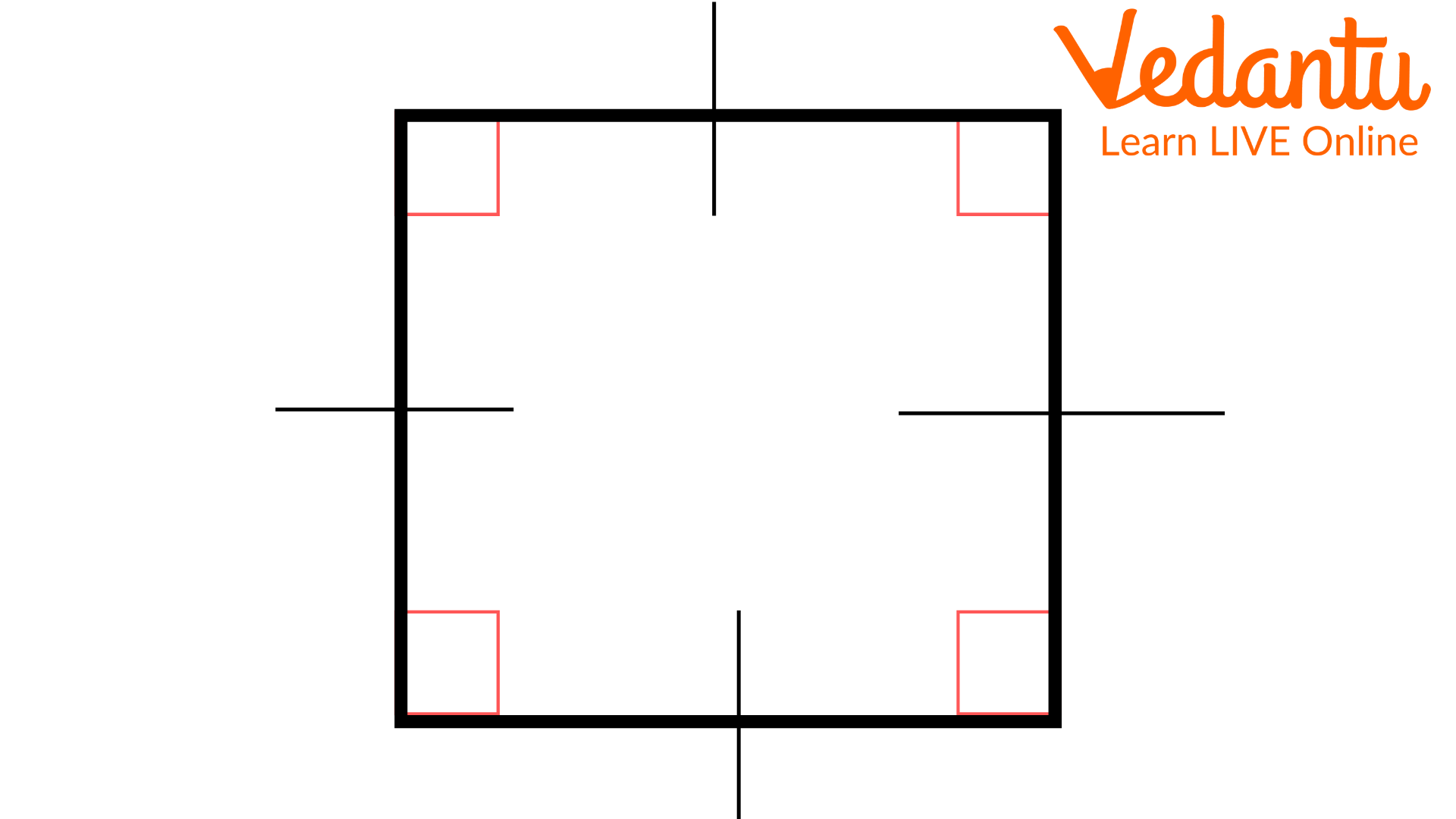
A Square
Rectangle: In a rectangle, the opposite sides are of equal length. All the internal angles in a rectangle are 90°. The figure of a rectangle is given below.
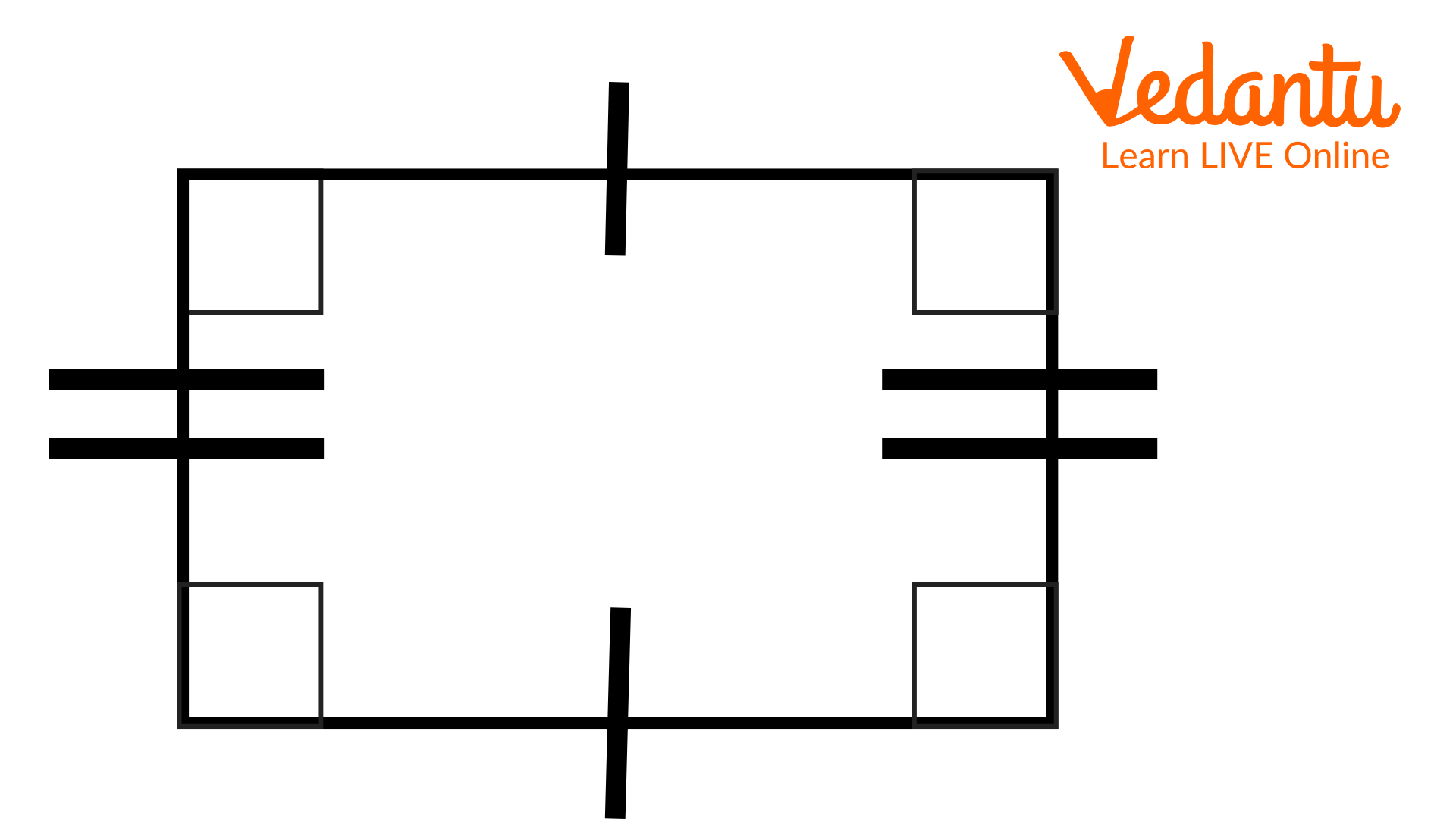
A Rectangle
Parallelogram: In a parallelogram, the opposite sides are equal in length as well as parallel. The opposite angles are equal in measurement. The figure of a parallelogram is given below.
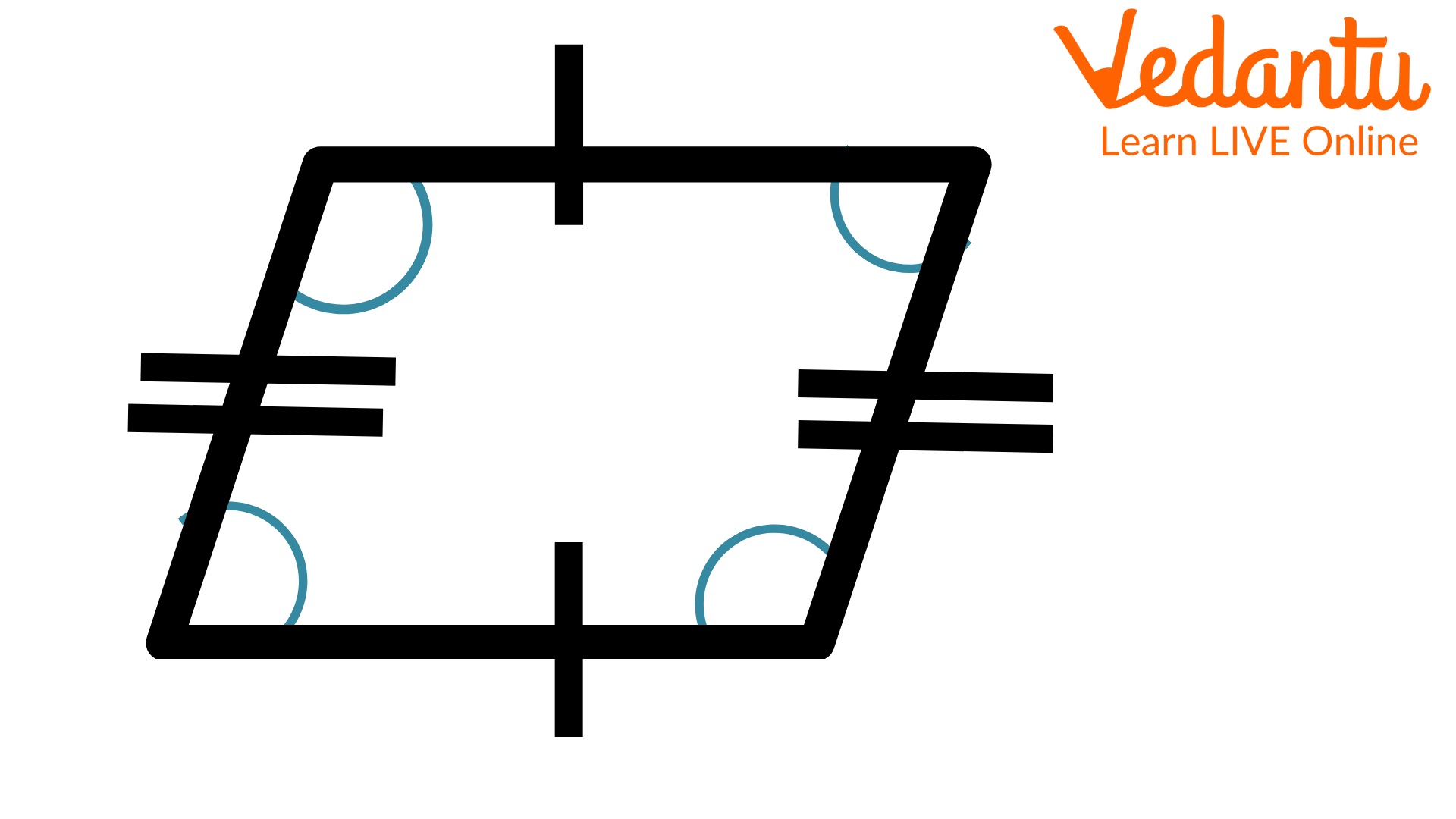
A parallelogram
Equilateral Triangle: In an equilateral triangle, all sides are of equal length and each angle is 60°. The figure of an equilateral triangle is given below.
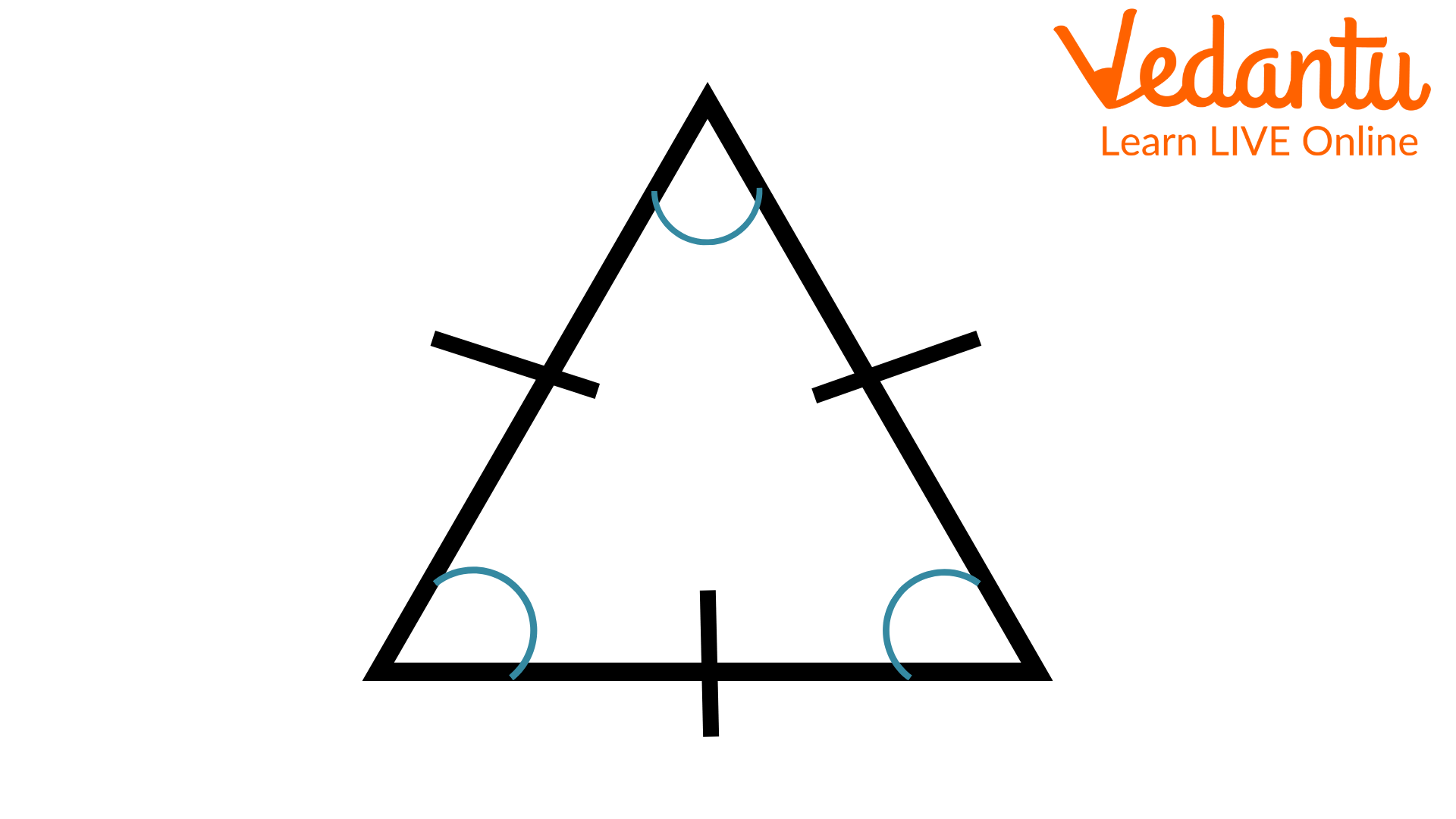
An Equilateral Triangle
Conclusion
In the above article, some shapes are discussed with figures which contain sides of equal length. Some figures have all sides equal in length while some have opposite sides equal in length. Learn and remember the name of these shapes as they are important and can be seen in daily life. Try to identify them in the objects around you and measure and see if they have sides of equal length.
FAQs on Understanding Sides of Equal Length in Geometry
1. What does sides of equal length mean in geometry?
Sides of equal length mean that two or more sides of a shape have exactly the same measurement. In geometry, sides are considered equal if their lengths are identical, regardless of their position or orientation. For example, in a square, all four sides are equal in length. Equal sides are usually marked with small tick marks in diagrams to show they are congruent.
2. Which shapes have all sides of equal length?
Shapes that have all sides of equal length include the square, equilateral triangle, and rhombus. These are called equilateral or equilateral-type shapes. Examples include:
- Equilateral triangle – 3 equal sides
- Square – 4 equal sides and 4 right angles
- Rhombus – 4 equal sides (angles may not be 90°)
3. What is an equilateral triangle?
An equilateral triangle is a triangle with three equal sides and three equal angles. Each interior angle in an equilateral triangle measures 60°. Because all sides are equal, it is also called an equiangular triangle. This property makes it a regular polygon with perfect symmetry.
4. Is a square a shape with sides of equal length?
Yes, a square is a quadrilateral with four equal sides and four right angles (90°). In addition to equal side lengths, opposite sides are parallel. The square is both a rectangle (equal angles) and a rhombus (equal sides), combining both properties.
5. What is the difference between a rhombus and a square if both have equal sides?
The main difference is that a square has four right angles, while a rhombus does not necessarily have right angles. Both shapes have four equal sides, but:
- Square: All angles are 90°
- Rhombus: Angles can be different, but opposite angles are equal
6. How do you prove that sides are equal in a triangle?
You can prove sides are equal in a triangle using triangle congruence rules or angle properties. Common methods include:
- If two angles are equal, the sides opposite them are equal (Isosceles Triangle Theorem).
- Using congruence rules like SSS, SAS, or ASA.
7. What is an isosceles triangle with two sides of equal length?
An isosceles triangle is a triangle with two equal sides and two equal base angles. The equal sides are called legs, and the third side is called the base. A key property is that the angles opposite the equal sides are also equal, which helps in solving geometry problems.
8. How do you find the perimeter of a shape with equal sides?
To find the perimeter of a shape with equal sides, multiply the length of one side by the total number of sides. The formula is:
Perimeter = number of sides × side length.
- Example: A square with side 5 cm
- Perimeter = 4 × 5 = 20 cm
9. What is a regular polygon with sides of equal length?
A regular polygon is a polygon with all sides equal and all interior angles equal. Examples include:
- Equilateral triangle (3 sides)
- Square (4 sides)
- Regular pentagon (5 sides)
10. Why are equal sides important in geometry?
Equal sides are important because they help identify shape properties, symmetry, and angle relationships. When sides are equal:
- Opposite or base angles may also be equal
- The shape may have lines of symmetry
- Special formulas (like for regular polygons) can be applied
