






What Are The Four Seasons Of The Year And Their Months
The weather undergoes regular shifts as the year progresses. The seasons are divided into four segments that represent the cycle of weather changes. They are winter, spring, summer, and autumn or fall.
Children look forward to playing with fallen leaves in the autumn or creating the prettiest and most amazing snow figures when winter arrives. Not to mention the anticipation of summer approaching and the opportunity to visit the beach! Alternatively, some children may be delighted to see the plants grow stronger and flowers bloom during the spring season.
Seasons, on the other hand, do not occur at the same time all over the world. There is a variation between the Northern and Southern Hemispheres, which might cause confusion while learning about seasons.
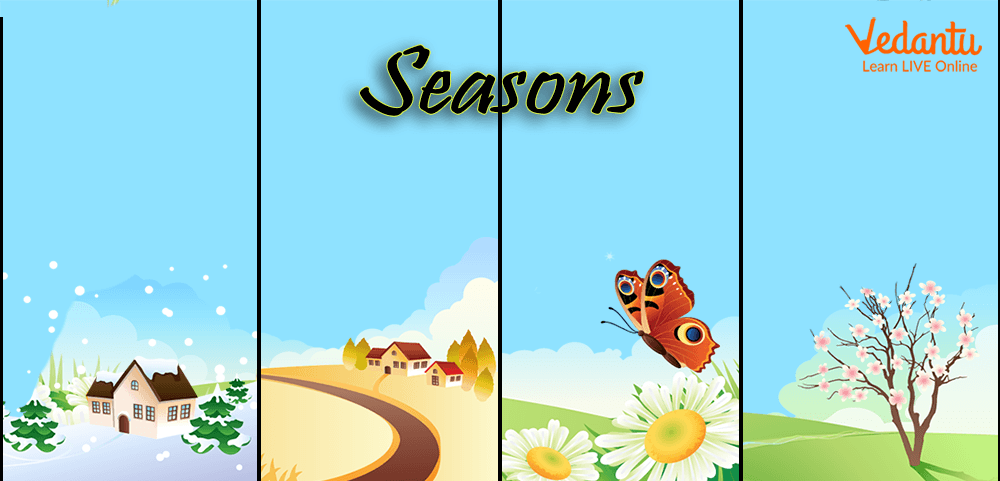
The Four Seasons for Kids
What Causes the Four Seasons of the Year?
Over the course of a year, the Earth travels around the Sun. The Earth is tilted during its voyage around the Sun, which is why we have seasons. The tilt of the Earth impacts the quantity of daylight that each hemisphere receives, causing the temperature to rise or fall periodically.
Winter, for example, occurs in December, January, and February if you live in the Northern Hemisphere — that is, in the north of the equator, such as in Europe, the United States, or India. The Northern Hemisphere is tilted away from the Sun during this time, and the days are shorter and colder. Whereas, it is the opposite in the Southern Hemisphere.
The easiest approach to understand this is to teach your children the features of each season so that they can distinguish between them easily.
The Four Seasons for Kids
Spring
The daylight hours become longer in the spring, the sun shines a little brighter, and the flowers flourish! Also, the weather begins to cool, and it may be windy and rainy at times.
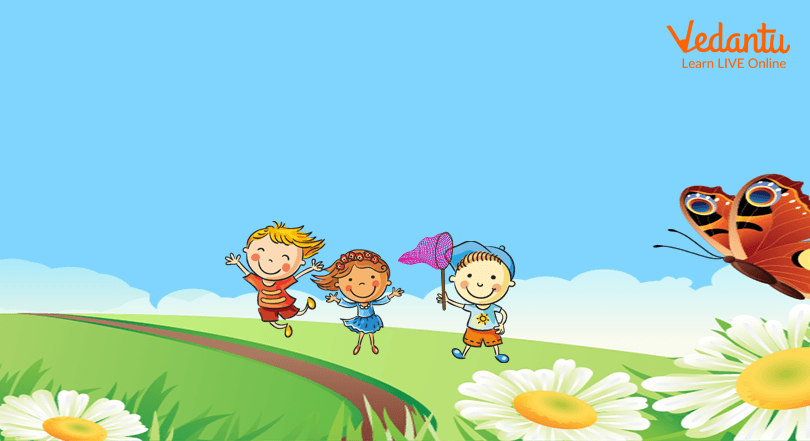
Kids Playing in the Spring Season and Catching Butterflies
Summer
The hottest season of the year is summer. In a clear sky, the sun shines brilliantly and the days are longer. The trees are covered in leaves at this time of year. The weather is nice and the days are sunny, so it's certainly the best time to go to the beach!
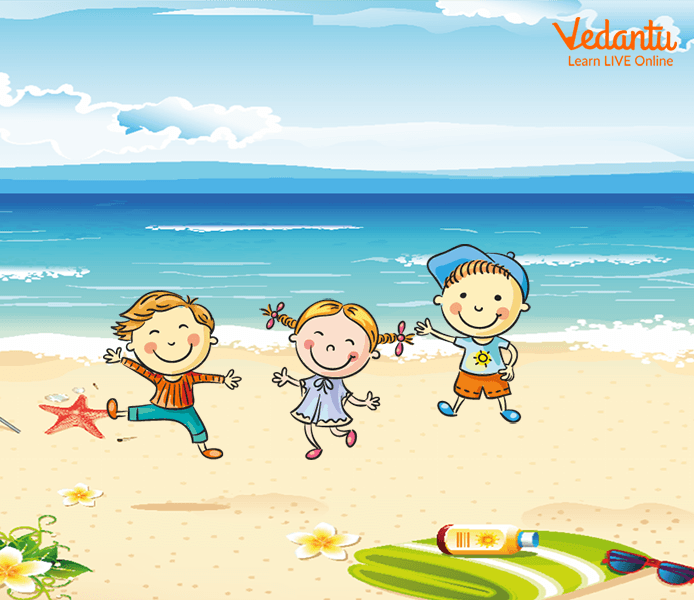
Kids Enjoying in Summer Season at Beach
Autumn or Fall
When autumn arrives, the days become shorter, the leaves on the trees begin to fall, and piles of leaves litter the ground. In addition, the temperatures begin to drop, and it starts getting a bit colder every day. Autumn is known as the harvest season in several regions of the world because this is when most crops are ready to be harvested.
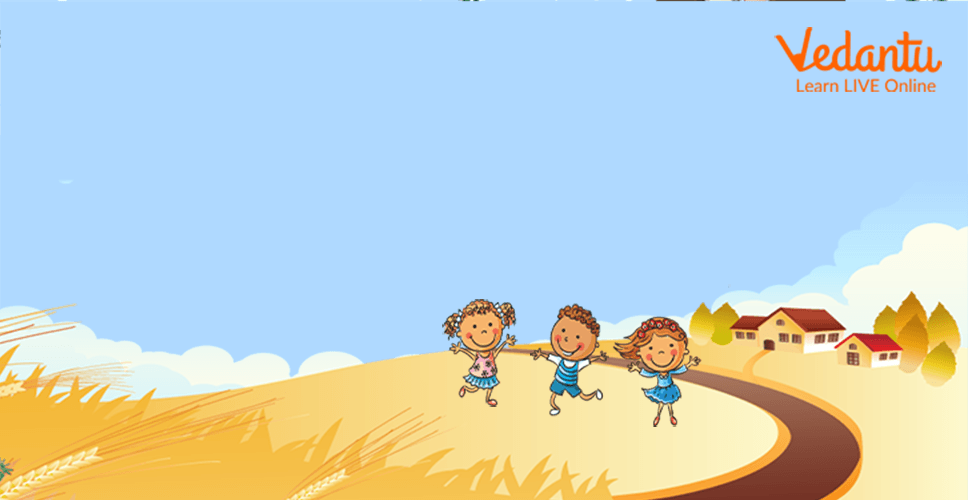
Kids Playing in the Autumn Season
Winter
It is the most bitterly chilly time of the year! The nights are long and the days are brief. It generally snows in some regions, while it is the rainy season in others. The cold season, commonly known as the winter, is the ideal time to practise snowboarding and skiing.

Kids Playing with Snow in the Winter Season
Conclusion
We hope you now have a clear understanding of what the four seasons are and what changes in the weather can be observed during each of these seasons. We have also tried to mention at least one special feature of each season. As an activity, try to find out about a few special celebrations or festivals that occur during these seasons and write them down in your notebook.
FAQs on Seasons Of The Year Explained For Students
1. What are the four seasons of the year?
The four seasons of the year are spring, summer, autumn (fall), and winter. These seasons divide the year based on changes in weather, temperature, and daylight.
- Spring: Warmer weather and blooming flowers
- Summer: Hottest season with long days
- Autumn/Fall: Cooler weather and falling leaves
- Winter: Coldest season, often with snow
2. Why do we have seasons on Earth?
We have seasons because the Earth is tilted on its axis as it revolves around the Sun. This tilt causes different parts of the Earth to receive varying amounts of sunlight during the year.
- When a hemisphere tilts toward the Sun, it experiences summer.
- When it tilts away from the Sun, it experiences winter.
- Spring and autumn occur during the transition periods.
3. What is the difference between autumn and fall?
There is no difference in meaning between autumn and fall; both refer to the same season between summer and winter. The difference is mainly in usage.
- Autumn is more commonly used in British English.
- Fall is more commonly used in American English.
4. How do you spell the names of the seasons correctly?
The correct spellings of the seasons are spring, summer, autumn, and winter. These are common English vocabulary words.
- Spring (not “sprng”)
- Summer (double m)
- Autumn (silent n at the end)
- Winter (with t before e)
5. Are seasons capitalized in English?
Seasons are not capitalized in English unless they start a sentence or are part of a proper noun. The words spring, summer, autumn, and winter are common nouns.
- Correct: "I love winter."
- Correct: "Winter is my favorite season."
- Correct (proper noun): "Winter Olympics"
6. How can you use the seasons in a sentence?
You can use the seasons as common nouns to describe time, weather, or activities. The season name usually follows prepositions like in.
- "Flowers bloom in spring."
- "We go to the beach in summer."
- "Leaves fall in autumn."
- "It often snows in winter."
7. What are some common adjectives used to describe each season?
Common adjectives describe the typical weather and atmosphere of each season. These seasonal adjectives enrich English vocabulary and creative writing.
- Spring: warm, rainy, fresh, colorful
- Summer: hot, sunny, bright, humid
- Autumn/Fall: cool, windy, dry, golden
- Winter: cold, snowy, frosty, chilly
8. What are the months of each season?
The months of each season vary slightly by hemisphere, but in the Northern Hemisphere they are grouped as follows:
- Spring: March, April, May
- Summer: June, July, August
- Autumn/Fall: September, October, November
- Winter: December, January, February
9. What is a seasonal change?
A seasonal change is a noticeable shift in weather, temperature, and daylight that happens as one season moves to another. These changes affect nature, clothing, and daily activities.
- Temperature becomes warmer or colder
- Days become longer or shorter
- Plants and animals adjust to new conditions
10. Why are seasons important in literature and writing?
Seasons are important in literature because they often act as symbols or settings that reflect mood, time, or character development. Writers use seasons to create atmosphere and meaning.
- Spring can symbolize new beginnings.
- Summer may represent happiness or growth.
- Autumn often suggests change or maturity.
- Winter can symbolize hardship or endings.
