



Introduction to World Population Day 2026
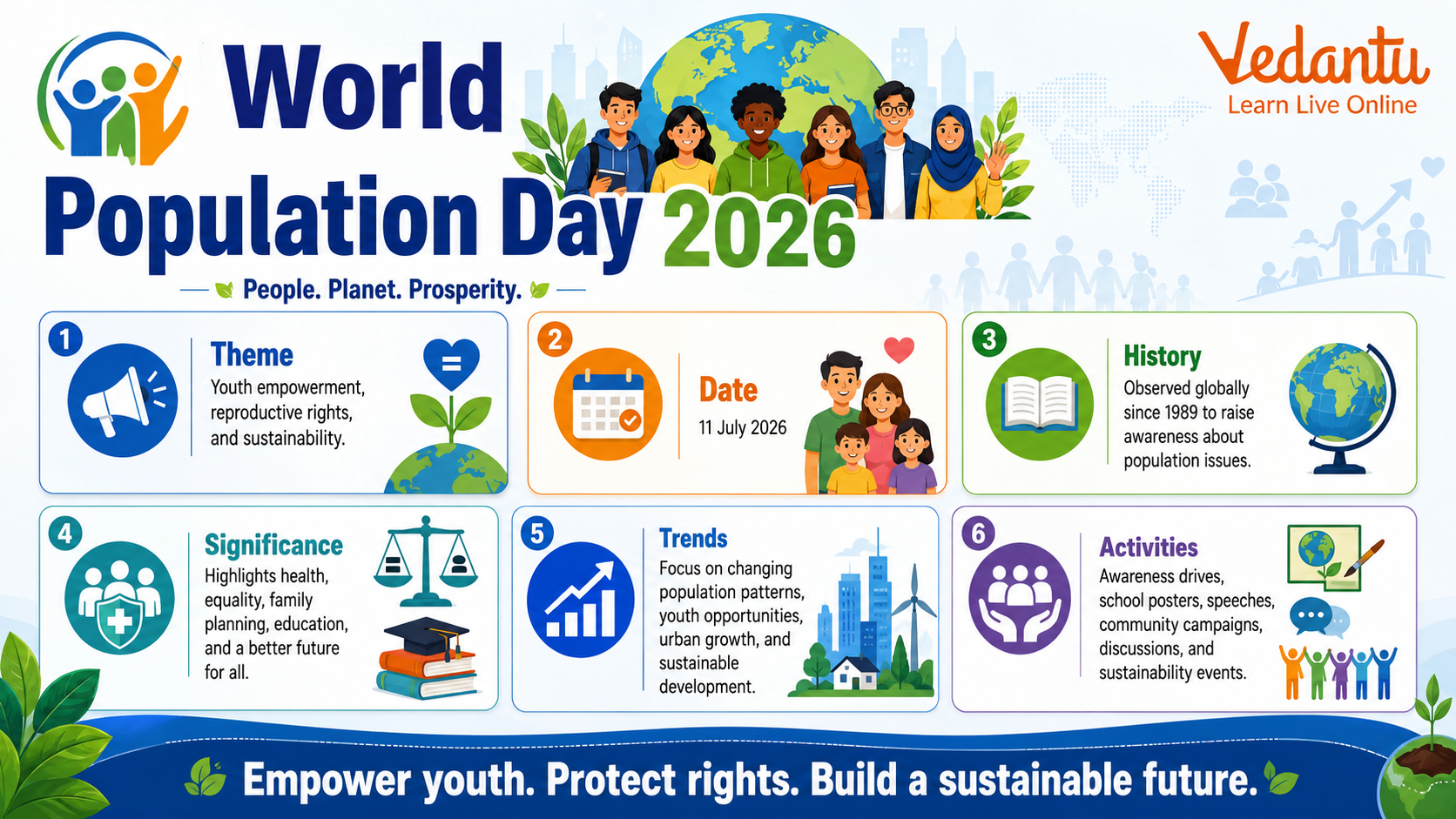
World Population Day is observed globally on July 11 every year to raise awareness about urgent population-related issues. Established by the United Nations in 1989, the day emphasises reproductive health, family planning, gender equality, and sustainable development. The observance was inspired by the “Five Billion Day” on July 11, 1987, marking the world population reaching 5 billion. In 2026, World Population Day continues to highlight the importance of informed choices and youth empowerment in shaping global demographic trends.
History of World Population Day
The idea of World Population Day arose to focus on the challenges and opportunities posed by population growth. From the world reaching 7 billion in 2011 to surpassing 8 billion in late 2022, the day reminds us of the significant implications of population dynamics for resources, health, and economic development. The World Population Day 2026 theme focuses on empowering young people to create the families they want while ensuring sustainability and equality.
Significance and Global Relevance
World Population Day is more than just an observance; it serves as a global call to action:
Encourages governments, communities, and individuals to address population growth responsibly.
Highlights the role of youth in shaping future demographic trends.
Promotes awareness about gender equality, reproductive rights, and access to healthcare.
Shows how population trends affect urbanisation, employment, poverty, and resource distribution.
World Population Trends
Understanding population trends is crucial for sustainable development:
The global population grew from 1 billion to almost 7.9 billion today, with projections reaching 8.5 billion by 2030.
Fertility rates have dropped from 4.5 children per woman in the 1970s to below 2.5 by 2015.
Life expectancy increased from 64.6 years (1990s) to 72.6 years (2019).
Urbanisation continues to rise, with about 66% of the global population expected to live in cities by 2050.
Activities and How to Participate
You can contribute to World Population Day 2026 through various awareness and educational activities:
1. Educational Campaigns - Conduct seminars and workshops in schools and colleges on family planning and reproductive health.
2. Community Engagement - Organize events highlighting population trends and sustainable development.
3. Creative Posters and Drawings - Encourage students to make World Population Day posters, handmade posters on World Population Day, or World Population Day drawings showcasing the theme and importance of population awareness.
4. Social Media Awareness - Share information, infographics, and videos on population issues using official hashtags.
5. Youth Empowerment Initiatives - Support programs that educate and empower youth to make informed family planning decisions.
World Population Day 2026 Theme
The World Population Day theme 2026 emphasises youth empowerment, reproductive rights, and sustainability. Schools and organisations can use this theme for their campaigns, poster-making competitions, or awareness rallies.
Conclusion
World Population Day 2026 is a crucial observance to understand and address global population challenges. By celebrating this day with awareness campaigns, educational programs, and creative initiatives like posters and drawings, individuals, students, and organisations can contribute to a sustainable future. Observing World Population Day encourages responsible family planning, youth empowerment, and sustainable development, ensuring that future generations inherit a balanced and equitable world.
FAQs on World Population Day 2026: Awareness, Theme & Activities
1. When is World Population Day celebrated?
World Population Day is celebrated every year on July 11.
2. What is the significance of World Population Day 2026?
It raises awareness about population growth, reproductive health, and the importance of empowering youth to make informed family planning choices.
3. What can I include in a World Population Day poster or drawing?
Highlight themes like population awareness, sustainability, reproductive health, and youth empowerment. Include creative slogans and statistics to make it informative and engaging.
4. How can youth participate in World Population Day?
Participate in awareness campaigns, poster competitions, community drives, and educational seminars to spread knowledge about population trends and sustainability.
5. Why is World Population Day important globally?
Population trends affect economic development, healthcare access, urbanization, environmental sustainability, and social equity. The day promotes action and education on these issues.



