



Muharram 2026: History, and How to Observe It?
Muharram 2026 marks the start of the Islamic calendar year 1448 AH and is one of the four sacred months in the Muharram Islamic calendar. Known for its deep spiritual and historical significance, Muharram serves as a time for reflection, devotion, fasting, charity, and remembrance of key events in Islamic history, especially the martyrdom of Imam Hussain (AS) at Karbala.
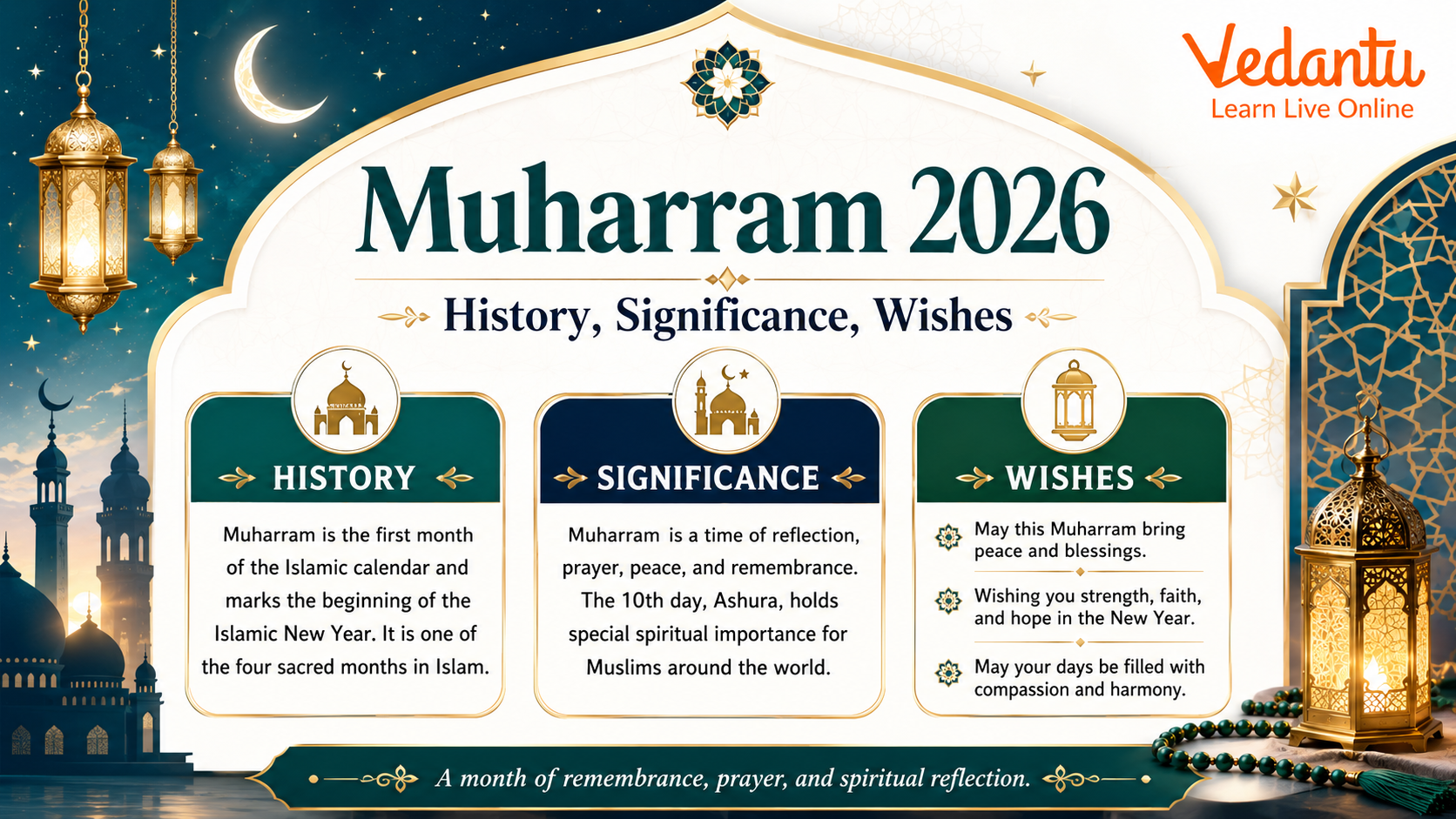
Muharram 2026 Date & Key Observances
Muharram Holiday 2026:
The 10th Muharram 2026, also known as Ashura, is a gazetted holiday in many regions. Government offices, banks, and educational institutions may remain closed, with large processions in Muslim-majority areas.
Muharram Significance
Sacred Month: Muharram is among the four sacred months ordained by Allah, where fighting is prohibited and good deeds are multiplied.
Historical Importance:
Marks the Hijrah (migration) of Prophet Muhammad (PBUH) from Makkah to Madinah in 622 CE.
Commemorates the Battle of Karbala (680 AD) and the bravery of Imam Hussain (AS).
Spiritual Importance: Muslims reflect on faith, justice, and sacrifice. Voluntary fasting, Qur’an recitation, and Sadaqah are recommended.
Islamic New Year 2026: 1st Muharram 2026 signifies a fresh start, offering the opportunity to make resolutions and seek Allah's blessings.
How Muharram is Observed?
Fasting:
Recommended on 9th, 10th, and 11th Muharram. Fasting expiates sins and follows the Sunnah of Prophet Muhammad (PBUH).
Prayer & Qur’an Recitation:
Participate in Nafl prayers and recite the Qur’an to gain spiritual rewards.
Charity (Sadaqah):
Regular acts of charity during Muharram multiply blessings throughout the year.
Processions & Mourning:
Shia Muslims hold Ashura processions, wearing black, walking barefoot, and reciting elegies.
Reflection & Family Time:
Spend time reflecting on Islamic history, justice, and moral values.
Regions in India with Prominent Observances:
Karnataka, Kerala, Andhra Pradesh: Known for grand Muharram processions and religious gatherings.
Historical Context
Hijrah & Islamic New Year: Marks the migration of Prophet Muhammad (PBUH) to Madinah.
Battle of Karbala: The 10th day of Muharram (Ashura) commemorates the martyrdom of Imam Hussain (AS) and his companions.
Sunnah of Fasting: Recommended fasting as taught by Prophet Muhammad (PBUH), distinguishing the Islamic New Year from other sacred months.
Recommended Practices During Muharram
Fasting on 9th, 10th, 11th Muharram (Ashura-related fasts)
Reading the Qur’an and engaging in Dhikr
Giving Sadaqah Jariyah or voluntary charity
Reflecting on past deeds and setting intentions for the new Islamic year
Observing processions and community prayers responsibly
Beautiful Islamic New Year Wishes & Greetings
“May Allah bless you with peace, happiness, and success on this Muharram 2026. Happy Islamic New Year!”
“Wishing you and your family a blessed Muharram 2026 filled with forgiveness, love, and prosperity.”
“On 1st Muharram 2026, may Allah accept your prayers and grant you joy in the new Islamic year.”
“Reflect, forgive, and start anew. Have a peaceful and blessed Islamic New Year 2026.”
“Remember the sacrifices of Ashura and embrace the blessings of Muharram 2026.”
Conclusion
Muharram 2026 is a sacred and historic month for Muslims worldwide, symbolizing reflection, devotion, and moral renewal. From 1st Muharram 2026 marking the Islamic New Year to Day of Ashura 2026 commemorating the sacrifices of Imam Hussain (AS), this period encourages fasting, charity, prayer, and remembrance of Islamic history. Whether observing the Muharram holiday 2026 or sending beautiful Islamic New Year wishes, this month provides an opportunity for spiritual growth, reflection, and starting anew with faith and purpose.
Celebrate Muharram 2026 with devotion, awareness, and adherence to Islamic teachings, and embrace the blessings of the sacred month for yourself, family, and community.
FAQs on Muharram 2026 - Islamic New Year Observances, Significance & Holiday
1. What is Muharram?
Muharram is the first month of the Islamic calendar, marking the start of the Islamic New Year and one of the four sacred months.
2. When is Muharram 2026?
Muharram 2026 begins on Tuesday, 16 June 2026, with the Day of Ashura 2026 on Thursday, 25 June 2026.
3. What is the significance of Muharram?
Muharram signifies reflection, sacrifice, and devotion. It commemorates the Hijrah of Prophet Muhammad (PBUH) and the martyrdom of Imam Hussain (AS).
4. What is the Day of Ashura?
The 10th day of Muharram, known as Ashura, marks the martyrdom of Imam Hussain (AS) at Karbala and the liberation of Prophet Musa (AS) from Pharaoh.
5. How is Muharram celebrated in India?
Prominent celebrations occur in Karnataka, Kerala, and Andhra Pradesh, including processions, prayers, fasting, and charity activities.
6. What are recommended practices during Muharram 2026?
Fasting, Qur’an recitation, voluntary prayers, giving Sadaqah, and reflecting on one’s deeds are key practices.
7. Why is Muharram considered sacred?
Muharram is one of the four sacred months in Islam. Fighting is prohibited, and good deeds are multiplied, making it highly spiritual.
8. Is Muharram a public holiday in India?
Yes, Muharram 2026 holiday is observed as a gazetted holiday, especially on the 10th day (Ashura). Banks, government offices, and educational institutions may close.



